




Building ADUs in Sacramento — The Local Homeowner's Guide for 2026
Sacramento has quietly become one of the most active ADU markets in California. Property values have held; rents have stayed strong; the state laws have stripped most of the bureaucratic friction out of permitting; and homeowners who once shrugged off the idea of a backyard build are now realising that an ADU is one of the most predictable investments a Sacramento-area homeowner can make. This guide is the conversation we'd have with you at the kitchen table — what's actually involved, what it really costs, and what to watch out for in our specific market.
Why Sacramento is one of California's best ADU markets
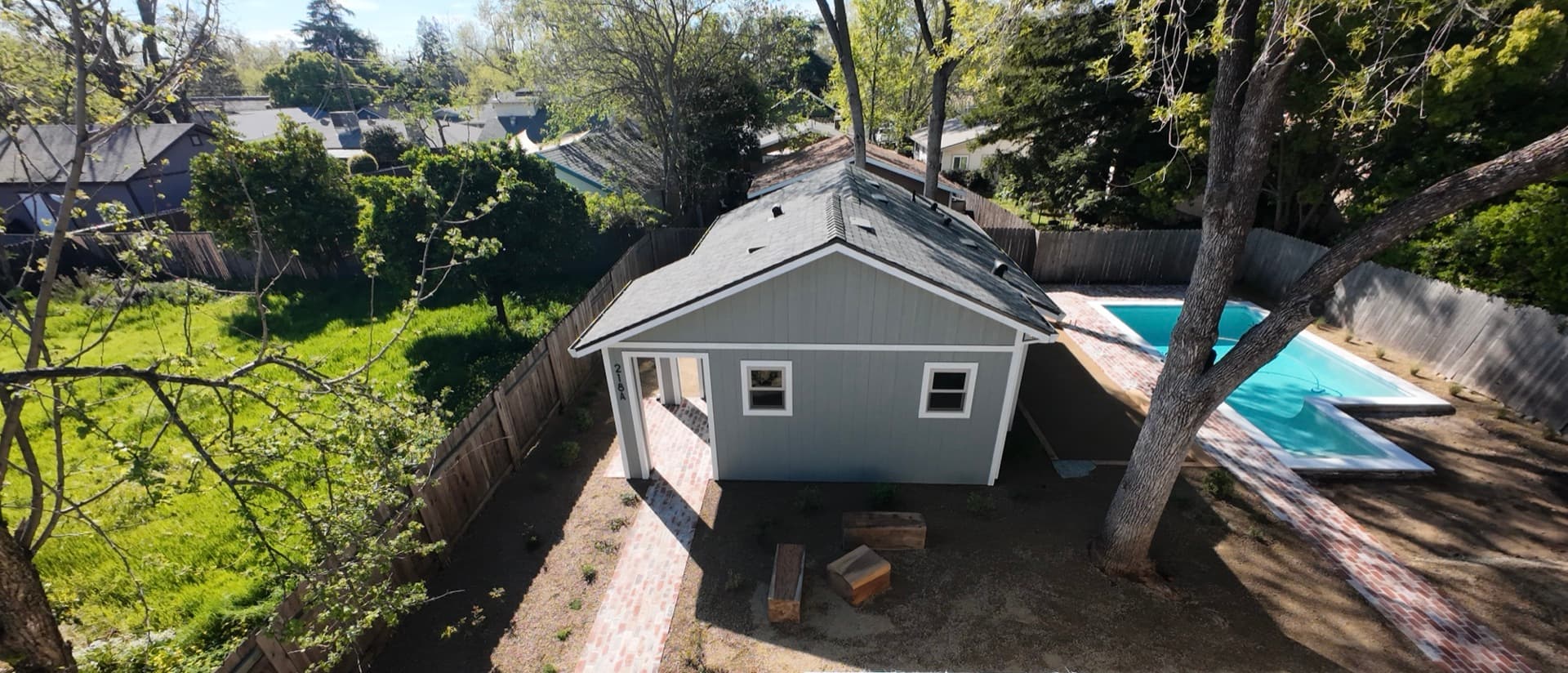
Three things make the Sacramento metro one of the most consistent ADU markets in the state. First, land. Compared to the Bay Area, our lots are larger — the average single-family parcel in Sacramento County is over a third of an acre, and most have enough rear-yard depth to accommodate a 600–1,000 sq ft detached structure without violating setbacks. Second, demand. UC Davis, Sac State, Kaiser, Sutter, the state government workforce, and the steady stream of remote workers leaving the Bay Area all create rental demand for the kind of small, well-built, walkable-to-neighborhood units a detached ADU produces. Third, regulation. The City of Sacramento and Sacramento County have both been relatively quick to align with the post-2020 California ADU statutes, which means the discretionary review battles that still plague some Southern California cities are largely behind us here.
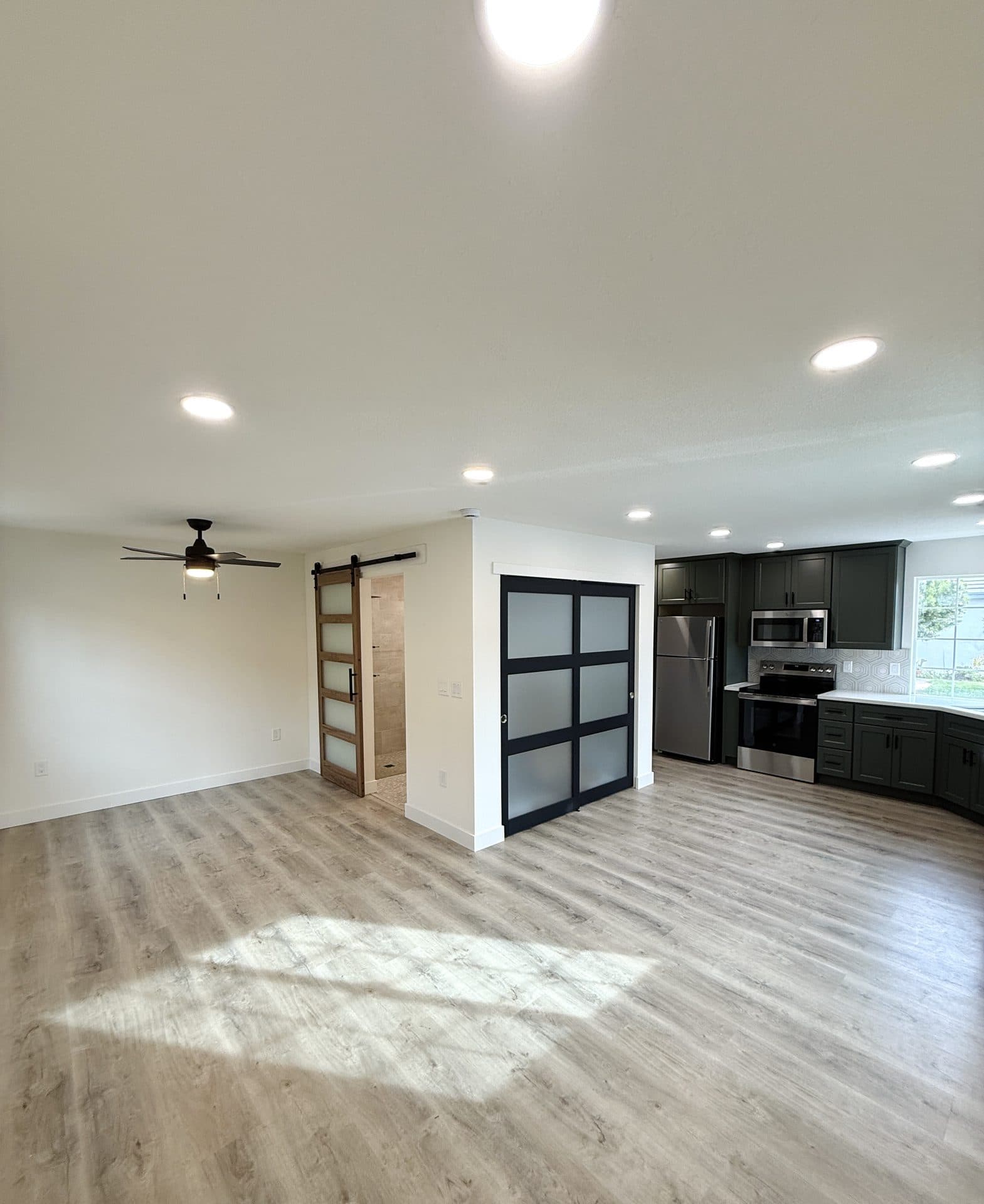
What that translates to for a homeowner: you can build an ADU on most single-family lots in the metro, you can rent it (long-term anywhere; short-term with a permit in many zones), and the appraised value typically lands at 60–80% of build cost on day one. Rents on a well-finished 600 sq ft one-bedroom run $1,750–$2,200 in 2024–2025 across the metro, and a two-bedroom can clear $2,400. The math, in other words, works — which is why we've been building more ADUs every year and why this guide exists at all.