

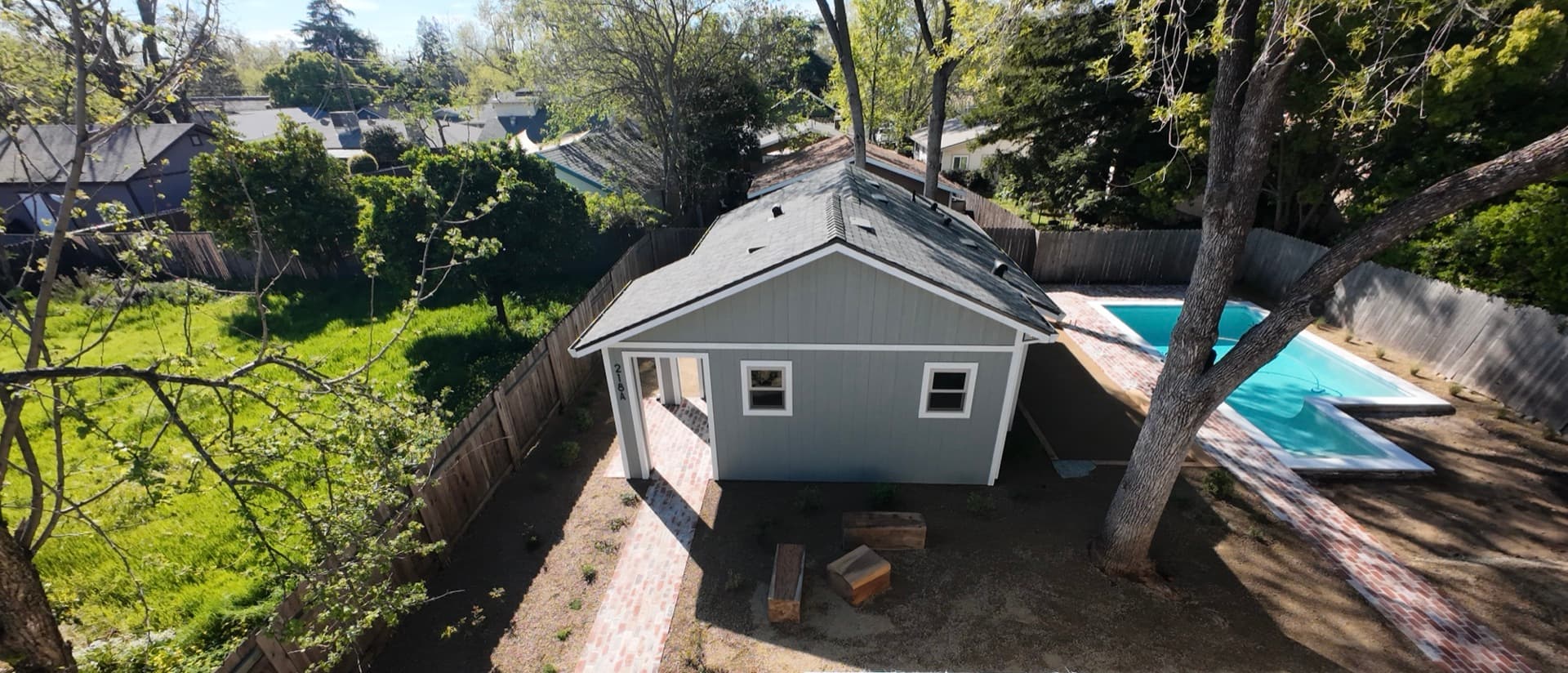



Building an ADU in Shingle Springs: what foothill acreage, septic, and a county permit really take
Shingle Springs reads like quiet foothill country, and it builds like it. There's no city counter — your ADU goes to El Dorado County in Placerville. Most of the town is half-acre to five-acre parcels on septic and sometimes a well, much of it sits in a fire hazard zone with 7A rules, and a few lots carry serpentine soils with naturally occurring asbestos. We're a Sacramento design-build crew, and Shingle Springs is a Highway 50 run east we make most weeks. Here's the honest version of how a build goes.
Acreage and the Ponderosa Road village core
People picture Shingle Springs as one thing and it's really two. There's the older village core near Ponderosa Road, the Highway 50 interchange, and the park-and-ride — smaller, already-developed lots, 1970s and '80s ranch homes, most on septic. Then there's everything else, the majority: half-acre to five-acre parcels up French Creek Road, Mother Lode Drive, and out toward Buckeye and Greenstone, under blue oak and gray pine.
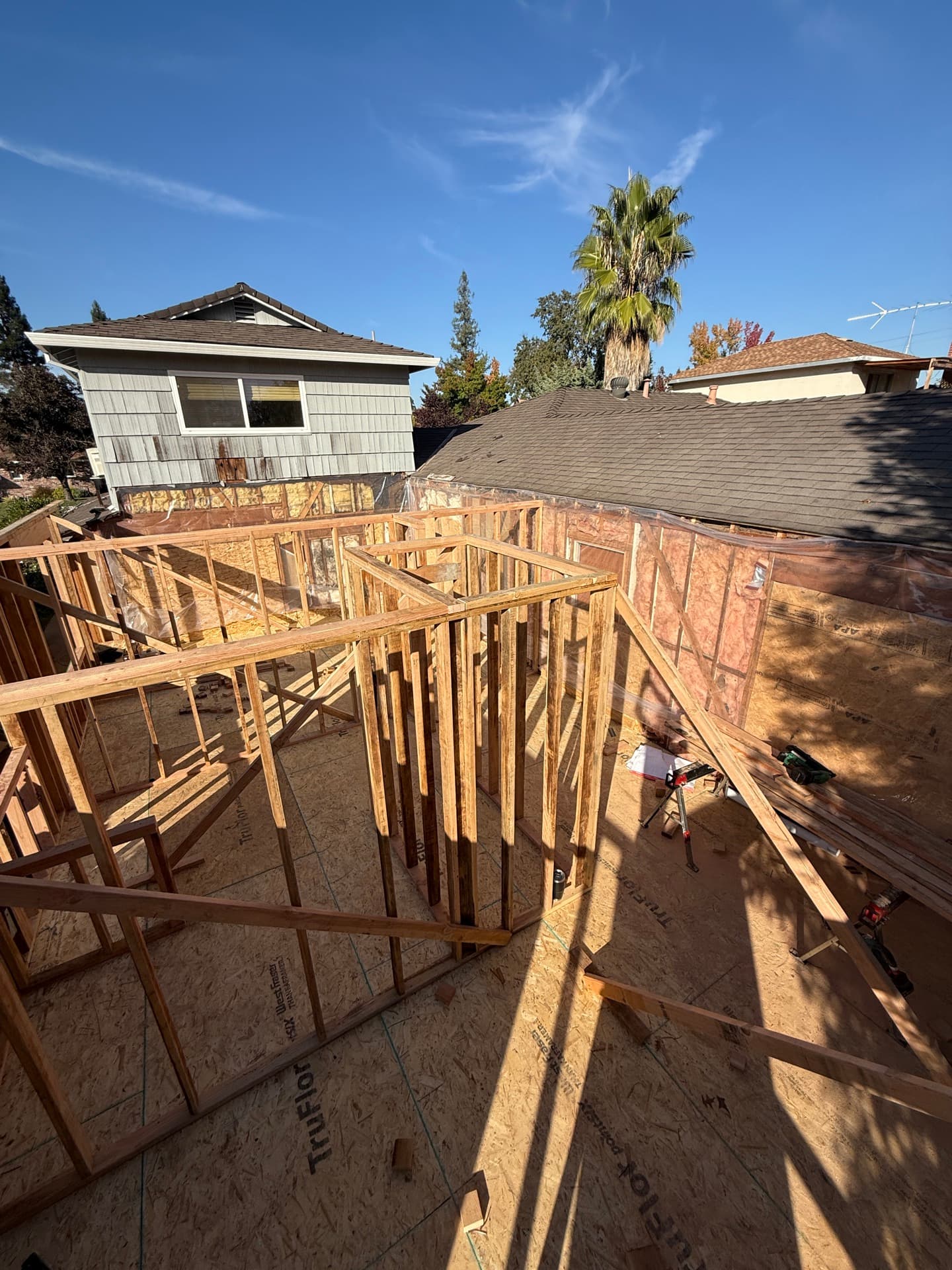
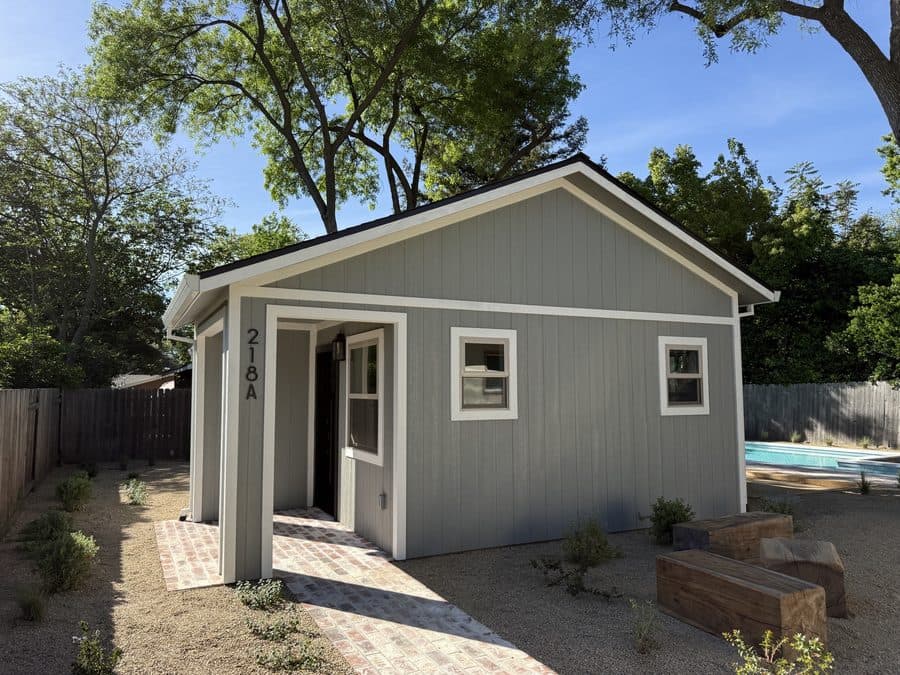
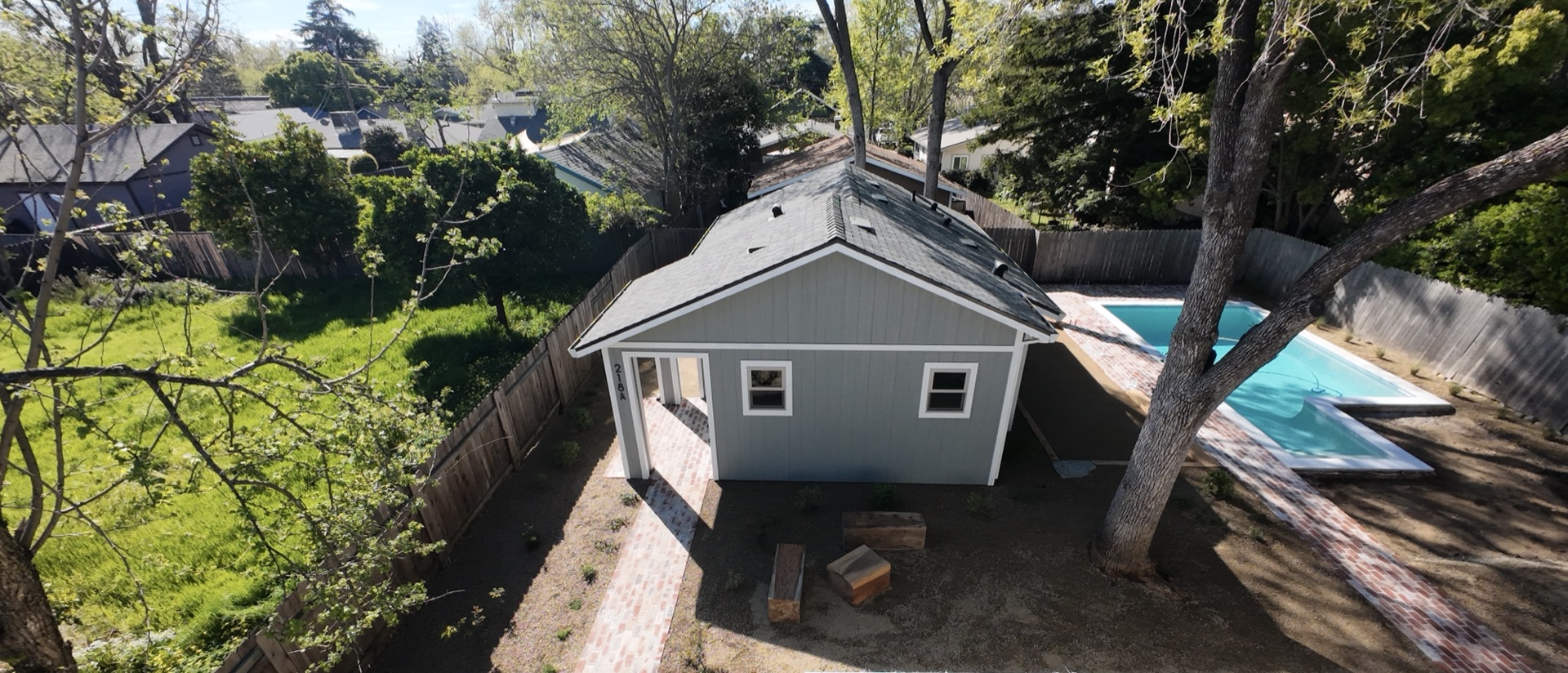
That acreage is the whole appeal and the whole complication. A freestanding ADU can usually go almost anywhere on a three-acre lot, which is a luxury you don't get on a Folsom tract. But the same acreage brings grade, seasonal drainages, long utility runs, a septic system instead of sewer, and frequently a private well. So we walk the parcel before we draw a line. Where does the unit sit relative to the leach field and the well setback? How far does power and water have to run? Those answers vary wildly from one lot to the next, and they drive the budget more than the square footage does.