




Attached ADU Construction in Sacramento — When It's the Smarter Build
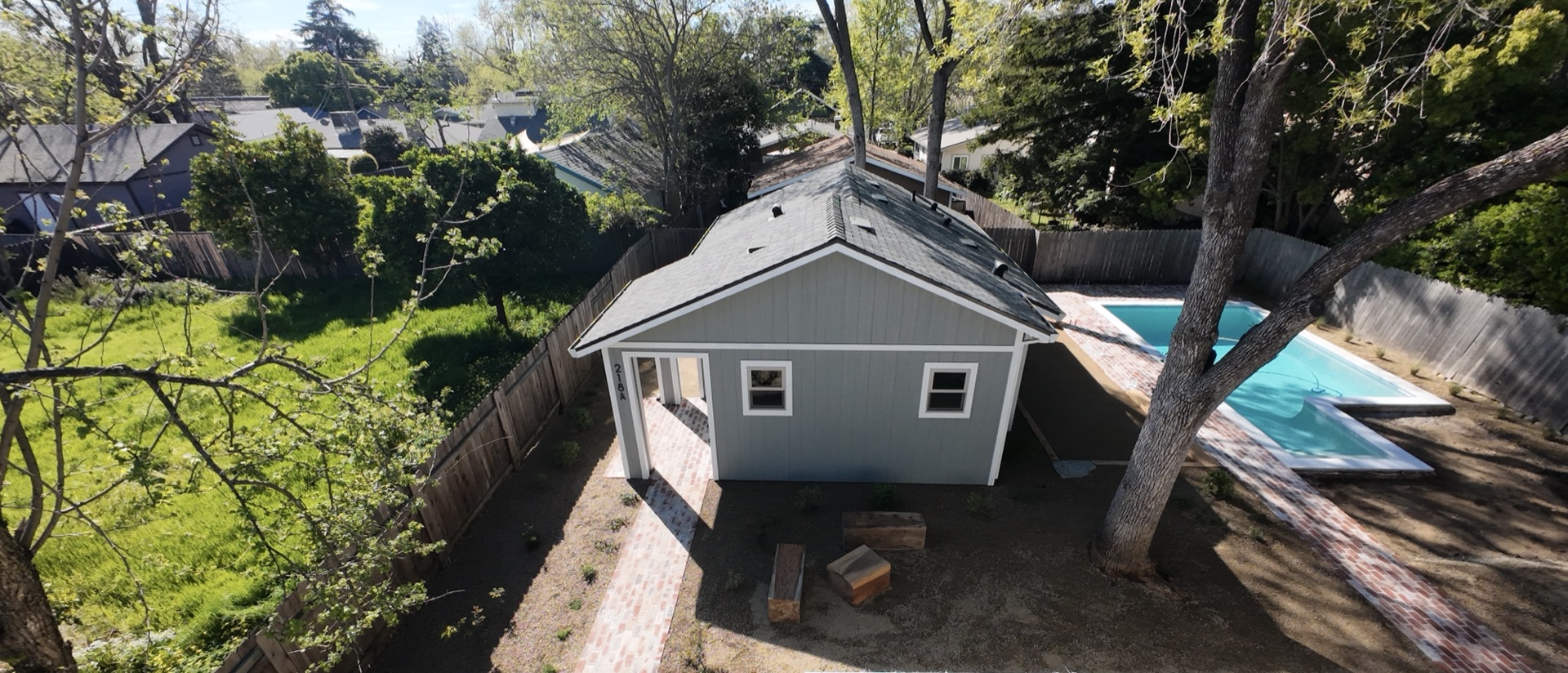
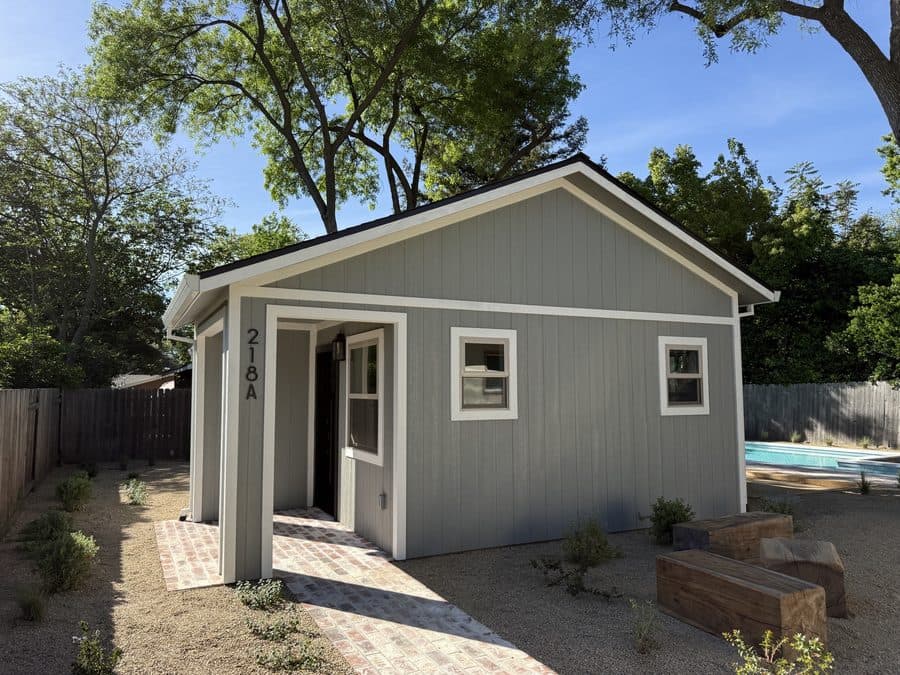
Attached ADUs don't get the same marketing attention as detached units, but on the right lot and budget they're often the better build. Sharing a wall with the main home cuts foundation and shell costs, simplifies permitting, and produces a unit that integrates visually with the existing property. This guide covers when an attached ADU makes sense, what it actually costs, and where it differs from a detached build.
What "attached" actually means under California law
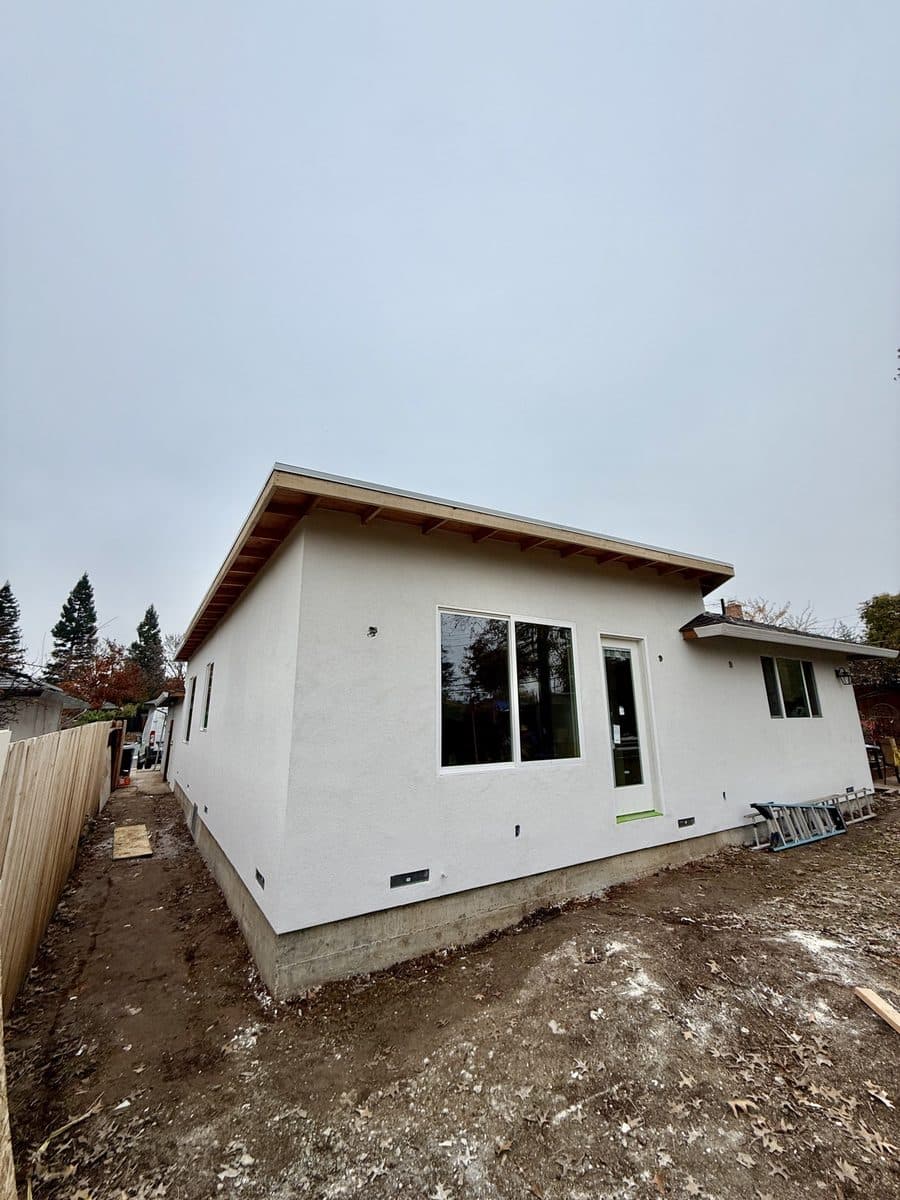
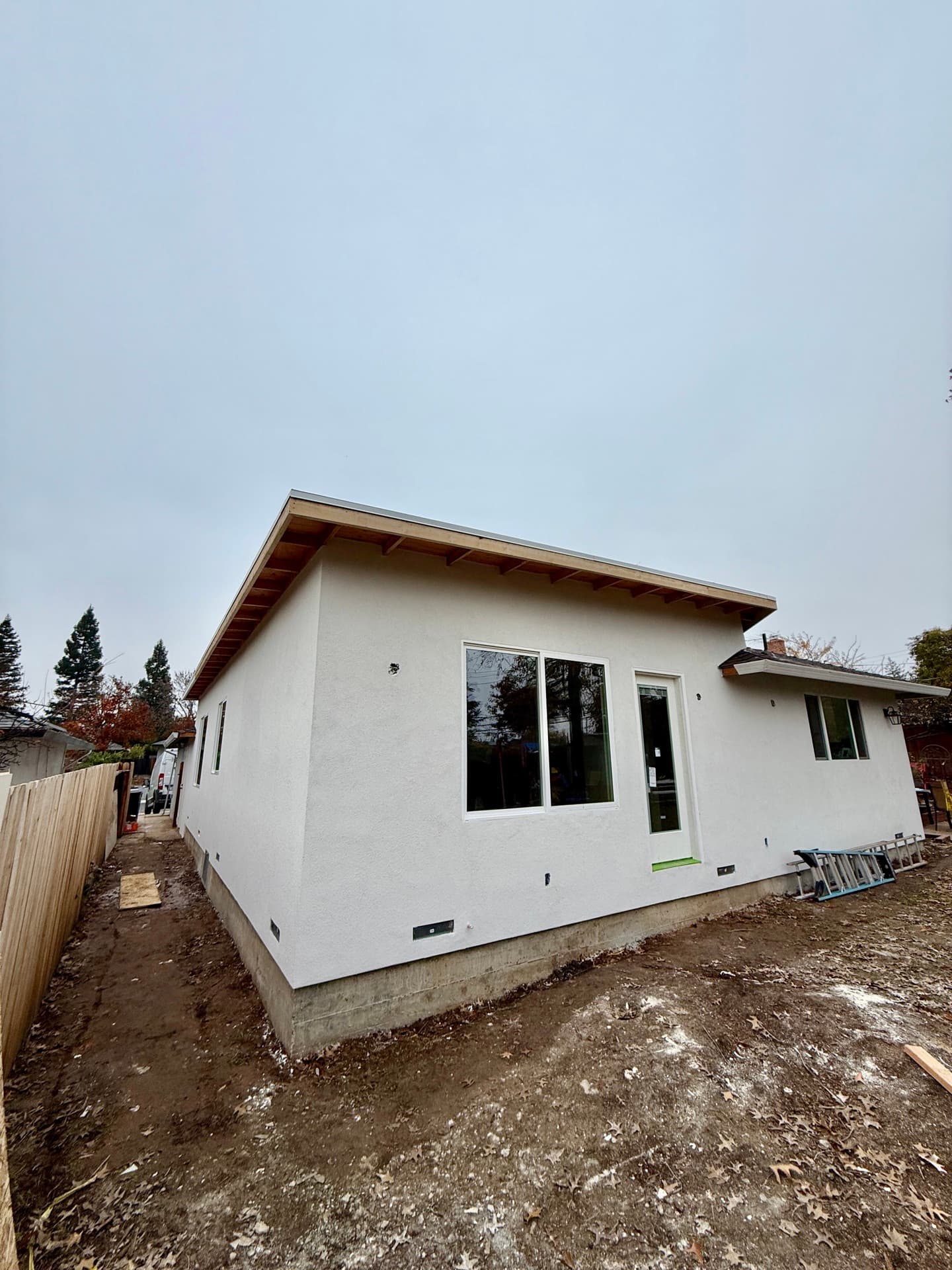
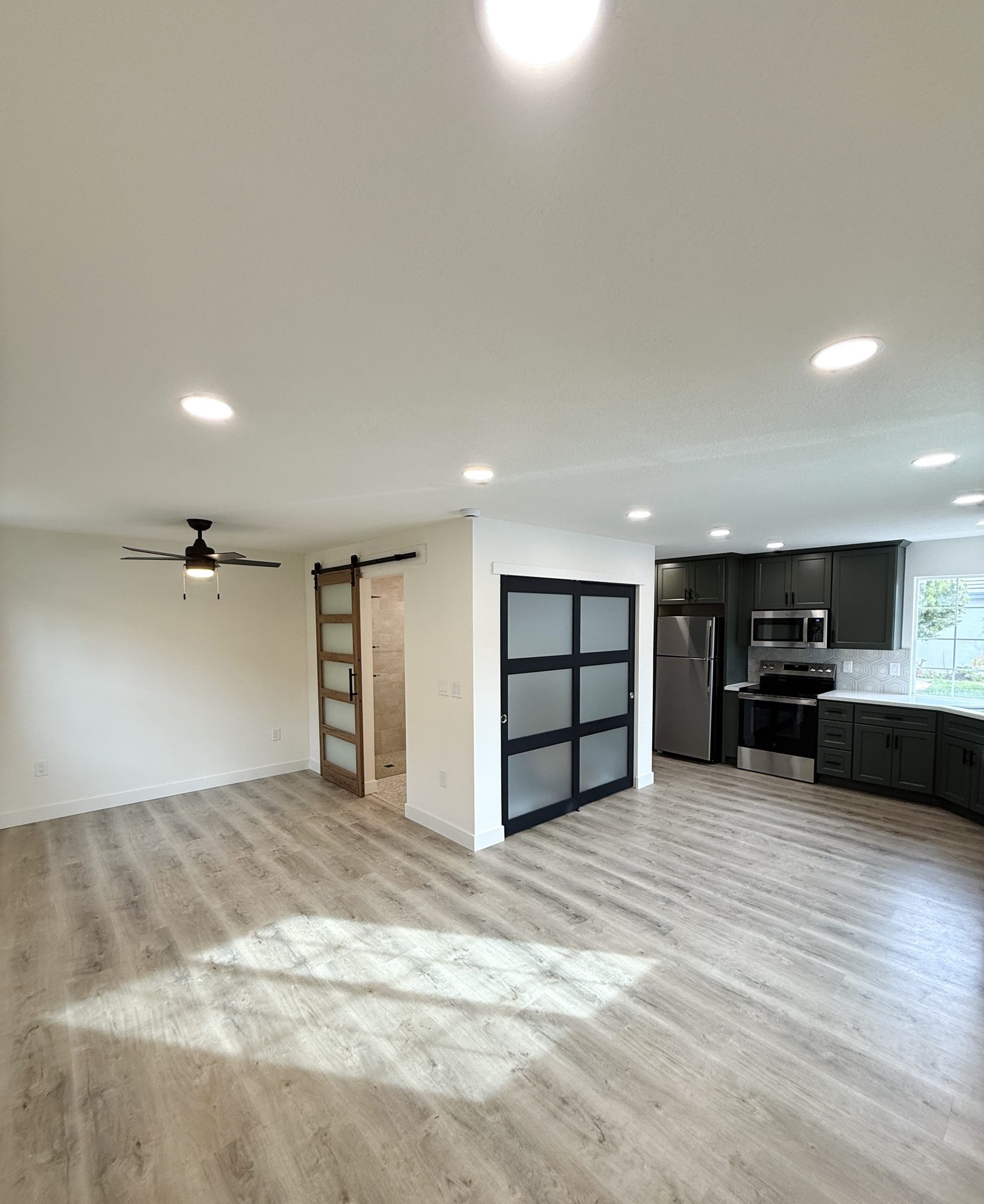
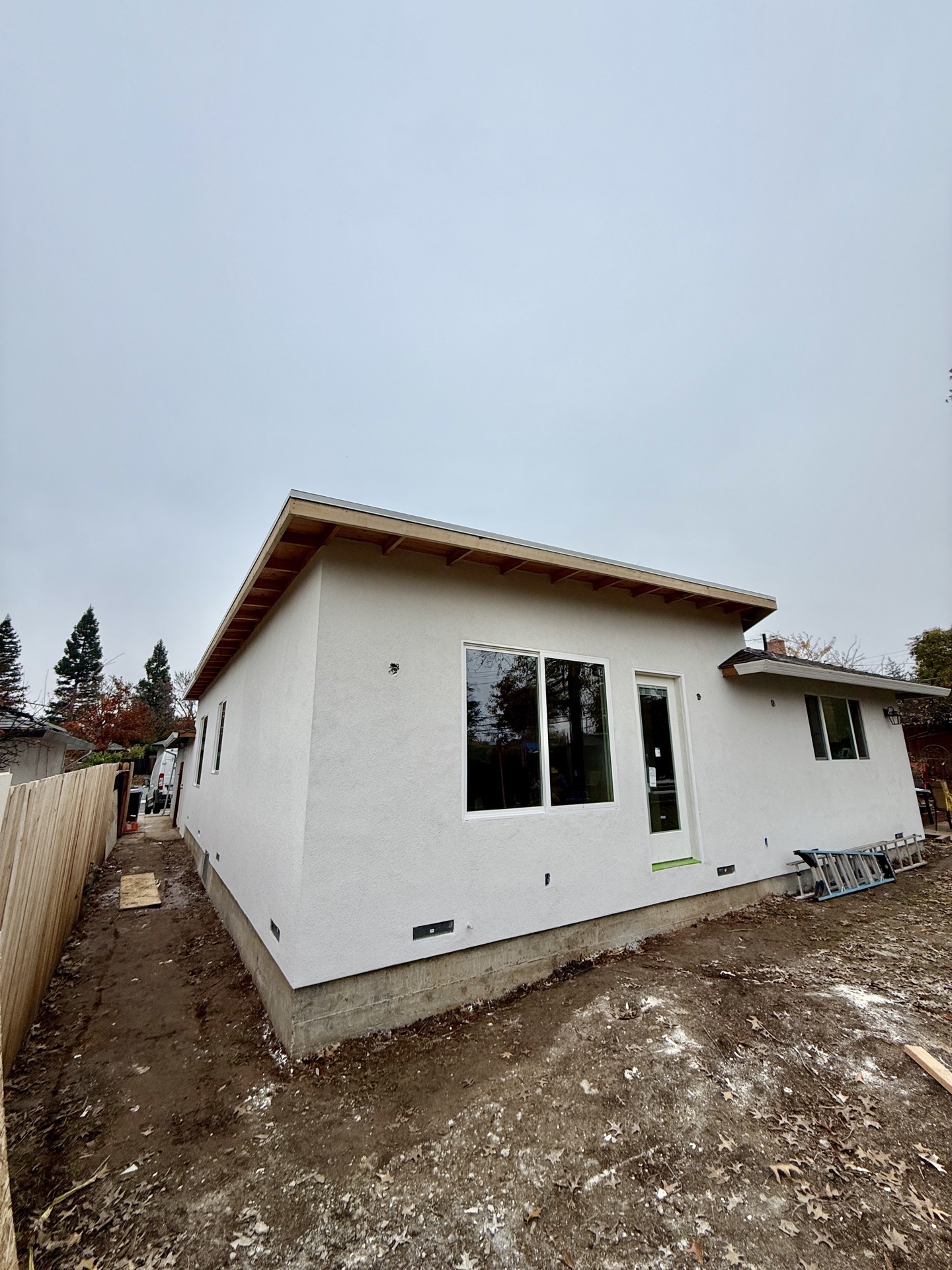
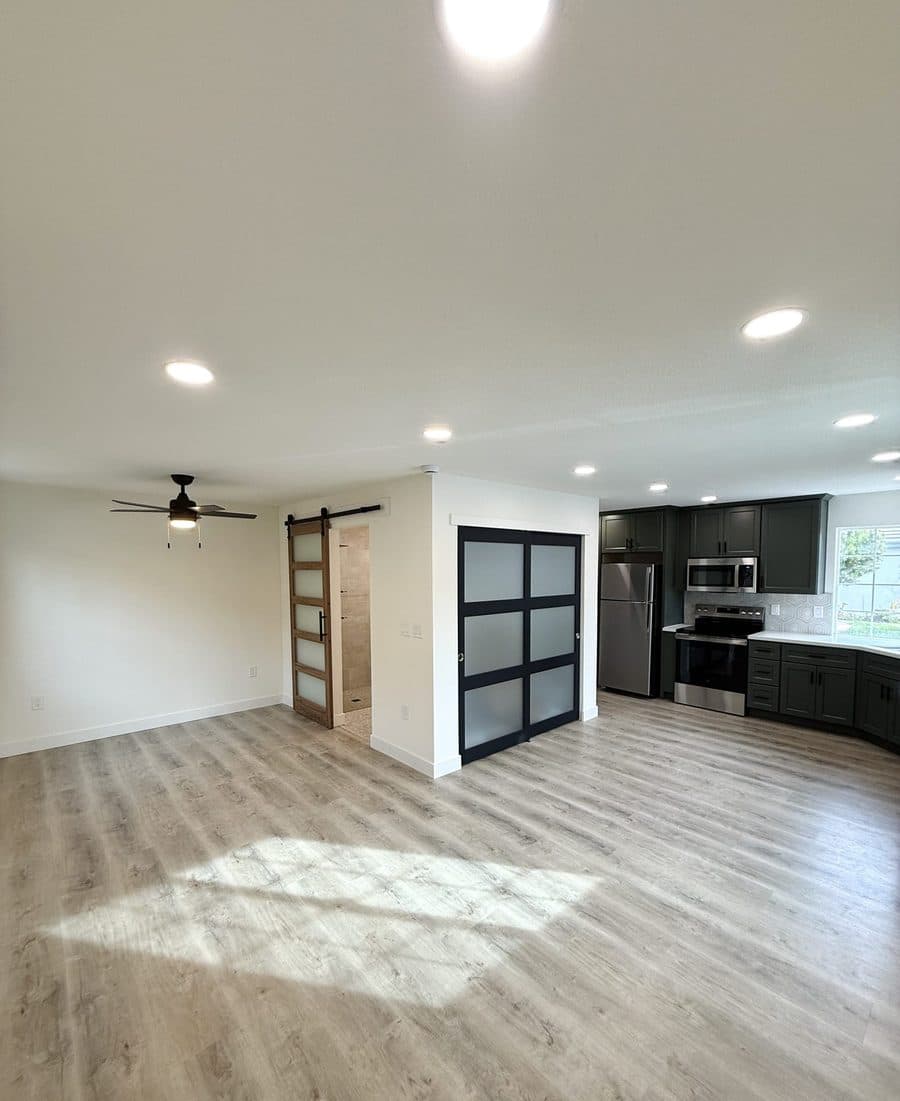
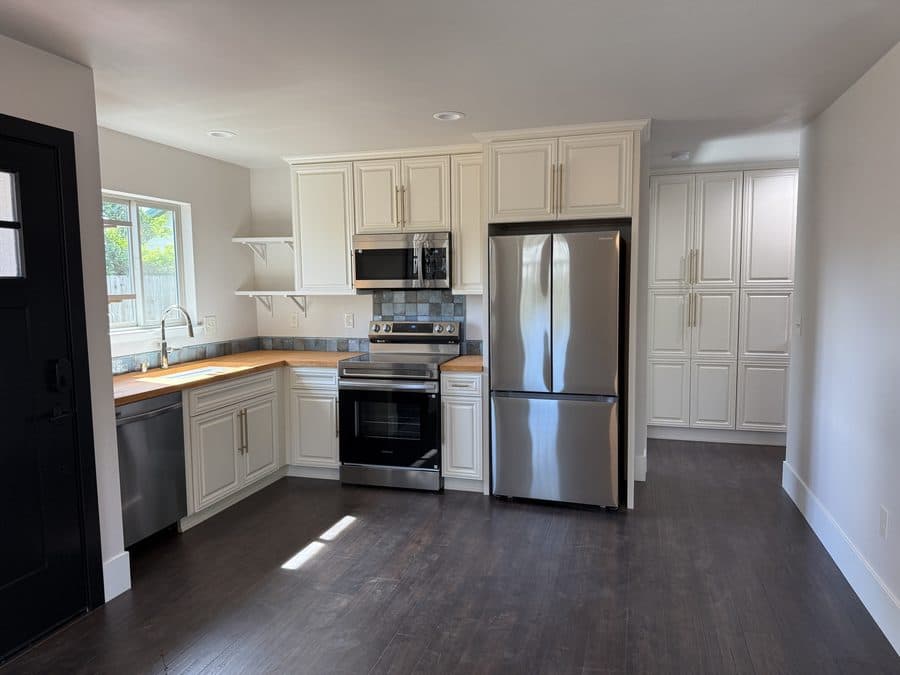
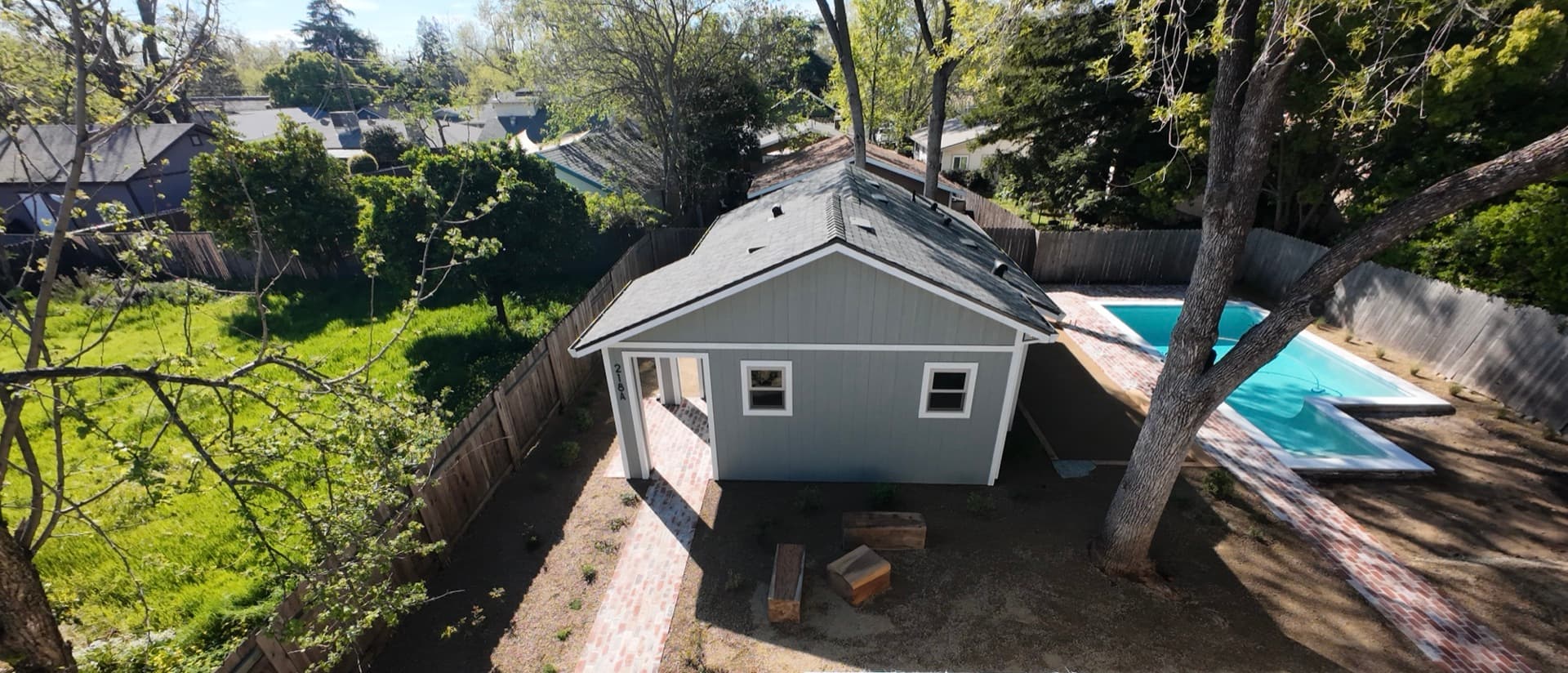
An attached ADU is a new living unit that shares at least one wall — and in most cases the foundation underneath it — with the main home. Despite the shared structure, it's still an independent unit: its own kitchen, its own bath, its own entrance, separate from the main home's living areas. From the inside, you can't usually tell whether you're in an attached or detached ADU. From the outside, an attached ADU reads as a thoughtful addition to the existing home rather than a separate cottage.
California state ADU law treats attached ADUs slightly differently from detached: the size limit is technically up to 50% of the main home's floor area or 1,200 square feet, whichever is smaller — though most jurisdictions interpret this generously, and a 1,200 sq ft attached ADU on a 2,000 sq ft main home is generally buildable even though it's more than 50%. Setbacks are the same (4 ft side and rear). Height limits are the same. Parking requirements are the same (none, in most cases). The functional and legal differences are subtler than the marketing positioning suggests.