CA License #1119373Licensed, Bonded & InsuredPowered by Future Generation ConstructionFuture Generation
Santa Rosa · Detached ADU
A standalone backyard unit, built fire-hardened for Santa Rosa.
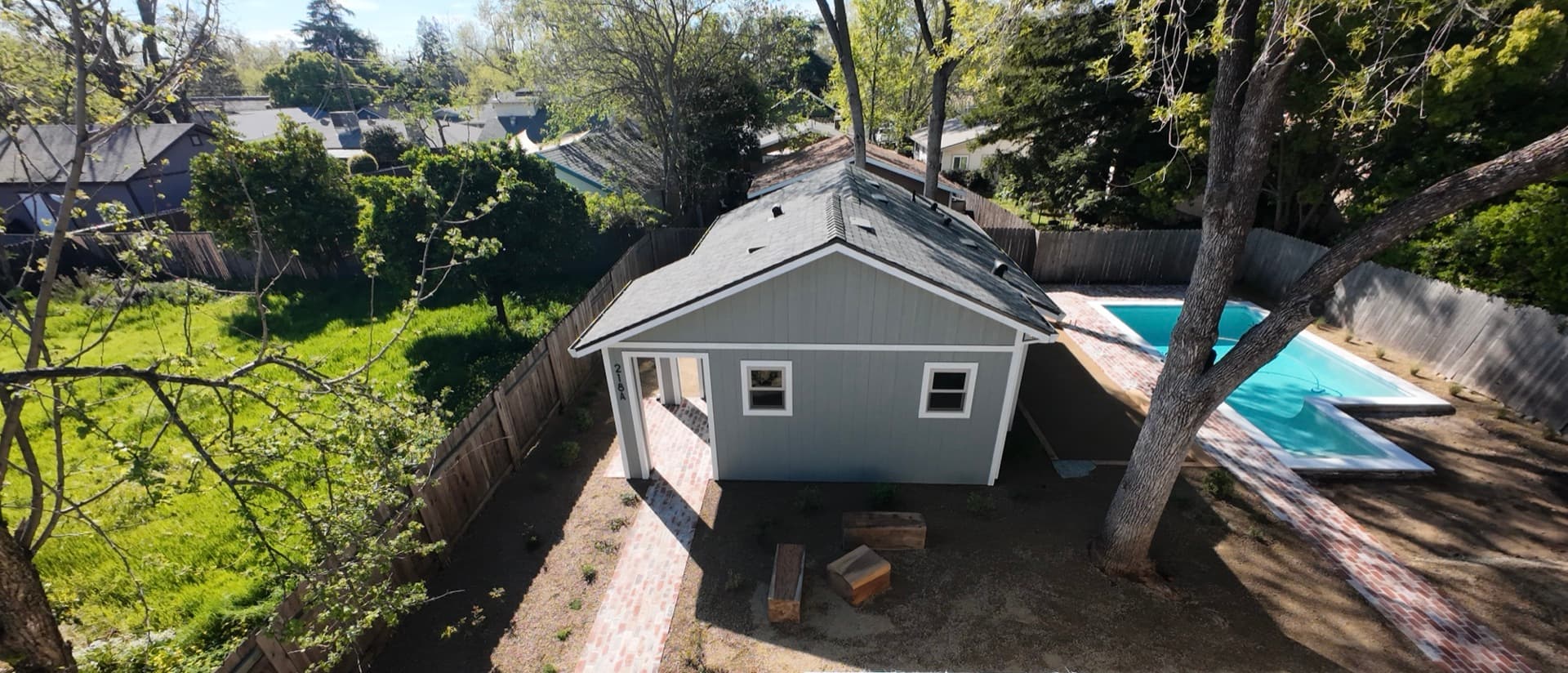
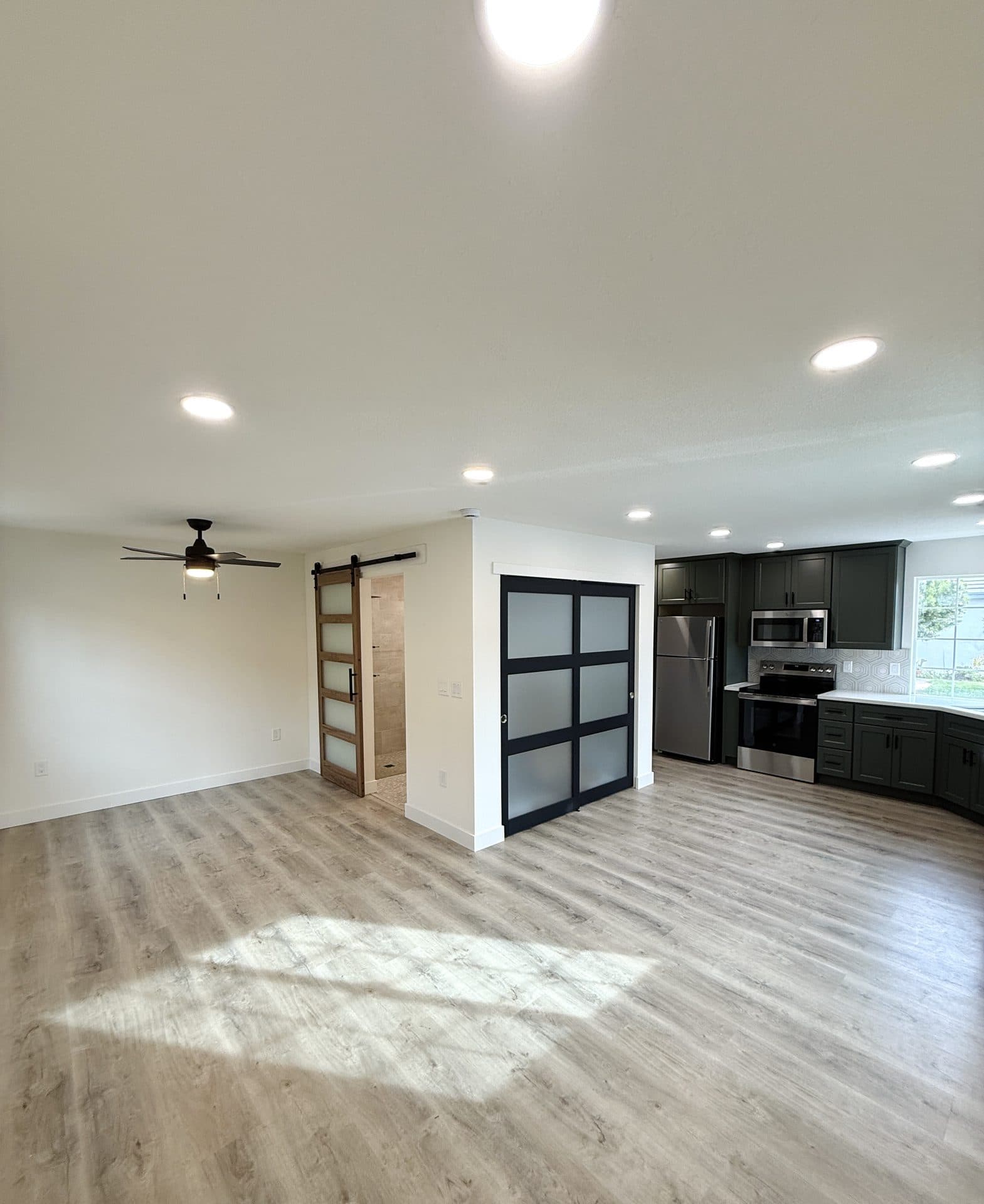
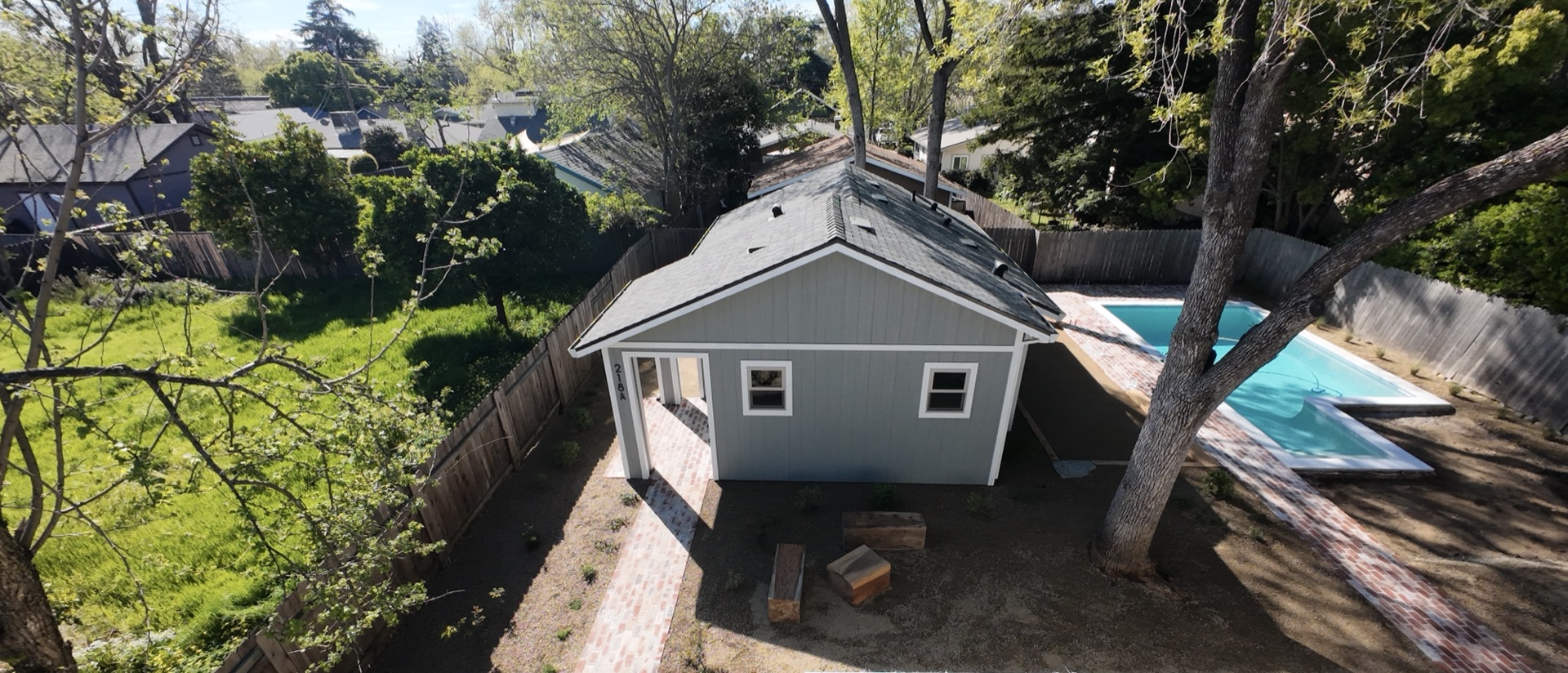
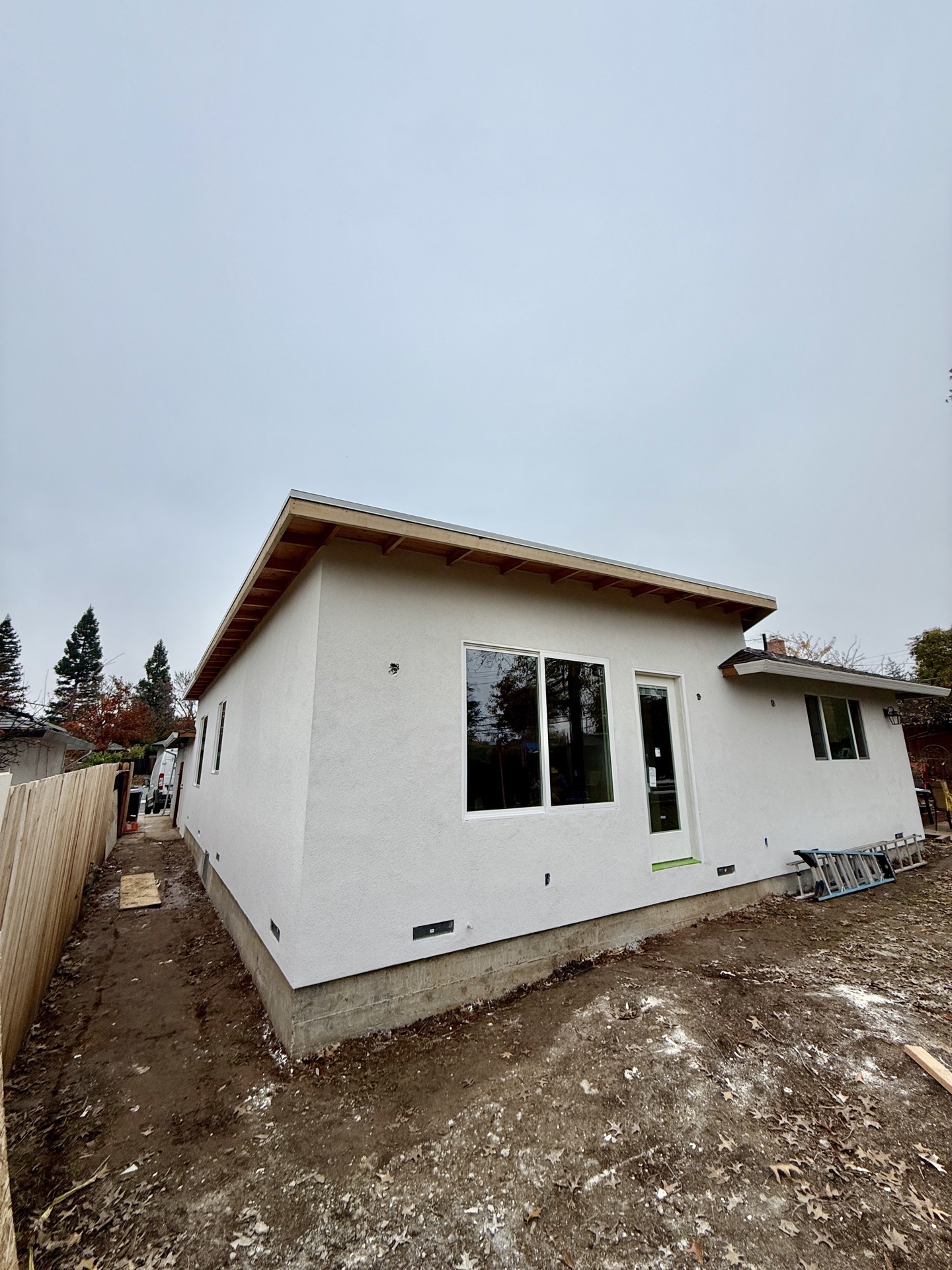
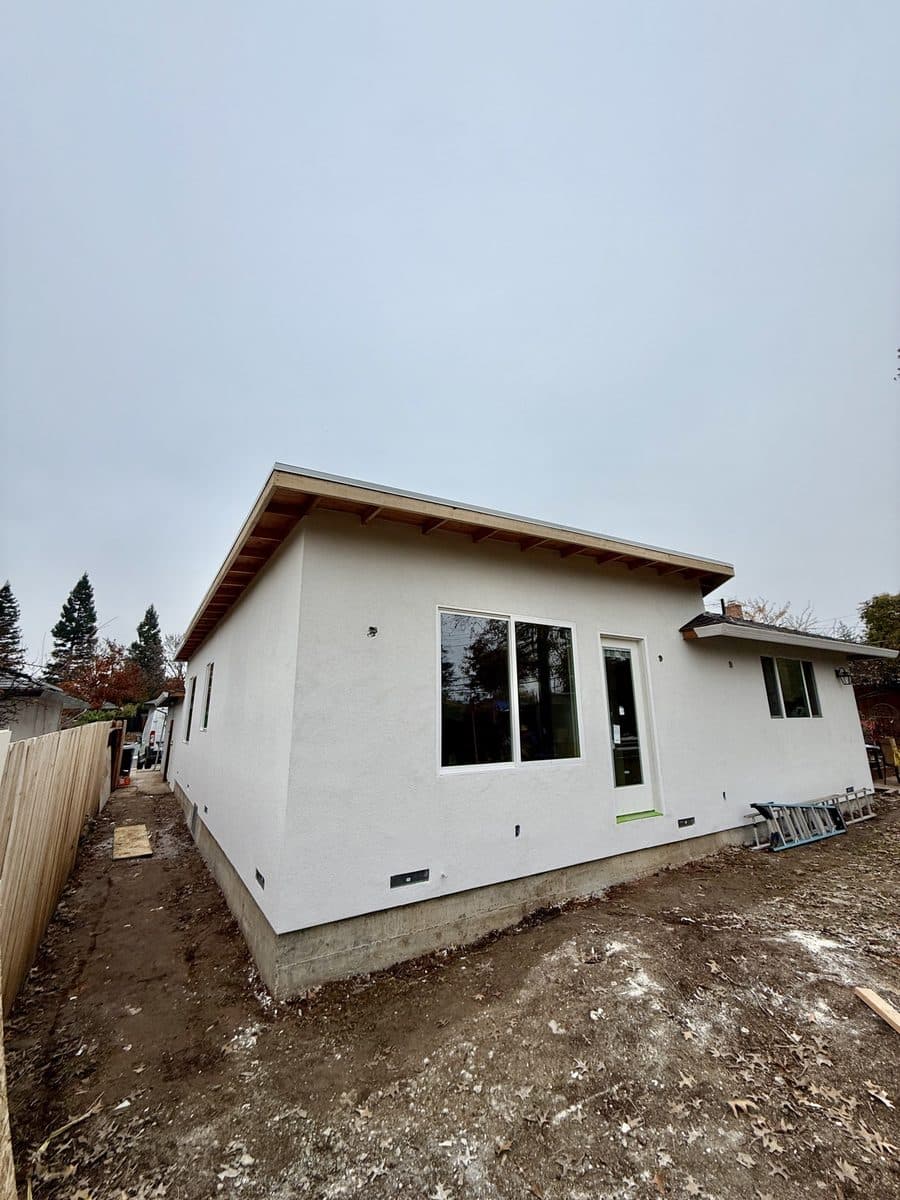
Its own foundation, its own roof, four walls that share nothing with the main house — a true detached ADU sited on a Sonoma County lot and built to the Chapter 7A fire standards this town learned the hard way.
Trusted by homeowners across Sacramento & surrounding areas.
Detached ADU in Santa Rosa — fast facts
City
Santa Rosa
ADU type
Detached ADU
Contractor license
CSLB #1119373
Free estimate
(916) 677-9774
Last updated
Freestanding, shares nothing
A detached unit is its own building
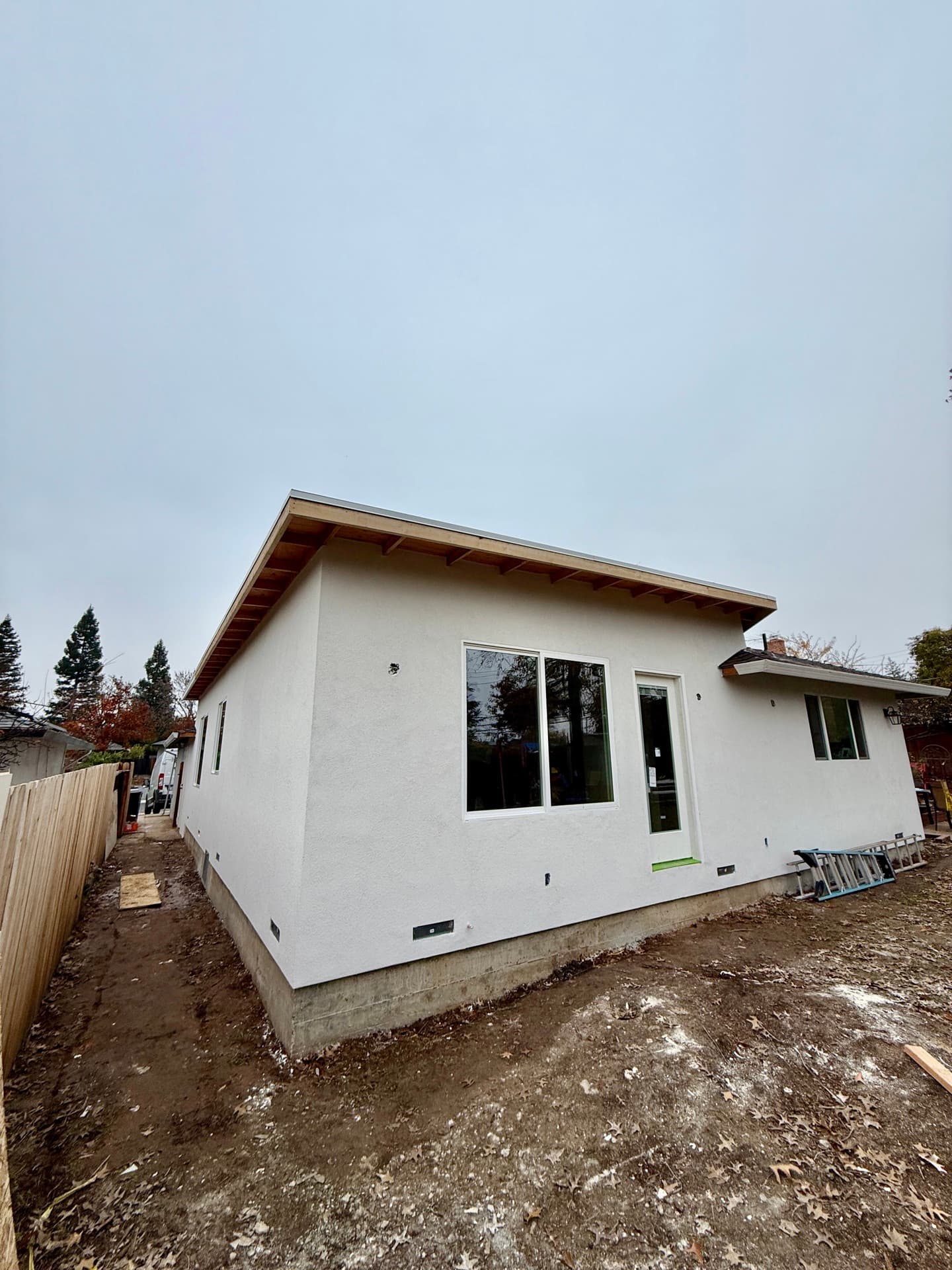
What makes a detached ADU worth the money is the same thing that makes it the hardest to build — it shares nothing with your house. Own slab. Own framing. Own roof. I've set freestanding units on Santa Rosa lots where the only buildable spot was a back corner past the deck, and because the unit stood completely free I could turn the glass toward the yard and keep it clear of the main house. That independence is why people go detached out here, especially on the bigger Rincon Valley and Bennett Valley parcels. The cost of it is a second foundation, a separate roof, and a full envelope — a ground-up build, not a conversion. I map every foot of it before we draw.
Independent foundation, framing, roof and exterior envelope
Sited for light and the yard on lots where space allows it
Most flexible ADU type — but a full ground-up build, not a conversion
City of Santa Rosa permitting
The city files it, and they're fast
Inside city limits your detached ADU permit, plan check, and inspections all run through the City of Santa Rosa building division — not Sonoma County. One counter, one set of standards. Here's the part that actually helps you: this department has processed a mountain of fire-rebuild ADUs since 2017, so they know detached units cold. The plan checkers have seen Coffey Park and Fountaingrove rebuild from the dirt up. That experience cuts both ways — they move quicker than counties I've dealt with, but they also catch 7A fire details and Rodgers Creek seismic items that a sleepier office would miss. I pull your zoning, fire hazard zone, and any rebuild history on the first visit. All three shape the plan set.
Reviewed by the City of Santa Rosa — fast-tracked fire-rebuild ADU experience
Plan checkers know detached units and 7A details cold
Complete plan set drawn in-house, fewer correction rounds
The fire reality here
Chapter 7A is non-negotiable
This is the Santa Rosa fact that drives the whole build: wildfire. Tubbs took Coffey Park and Fountaingrove in 2017, Kincade followed in 2019, and any lot in or near the wildland-urban interface now builds to California Chapter 7A. On a detached unit that means a Class A roof, ember-resistant vents, fire-rated or noncombustible siding, tempered glazing, and defensible space cleared around the structure. I don't treat this as a checkbox. A detached ADU sits out in the yard, closer to the fence line and the brush than the main house, so its exposure can actually be worse. I build the envelope to hold against embers, not just to pass an inspection. On the eastern hillside lots it's stricter still, and I'd rather over-detail than gamble.
Class A roof, ember-resistant vents, fire-rated siding, tempered glazing
Defensible space planned around a unit that sits out in the yard
Stricter detailing on Fountaingrove and the eastern hill parcels
Trenches, power and the slab
Separate utilities and PG&E reality
A detached ADU stands on its own, so it needs its own everything underground. Power, water, sewer, and gas if you run it — all trenched from the main house or the street out to the back of the lot. PG&E handles the electric here, and the planned shutoffs that come with fire season are just part of life in Santa Rosa, so I size the panel and talk through a backup option if you want one. Water comes from City of Santa Rosa Water. On the flats — Roseland, the Santa Rosa Plain side — the soil is expansive valley clay that swells and shrinks with the seasons, so the foundation gets engineered for it. Climb into Fountaingrove and it's hillside grading instead. The dirt under the unit decides the slab, not a default pour.
Separate trench for power, water, sewer and gas to the unit
PG&E power with shutoff planning; City of Santa Rosa Water
Foundation engineered for expansive clay flats or hillside grading
Build Smart. Invest Wise.
Build Your ADU. Your Investment, Your Future.
From design to move-in, we handle everything. Transparent pricing, on-time delivery, and uncompromising quality.
Custom Designs
Tailored to you
Built to Last
Premium materials
Fast Turnaround
On-time delivery
Full-Service
From start to finish
30+
Years of Experience
120+
ADU Projects Completed
100+
Happy Homeowners
Built for Value. Designed for Life.
Trusted by homeowners across Sacramento & surrounding areas.
ADU Estimator
Know Your Numbers Before You Commit
Get an instant estimate of construction cost, rental income, ROI, and timeline. No email required to see your number.
“Every ADU we build is designed to add long-term value and open new possibilities for your property. Let's build something great together.”
— Tim, ADU Specialist
Custom Designs
Built to fit your property & needs
Turnkey Process
We handle permits, plans & everything
Built to Last
Quality craftsmanship that stands the test
Financing Made Simple
$0 Down Options. Build Now, Pay Over Time.
You shouldn't have to drain your savings to build wealth. We partner with trusted ADU lenders to find financing that fits — many homeowners build with little to nothing out of pocket.
Home Equity (HELOC)
Tap your existing equity at competitive rates — the most popular way to fund an ADU.
Renovation Loans
Finance the build against your home's projected after-completion value.
ADU-Specific Financing
Specialized lenders who underwrite based on the rental income your ADU will produce.
Cash-Out Refinance
Roll the project into a new mortgage and keep one simple monthly payment.
Estimate Your Monthly Payment
See what financing your ADU could look like — and how rental income can help cover it.
$180,000Loan amount
Credit Score
Very good · 700–739
Estimated Monthly Payment
$1,320/mo
At 7.99% APR over 30 years (illustrative)
Often offset by $2,000–$3,500/mo in rental income
No prepayment penalties with most partners
Pre-qualification with no impact to your credit
Illustrative only — not a loan offer. Actual rates and terms are set by third-party lenders based on your qualifications.
Service areas
Where we build
Headquartered in the Greater Sacramento Area and serving homeowners from the Sierra foothills down through the Bay Area. Don't see your city? We probably still get there — just ask.
The most common things Sacramento homeowners ask before starting an ADU project.
Fair question, and I'll be straight about it. I'm based in Sacramento, and Santa Rosa is roughly 90 miles out — call it an hour and a half to two hours via I-80 and Highway 12 or 37, longer if the bridge or 101 is backed up. That's a real drive, not a nothing. So I don't take small one-room jobs out there; the math doesn't work for either of us. Where it does work is a full detached ADU, where the build runs months and the craftsmanship and pricing justify the trip. I run a tight schedule when I'm working that far from home — fewer, longer days on site, materials staged ahead, subs lined up so nobody's standing around. If you want someone who can be on your driveway in twenty minutes for a loose screw, hire a Santa Rosa local. If you want the build done right and you've got a project worth the drive, I'm worth it.
If your lot is inside Santa Rosa city limits, the whole thing — permit application, plan check, and every inspection — goes through the City of Santa Rosa building division. Not Sonoma County. That distinction matters, because the city and the county run different counters with different turnaround. The good news for you is that the city has handled an enormous volume of ADU and rebuild permits since the 2017 fires, so a detached unit isn't anything new to them. They've watched whole neighborhoods come back from bare dirt. I file the complete plan set — structural, 7A fire details, seismic, utilities — in one package so the plan checkers aren't bouncing it back for missing pieces. If your parcel sits in an unincorporated pocket just outside the city, then it's the county's jurisdiction instead, and I confirm which one you're in on the first site visit before any drawing starts.
Depends hard on where your lot sits, and I'll tell you that up front. Down on the flats — the Santa Rosa Plain, places like Roseland and the western and southern parts of town — you're on valley alluvial clay. That clay is expansive, which means it swells when it's wet and shrinks when it dries out, and over the seasons that movement will crack a foundation that wasn't designed for it. So I engineer the slab and footings for that soil specifically, not a generic pour. Up in Fountaingrove and the eastern hills it's a different problem entirely: grading on a slope, sometimes a stepped foundation or piers cut into the grade. A detached ADU carries its own new foundation, so this isn't a small line item — it's one of the things that decides the engineering budget. I get a soils read early so we're not guessing.
PG&E. They handle electric across Santa Rosa and most of Sonoma County. A detached ADU needs its own electrical service run out to it, so part of the early planning is the panel and the trench from the main house or the meter to the back of the lot. The honest local wrinkle is PSPS — the Public Safety Power Shutoffs PG&E runs during high fire-risk weather, which around here means late summer and fall. If you're in or near the hills, you've probably already lived through a few. I size the service with that in mind and talk through whether you want a battery or generator transfer setup so the unit isn't dark when the grid goes down. Water, for the record, comes from City of Santa Rosa Water, and that's a separate connection I trench at the same time. Planning both lines together saves you digging the yard up twice.
For most owners out here, yeah — and the demand side is the strong part. Santa Rosa is the biggest city in the North Bay, it sits in the middle of Sonoma wine country, and housing has been tight since well before the fires made it tighter. People want to live here and there isn't enough to rent. I won't quote you a rent figure — that's your accountant's job, and it swings with the unit size and neighborhood — but the demand is real and it's steady. The other piece is that a detached unit adds genuine value and flexibility to the property: rental, family, an office, a place to put aging parents. Just go in clear-eyed. Detached is the most expensive ADU type because it's a full ground-up build. The math works best on a project you'll hold a while, not a quick flip.
I'll give you a real range instead of a dodge. A detached ADU in the Santa Rosa and broader Sonoma County market generally lands somewhere between $350,000 and $650,000. That's Bay Area and wine-country pricing, and it's wide for honest reasons. A flat lot on the plain with simple utility runs sits at the low end. A hillside parcel in Fountaingrove with grading, a stepped foundation, full 7A fire-hardening, and a long utility trench pushes toward the top. Square footage, finish level, and how far the unit sits from existing services all move the number. The 7A fire requirements and the seismic detailing for the Rodgers Creek fault both add cost that a builder in a low-hazard town wouldn't carry. I'd rather scope your actual lot and give you a real figure than throw out a teaser that balloons later. The estimate I hand you is the one I stand behind.
Yes, and a lot of the Santa Rosa work I see is exactly this. Owners who lost the house in 2017 are rebuilding the main home and adding a detached ADU on the same lot, either to live in while the big house goes up or to keep as a rental or family unit afterward. The city is set up for it — they've processed thousands of rebuild permits and they understand combining a primary rebuild with an ADU on one parcel. The build itself goes up to current code, which means the new detached unit gets the full 7A envelope from the start: Class A roof, ember-resistant vents, fire-rated siding, the works. If you're sequencing a rebuild and an ADU together, get me in early so we phase the foundations, utilities, and inspections sensibly instead of paying to dig the same yard up twice. It saves real money to plan it as one project.
Serious. The Rodgers Creek fault runs right through Santa Rosa, and it's rated one of the higher-hazard faults in the whole Bay Area — the kind geologists keep an eye on. A detached ADU carries its own new foundation, so I'm not retrofitting anything; I'm building it correct from the footing up. That means shear walls, hold-downs, properly anchored framing, and a foundation sized to take real ground motion. On the expansive clay flats the seismic detailing layers on top of the soil engineering, and on the hillside lots it stacks with the grading work. The city plan checkers know this fault intimately and they'll scrutinize the structural sheets, which honestly I'm fine with — I'd rather a sharp reviewer than a rubber stamp. Building seismic-right and fire-right at the same time is just the cost of doing this properly in Santa Rosa, and I price it in from day one.
Plan on the better part of a year from first drawing to final inspection, and I'll break down why. The design and engineering phase — site plan, structural, 7A fire details, seismic, utility layout — usually runs a couple of months before anything gets submitted. City of Santa Rosa plan check is reasonably quick for ADUs given their experience, but it's not instant. Then construction on a full detached unit is several months of real work: foundation, framing, envelope, mechanical, finishes, and the inspections at each stage. The drive from Sacramento doesn't add weeks if I schedule it right — I run longer days when I'm out there and stage materials ahead so nobody's idle. Where timelines slip is usually a soils surprise, a utility run that's farther than expected, or weather in fire season. I build a little float into the schedule and keep you posted instead of going quiet.
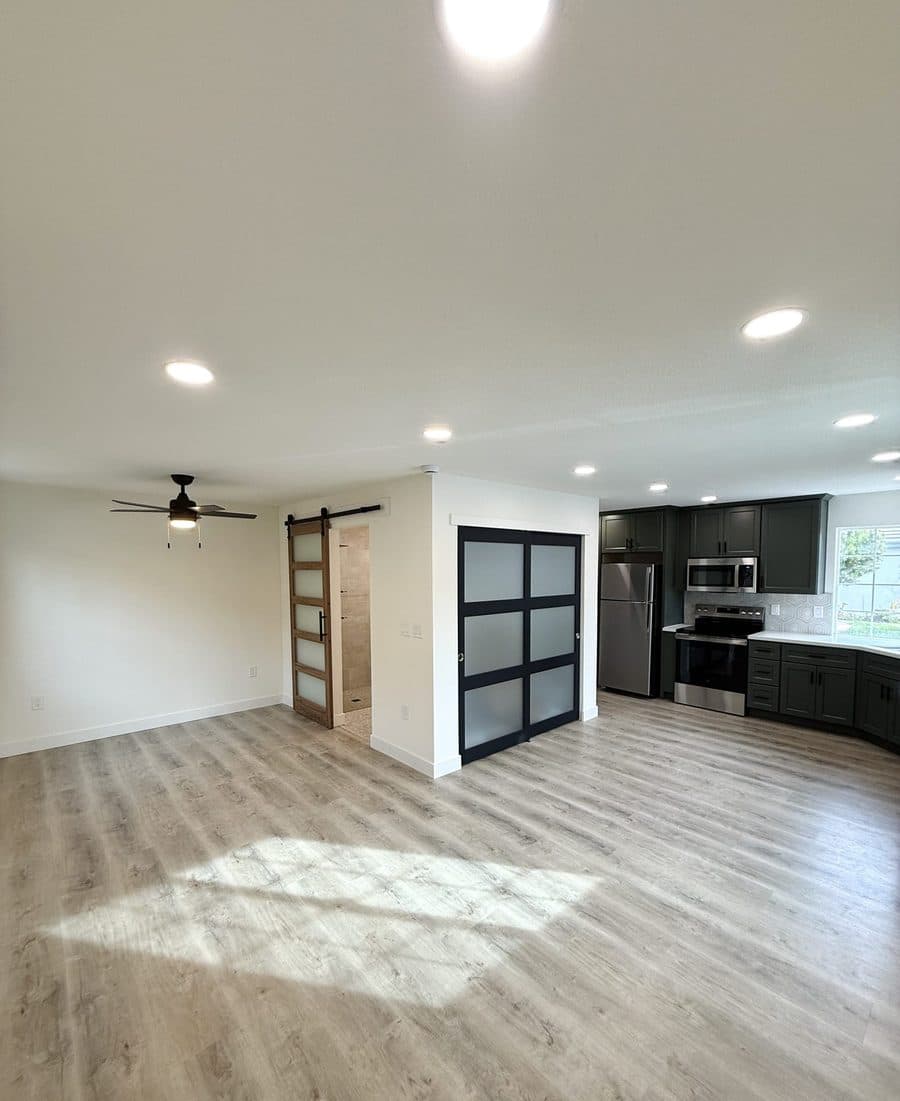
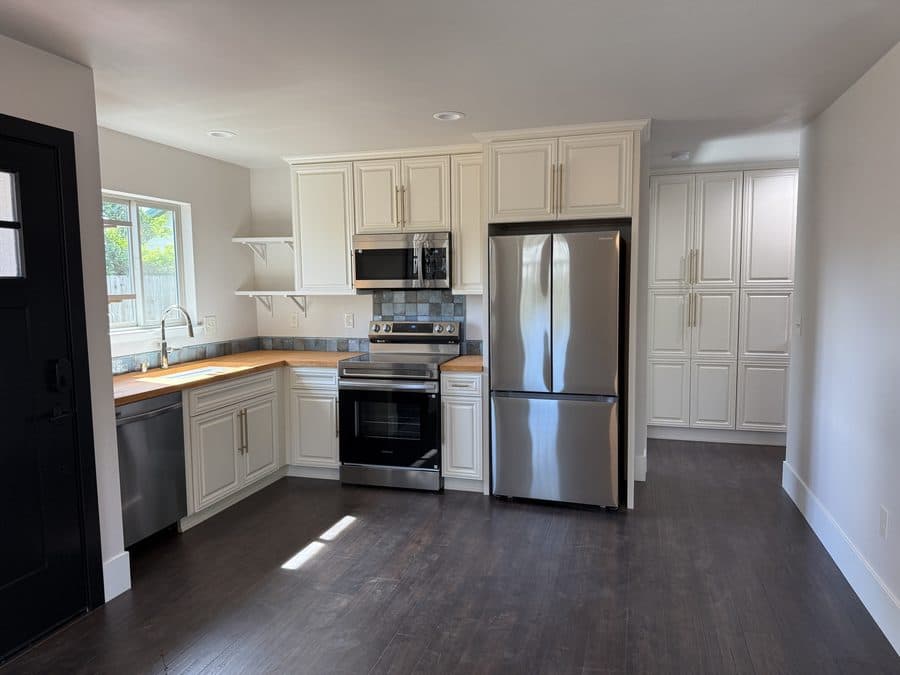
Yes, and on a detached unit you actually get more freedom to than people expect. Because it's a standalone building, I'm not locked into matching an existing wall or r-line the way an attached unit forces. So if you're in a craftsman pocket near downtown and Railroad Square, a ranch-style street in Rincon Valley, or a rebuilt block in Coffey Park where the whole neighborhood is new construction, I can detail the unit to sit right next to your main house and the street. The constraint that overrides the look is the fire code — siding has to be fire-rated or noncombustible in the hazard zones, so the material palette starts there and we make it look good within it. Fiber cement, certain metals, and treated assemblies all hit 7A and still read warm. I'd rather the unit look like it belongs than like a code-mandated box dropped in the yard.
Other services
Not quite the right fit?
Every Sacramento ADU project is different. Here are the other paths we build under one roof — and we're happy to talk through which one fits your lot best.
We treat every home like it's our own — quality work, clear communication, and happy homeowners.
PaulOwner · Future Generation
8 min read1,858 words8 sections
Building a Detached ADU in Santa Rosa — A Straight-Talk Guide
I'm a Sacramento design-build contractor, and I travel out to Santa Rosa for detached ADU work because the projects are worth the drive. This is the honest version of what it takes to build a freestanding backyard unit in Sonoma County — the fire code this town learned the hard way, the fault under it, the soil, the utilities, and what the whole thing actually costs. No fluff, no rent numbers I can't back up.
01Section
What "detached" actually means
A detached ADU is a freestanding building. It has its own foundation, its own roof, four walls, and it shares nothing structural with your main house. That's the whole appeal — and the whole expense. Because it stands free, I can put the glass and the entry wherever the lot and the light want them, instead of being chained to an existing wall. On a Santa Rosa parcel with a deep backyard, that freedom is real.
The trade-off is that "shares nothing" cuts both ways. Sharing nothing means building everything. A second foundation engineered for the soil and the fault. A separate roof rated Class A for the fire code. A full exterior envelope. Its own run of power, water, and sewer trenched out to the back of the lot. None of those costs exist on a garage conversion, which is why detached is the priciest ADU type by a wide margin.