CA License #1119373Licensed, Bonded & InsuredPowered by Future Generation ConstructionFuture Generation
Santa Clara · Garage Conversion
Turn that Santa Clara garage into a permitted ADU.
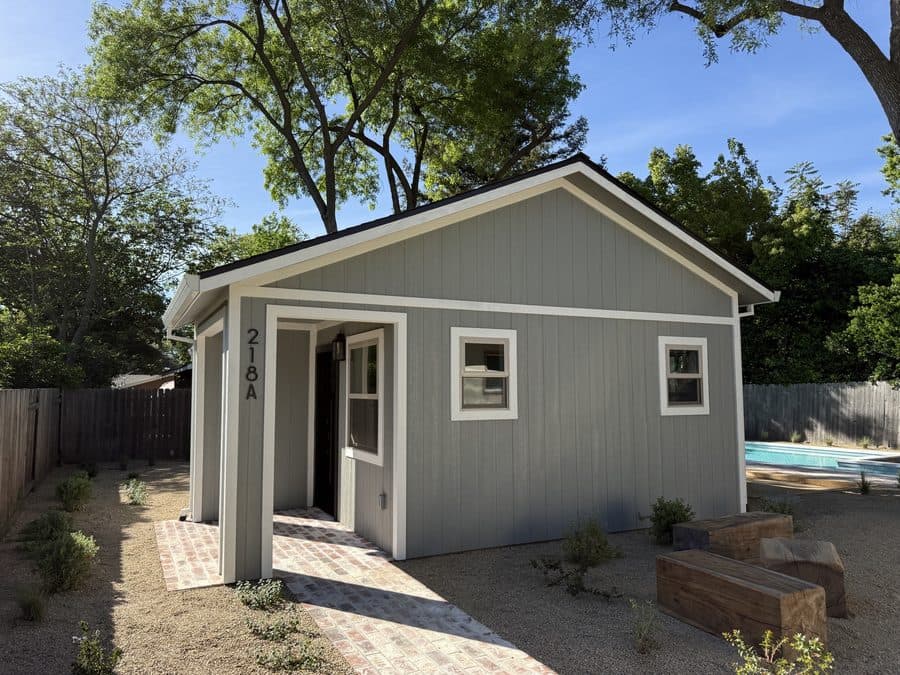
The shell is already standing, so a garage conversion is usually the fastest, cheapest ADU you can build in Santa Clara — once we fix the slab, the egress, and the seismic work the old structure skipped.
Trusted by homeowners across Sacramento & surrounding areas.
Garage Conversion in Santa Clara — fast facts
City
Santa Clara
ADU type
Garage Conversion
Contractor license
CSLB #1119373
Free estimate
(916) 677-9774
Last updated
Why a conversion costs less
You already paid for the shell
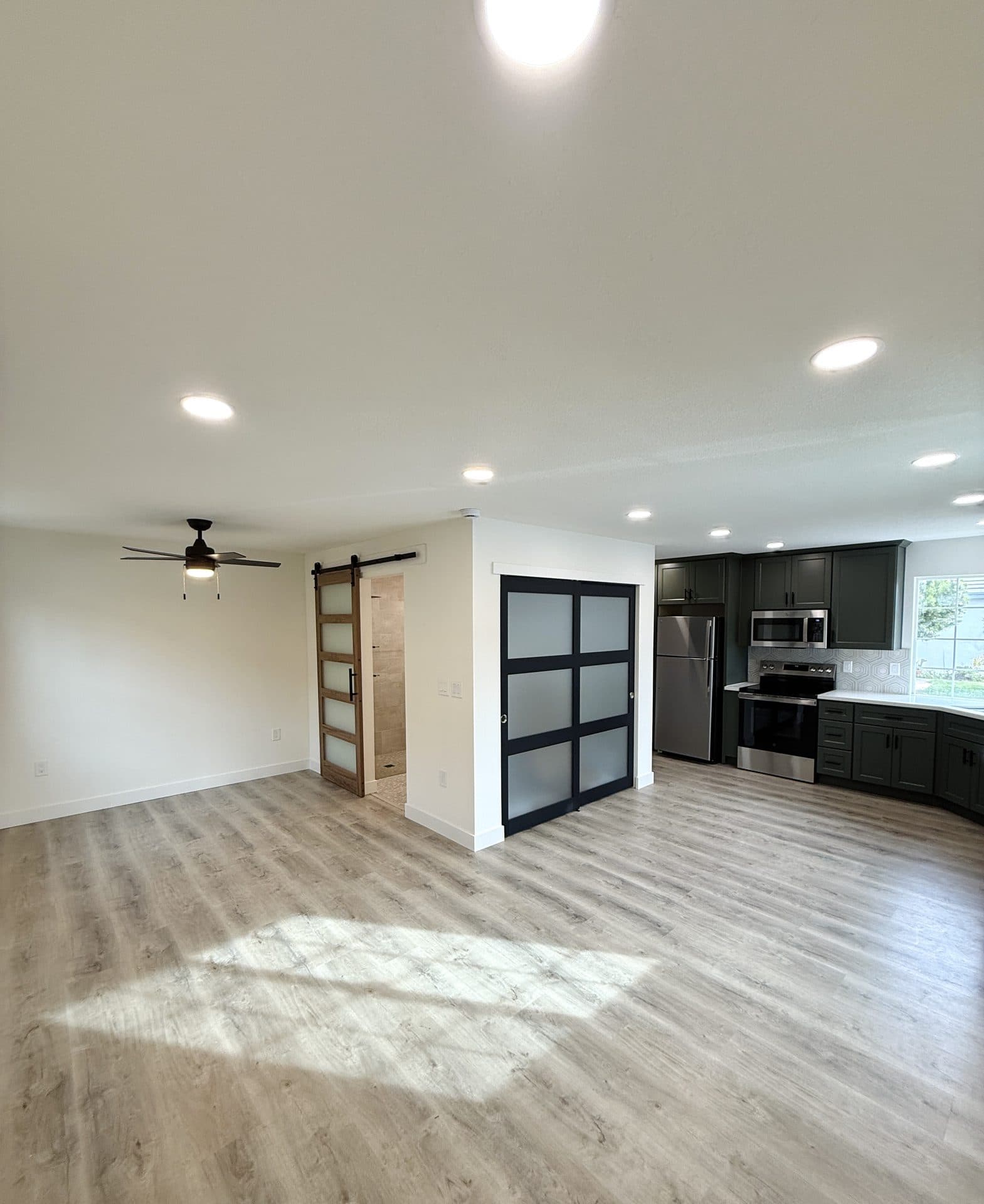
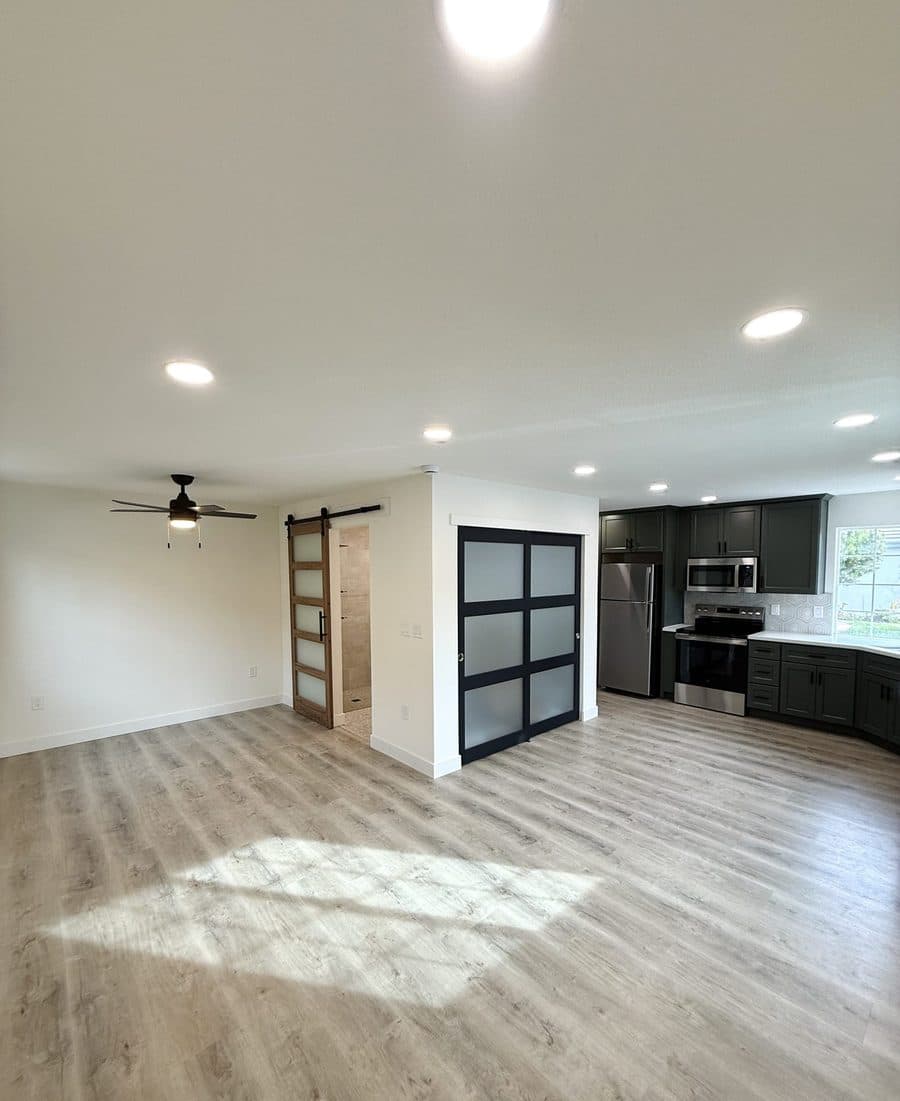
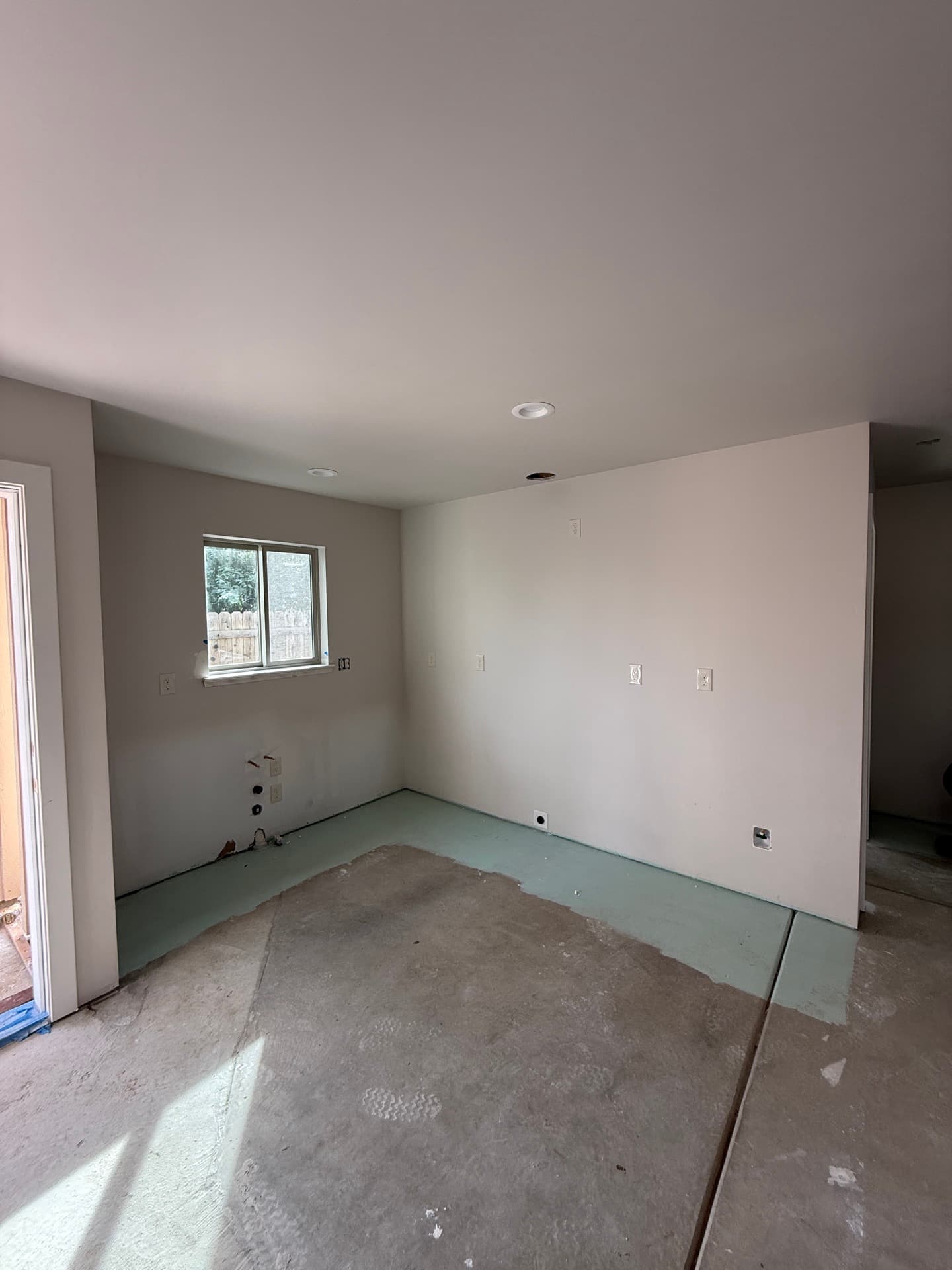
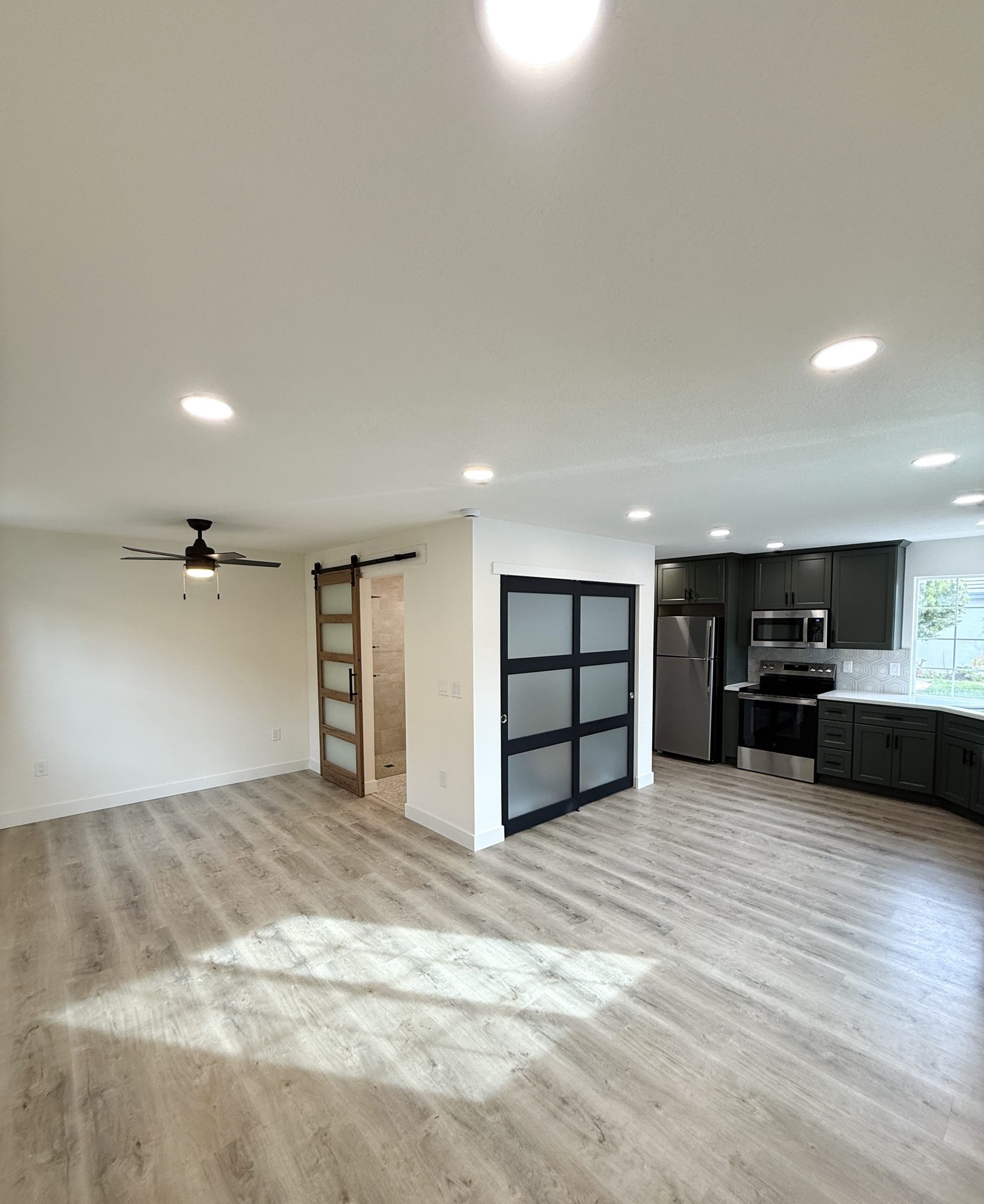
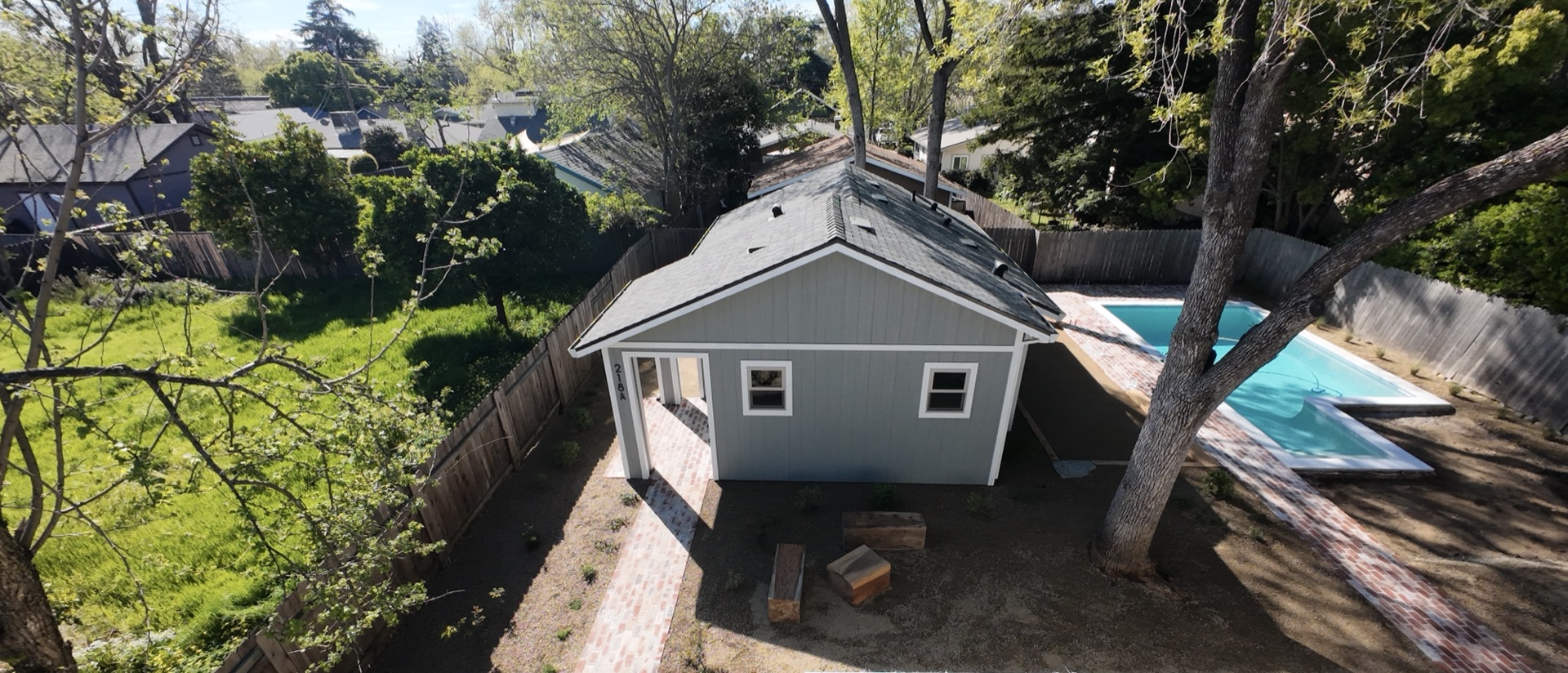
A garage conversion beats every other ADU on price for one blunt reason: the expensive parts already exist. Walls up, roof on, a slab in the ground. We're not pouring a foundation or framing a building from dirt, so a Santa Clara conversion lands well under a detached unit of the same footprint — and in this market that gap is real money. The mid-century ranch homes around the Old Quad and Killarney Farms usually came with garages roomy enough for a true 540 sq ft one-bedroom. Here's the honest catch, though. A garage was never built for someone to sleep in. We open it up and look hard before anyone signs a number.
Reuses the existing slab, walls and roof — no new foundation poured
Usually the fastest, cheapest route to a permitted ADU in Santa Clara
An older garage hides surprises — we investigate before we quote
The slab is the wildcard
That slab was poured for a car
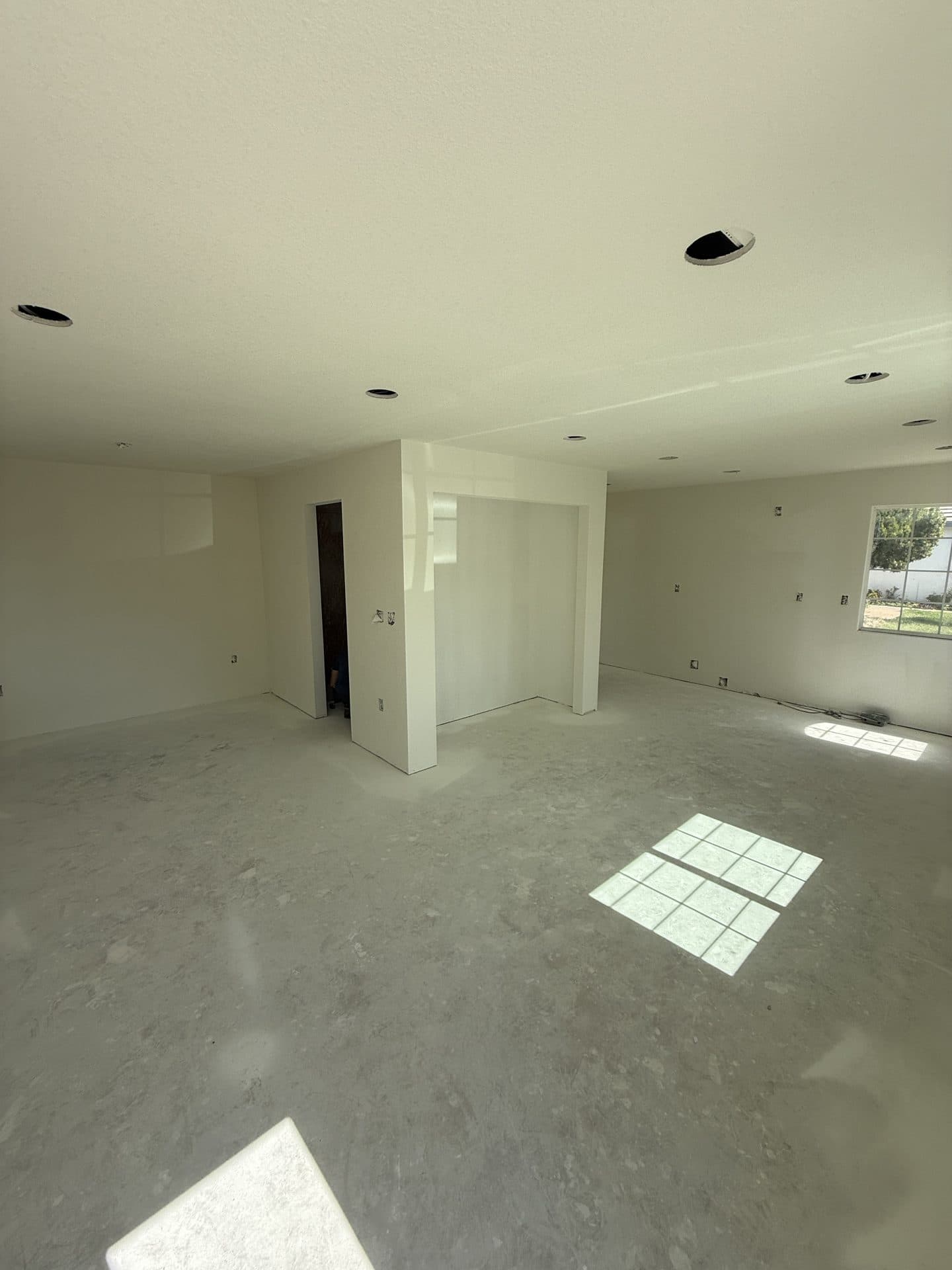
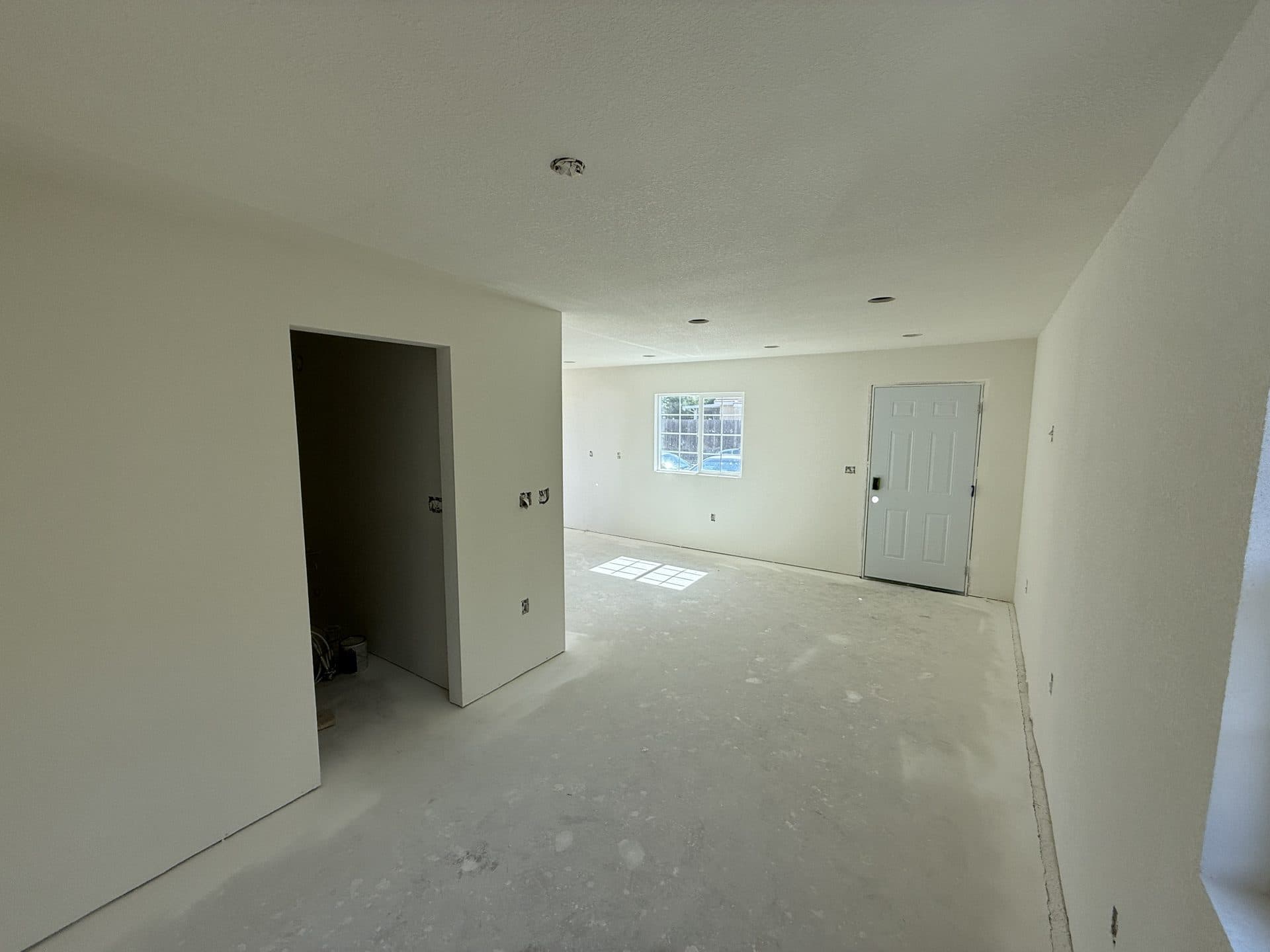
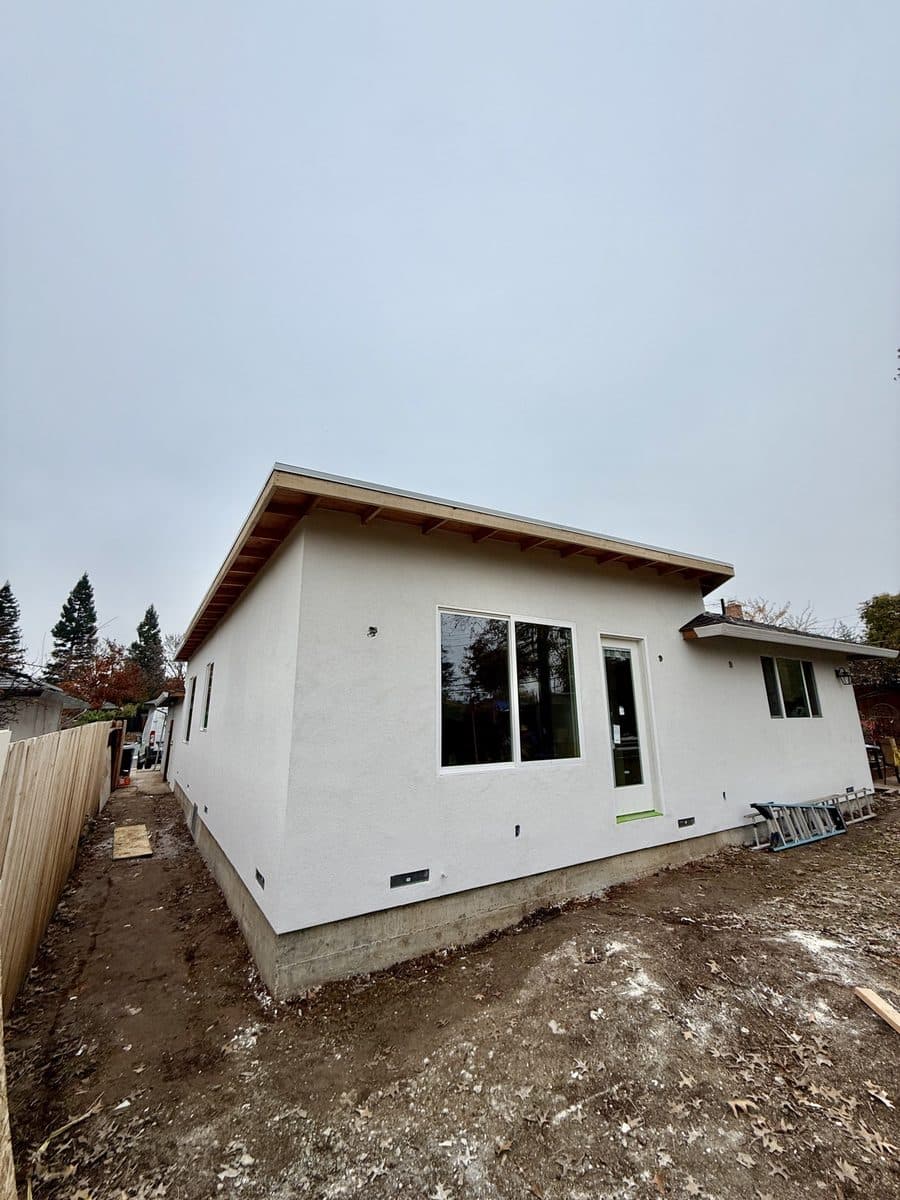
This is the part a lot of contractors gloss over. A garage slab is poured for a vehicle, not a bedroom — usually un-rated concrete on shallow footings, no insulation beneath it, pitched toward the old door so rain runs out. None of that is legal for a habitable room. A real conversion often means underpinning those footings, or pouring a new slab with thickened edges to carry the walls and give you the level, insulated floor a dwelling needs. Santa Clara adds a layer the inland market skips: the valley floor sits near active faults, so any new foundation gets engineered for real ground motion. We core the slab and shoot the floor for slope before we write a proposal.
Un-rated slab on shallow footings — often needs underpinning or a fresh pour
Old drain slope corrected to a level, insulated, code floor
New foundation work engineered for South Bay seismic loads
The door opening and code
Closing the door, hitting code
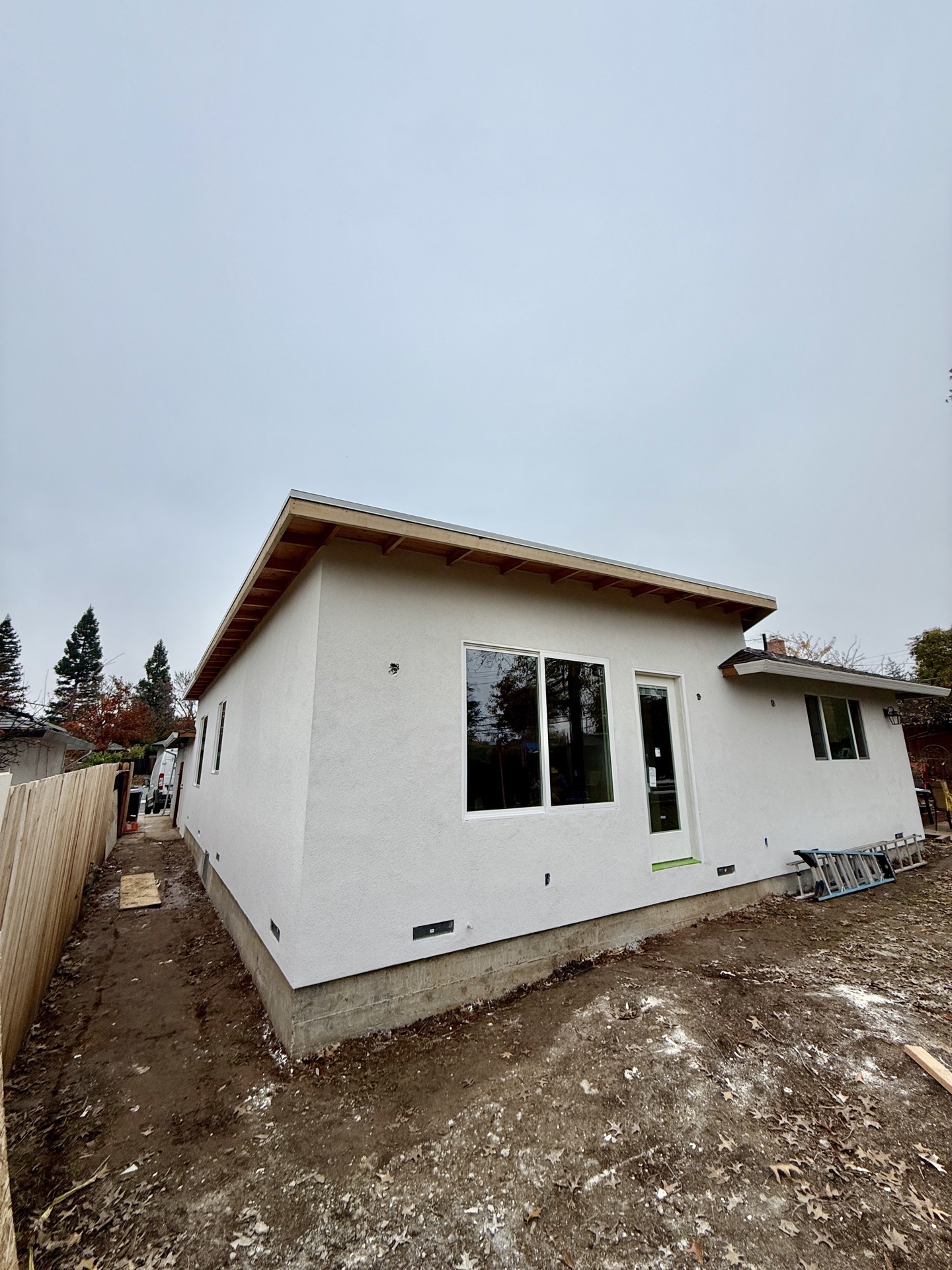
The biggest change you'll actually see is the garage door. That opening becomes a real wall — framed, insulated, sheathed, with windows set in where a dwelling needs light and air. Done right, nobody walking past Old Quad reads the building as a former garage. It looks like a small house. Then the part you don't see. Insulation in walls and roof that were bare. A ceiling height that clears the habitable-room minimum, which on a low-framed mid-century ranch garage is its own puzzle. A bedroom egress window sized so a person can climb out in a fire. And California dropped the rule forcing you to replace the parking you remove — a quiet win on a modest Santa Clara lot. We build to current code, not to whatever the garage was.
Old garage-door opening framed into an insulated wall with windows
Insulation, ceiling height and egress brought up to habitable code
California removed the replacement-parking requirement — helps on tight lots
Lot lines, utilities, the city
Fire walls, SVP and city review
A few Santa Clara specifics shape a conversion before the tools come out. If you're converting a detached garage that sits close to the property line, the code can require fire-rated walls on the sides facing the neighbor — added assembly, added cost. Power here is the unusual part: Santa Clara runs its own municipal utility, Silicon Valley Power, not PG&E. That means cheaper electricity and city-run hookups, though PG&E still handles your gas. And the City of Santa Clara runs your permit — high fees, slower review than inland, the standard Bay Area pace. We check the lot line, the utility split between SVP and PG&E, and the panel on the first visit.
Detached garage near the lot line can trigger fire-rated walls
Electric is Silicon Valley Power — cheaper, city-run hookups; gas stays PG&E
City of Santa Clara permits — high fees, slower Bay Area review
Build Smart. Invest Wise.
Build Your ADU. Your Investment, Your Future.
From design to move-in, we handle everything. Transparent pricing, on-time delivery, and uncompromising quality.
Custom Designs
Tailored to you
Built to Last
Premium materials
Fast Turnaround
On-time delivery
Full-Service
From start to finish
30+
Years of Experience
120+
ADU Projects Completed
100+
Happy Homeowners
Built for Value. Designed for Life.
Trusted by homeowners across Sacramento & surrounding areas.
ADU Estimator
Know Your Numbers Before You Commit
Get an instant estimate of construction cost, rental income, ROI, and timeline. No email required to see your number.
“Every ADU we build is designed to add long-term value and open new possibilities for your property. Let's build something great together.”
— Tim, ADU Specialist
Custom Designs
Built to fit your property & needs
Turnkey Process
We handle permits, plans & everything
Built to Last
Quality craftsmanship that stands the test
Financing Made Simple
$0 Down Options. Build Now, Pay Over Time.
You shouldn't have to drain your savings to build wealth. We partner with trusted ADU lenders to find financing that fits — many homeowners build with little to nothing out of pocket.
Home Equity (HELOC)
Tap your existing equity at competitive rates — the most popular way to fund an ADU.
Renovation Loans
Finance the build against your home's projected after-completion value.
ADU-Specific Financing
Specialized lenders who underwrite based on the rental income your ADU will produce.
Cash-Out Refinance
Roll the project into a new mortgage and keep one simple monthly payment.
Estimate Your Monthly Payment
See what financing your ADU could look like — and how rental income can help cover it.
$180,000Loan amount
Credit Score
Very good · 700–739
Estimated Monthly Payment
$1,320/mo
At 7.99% APR over 30 years (illustrative)
Often offset by $2,000–$3,500/mo in rental income
No prepayment penalties with most partners
Pre-qualification with no impact to your credit
Illustrative only — not a loan offer. Actual rates and terms are set by third-party lenders based on your qualifications.
Service areas
Where we build
Headquartered in the Greater Sacramento Area and serving homeowners from the Sierra foothills down through the Bay Area. Don't see your city? We probably still get there — just ask.
The most common things Sacramento homeowners ask before starting an ADU project.
Fair question, and I won't dance around it. We're a Sacramento design-build contractor, and Santa Clara is about a 2.5-hour drive from our home base. We extend down here for owners who want our craftsmanship and our pricing over a Bay Area quote, and for projects big enough to earn the road. A conversion sits on the smaller end, so straight talk: if it's a clean, simple garage and rock-bottom price is the whole goal, a South Bay local might pencil tighter once you back out our travel. Where we earn the drive is the conversion that turns structural — a new slab, seismic foundation work, a tricky lot line. That's exactly the kind of job a fixed-price design-build crew handles cleanly, and it's our core.
Usually, yes — and in Bay Area dollars the savings are worth chasing. You already own the slab, the walls, and the roof, which are the priciest pieces of any build. A conversion reuses all three, so it commonly lands well below a detached unit the same size. Down here a detached ADU often runs $400K to $750K and up; a conversion can come in meaningfully under that. The word "usually" earns its place, though. A garage was never built to be lived in, and Santa Clara adds wrinkles a flat inland lot doesn't — a slab reworked for seismic, fire-rated walls if the garage hugs a line, slow city review. We open the structure, study the slab and the bones, then tell you whether the conversion stays the cheap option or whether a different path serves you better.
Probably nothing wrong for a car — that's the whole problem. A garage slab is poured for vehicle weight, not a habitable room. It's typically un-rated concrete on shallow footings, no insulation underneath, pitched toward the old door so rain drains out. A bedroom can't sit on that as-is. Depending on what we find, a real conversion means underpinning the footings, or pouring a new slab with thickened edges to carry the new walls and give you a level, insulated, code floor. In Santa Clara there's an extra layer — the valley sits near active faults, so any new foundation gets engineered for real ground motion rather than just dropped in. We core the slab and shoot the floor for slope before pricing, because the slab is the single biggest swing in a conversion budget.
It changes it for the better, mostly. Santa Clara is one of the few California cities that runs its own electric utility — Silicon Valley Power, or SVP — instead of buying through PG&E. For your converted ADU that means two practical things. First, the electricity is cheaper, often noticeably so, which matters on a unit you plan to rent. Second, your new service, any panel upgrade, and the meter all run through SVP's hookup process, which tends to be faster and more local than PG&E's. The wrinkle: gas is still PG&E. So if your conversion uses any gas — a furnace, a water heater, a range — you're dealing with two utilities, not one. We map which lines belong to which on the first visit, because a missed gas application can stall a final sign-off.
No — and that change matters on a Santa Clara lot. California removed the old requirement that forced you to replace the off-street parking a garage conversion eliminates. There was a time you'd convert the garage and then have to carve a new parking pad out of the yard, which on a modest parcel was often the thing that killed the project outright. That requirement is gone for ADU conversions in most situations. So the garage becomes a dwelling without you scrambling to rebuild parking you no longer have room for. Lots here run mid-sized and land is expensive, so every foot of yard counts — not having to surrender a chunk of it to a new pad is one fewer hurdle, and it's why a lot of conversions that used to stall now actually pencil.
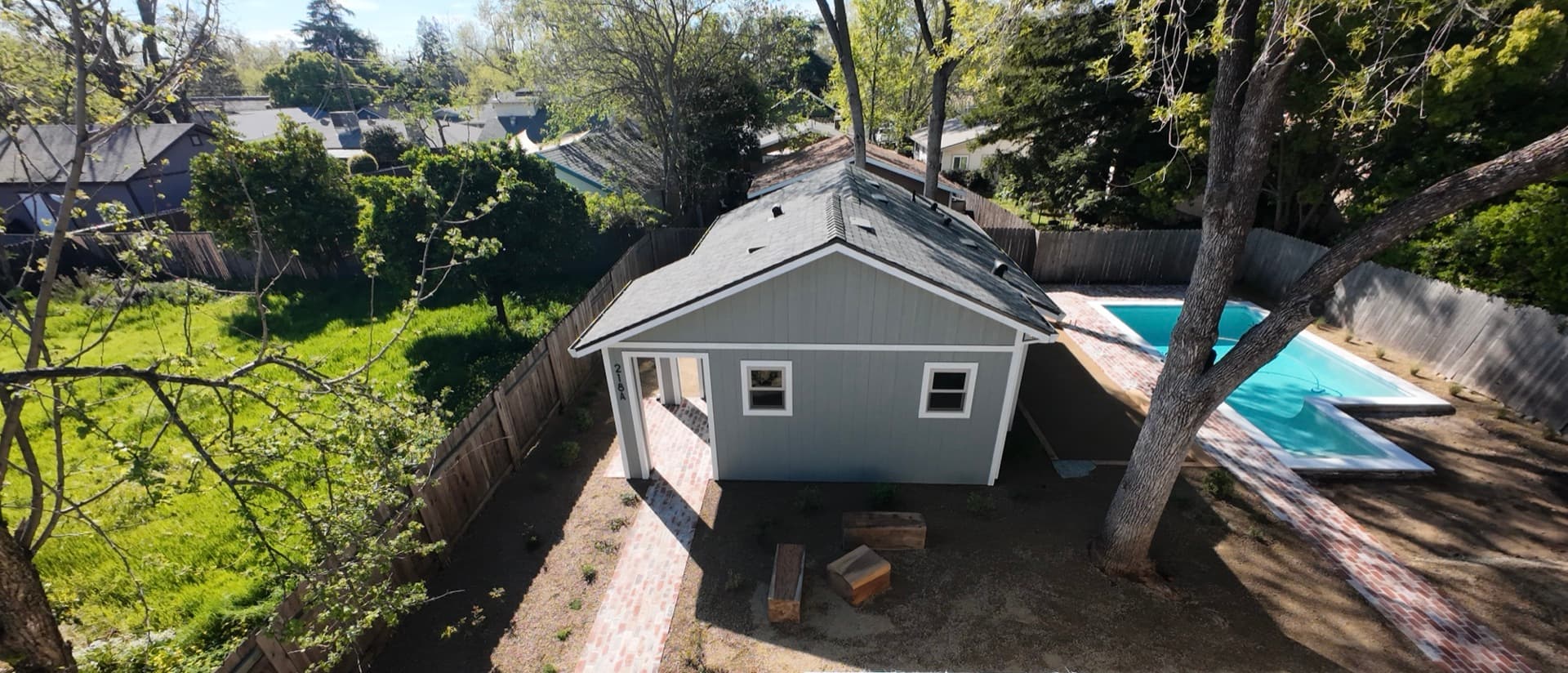
It becomes a wall — a real, finished, insulated exterior wall framed where the door used to roll up, with windows set into it so the room gets the daylight and ventilation a dwelling needs. Done right, the building stops reading as a converted garage entirely; it just looks like a small house. That opening is also where a lot of the energy-code and egress work concentrates, since we're building a whole new insulated wall assembly from scratch rather than upgrading an existing one. We'll often place the bedroom egress window in that new wall. On a Santa Clara conversion the design of that street-facing wall is worth getting right for the block — a tidy mid-century ranch near Rivermark reads differently from an older home by Santa Clara University, and we draw it to fit the street, not fight it.
Maybe — it depends on how close the garage sits to the property line. When a structure falls within a certain distance of the line, the code requires fire-rated wall assemblies on the sides facing the neighbor, to slow fire spread between properties. A detached garage tucked near a side or rear line is the classic trigger. Santa Clara lots are modest and dense, so this comes up more here than on a wide inland parcel — an older garage in the Old Quad that hugs a line is a common case. That rating adds materials and labor to those specific walls. It's not a dealbreaker, but it's cost you want in the number from the start, not discovered mid-build. We measure the setbacks on the first visit and tell you exactly which walls, if any, need the rated assembly.
With the City of Santa Clara. Santa Clara is its own incorporated city, so your conversion permit, plan check, and inspections all run through the city's building and planning departments — not Santa Clara County, despite the shared name. One counter. The catch is the Bay Area catch: the city is ADU-friendly on paper but slower and pricier at the counter than an inland owner expects. Fees run high, and review timelines stretch. A conversion of an existing structure can move through review more cleanly than a ground-up build, because you're not introducing a brand-new mass onto the lot — but only if the package is complete. A thin submittal bounces, and on a slow counter each bounce costs a fresh wait. We confirm zoning and the structural picture on the first visit so the set is built for Santa Clara from day one.
It's the whole reason the math works down here. Santa Clara sits in the middle of Silicon Valley — Nvidia is headquartered here, Levi's Stadium draws crowds, and the surrounding tech corridor keeps rental demand and rents far above anything inland. A converted garage that rents as a real one-bedroom returns money a Sacramento owner would find hard to believe. That's exactly why a conversion pencils despite Bay Area construction costs and our drive from Sacramento. The land is expensive, the permitting is slow, the seismic engineering is real — and the rent on the back end still makes the numbers work. We've seen owners treat a clean conversion as one of the better returns available on a lot they already own.
I'll give you the shape of it, then what bends it. A conversion is the cheapest ADU path, but Bay Area numbers run well above inland, and the cost swings hard on what we find in the existing structure. A clean garage on a sound slab with simple utility runs sits at the low end. The number climbs when the slab needs replacing or underpinning, when seismic foundation work enters the picture, when fire-rated walls are triggered by a lot line, or when the utility split between Silicon Valley Power and PG&E gets complicated. That's the spread. We don't quote a conversion blind — we open the structure, core the slab, measure the setbacks, check the panel and the gas runs, then write a fixed price so the number you sign is the number you pay.
Other services
Not quite the right fit?
Every Sacramento ADU project is different. Here are the other paths we build under one roof — and we're happy to talk through which one fits your lot best.
We treat every home like it's our own — quality work, clear communication, and happy homeowners.
PaulOwner · Future Generation
8 min read1,847 words8 sections
Converting a Garage Into an ADU in Santa Clara — A Straight-Talk Guide for South Bay Owners
A garage conversion is the fastest, cheapest way into an ADU, because the structure you'd otherwise pay to build is already standing. That's the pitch, and it holds up. But a garage was never meant to be lived in, and Santa Clara layers on things the inland market doesn't — active faults under the valley floor, a slower, pricier city counter, a municipal electric utility most of California has never heard of, and the plain reality that Bay Area ADU economics run on a different scale. We're a Sacramento builder who extends down to Santa Clara, about 2.5 hours from home base, so I'll be honest about the drive and about where a conversion stays the smart, cheap move.
01Section
What a garage conversion actually is
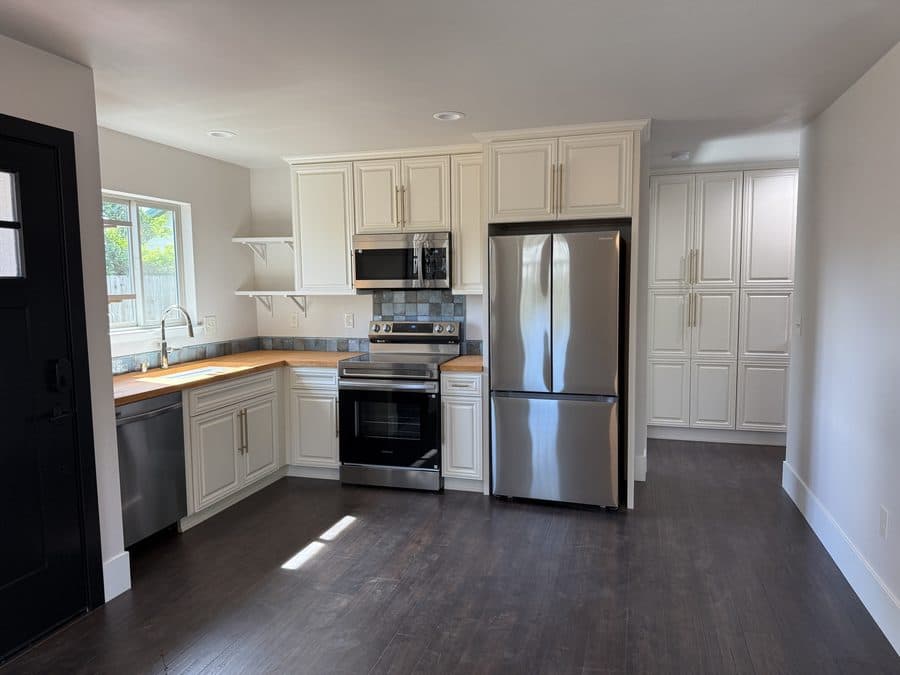
A garage conversion takes a structure you already own — an attached or detached garage — and turns it into a permitted, legal dwelling. The footprint exists. The walls exist. The roof exists. Instead of building a whole new structure, we change the use of one that's already there, which is exactly why it's the cheapest and usually the fastest ADU type. You're not paying for a new foundation, a new roof, or a new exterior shell. You're paying to make an existing box livable.
That's the line separating a conversion from the other two ADU types. A detached ADU is freestanding, poured and framed from dirt up. An attached ADU bolts new conditioned space onto your house. A conversion keeps the shell and rebuilds the inside to dwelling standards. All three are legitimate ADUs under California law — the conversion just sits at the affordable end. In Santa Clara, where a detached unit commonly runs $400K to $750K and beyond, reusing a garage shell saves the most expensive category of work — structure. But the caveat runs through this whole guide: the garage was built for a car, and making it a home means fixing every place it falls short. The shell is the gift. Habitable is the job.