CA License #1119373Licensed, Bonded & InsuredPowered by Future Generation ConstructionFuture Generation
Santa Clara · Attached ADU
One wall shared, a full second home on your Santa Clara lot.
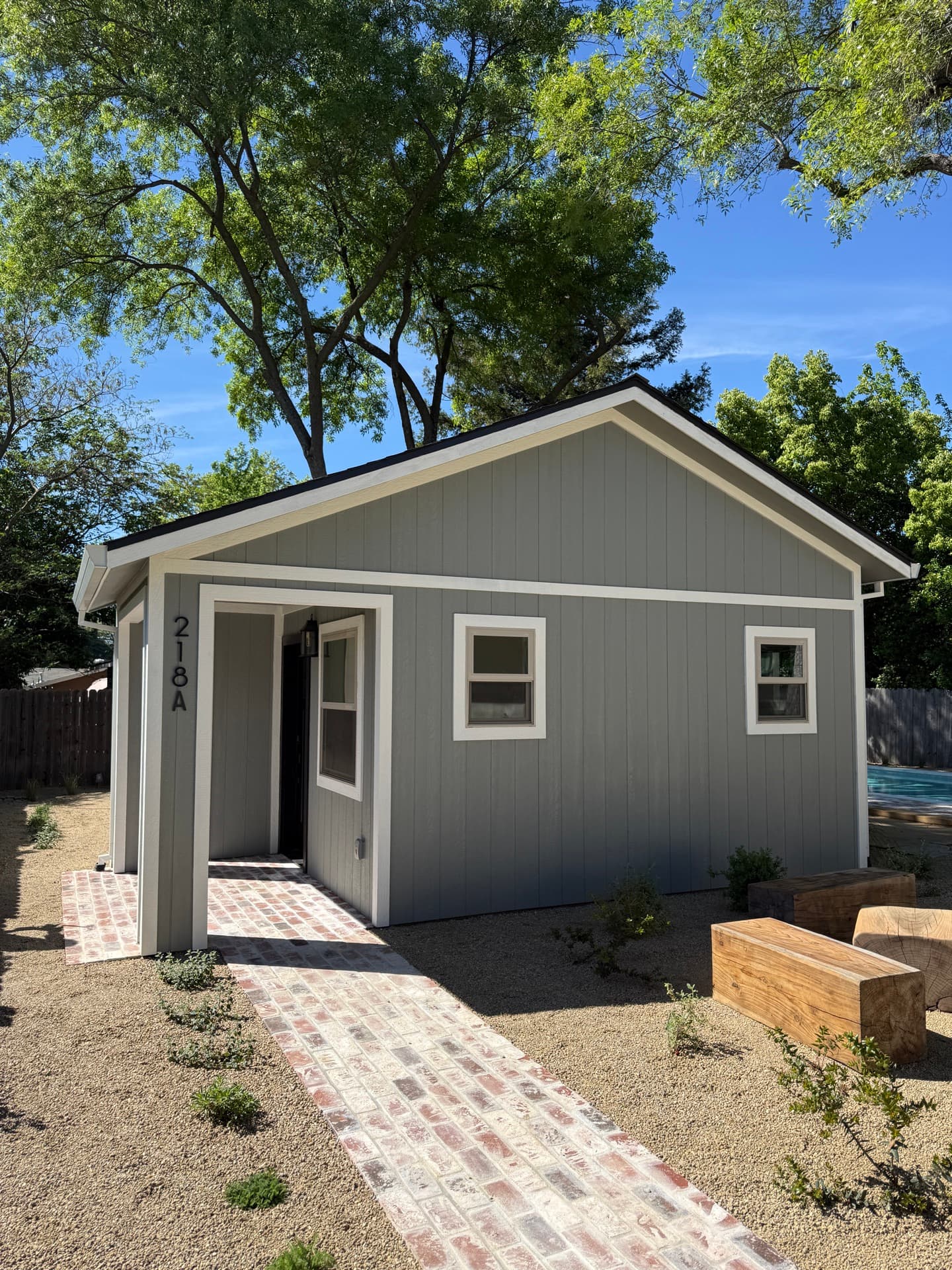
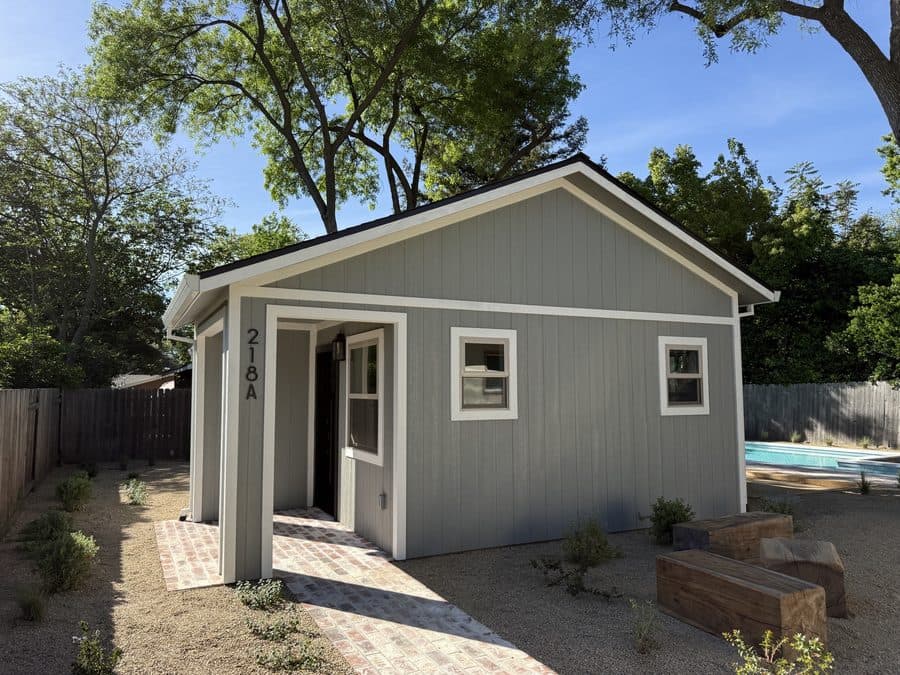
An attached ADU grows off your Santa Clara house — its own door, its own kitchen and bath — engineered for Silicon Valley seismic and tied into your existing home so the seam disappears.
Trusted by homeowners across Sacramento & surrounding areas.
Attached ADU in Santa Clara — fast facts
City
Santa Clara
ADU type
Attached ADU
Contractor license
CSLB #1119373
Free estimate
(916) 677-9774
Last updated
Joined, not freestanding
What an attached ADU really is
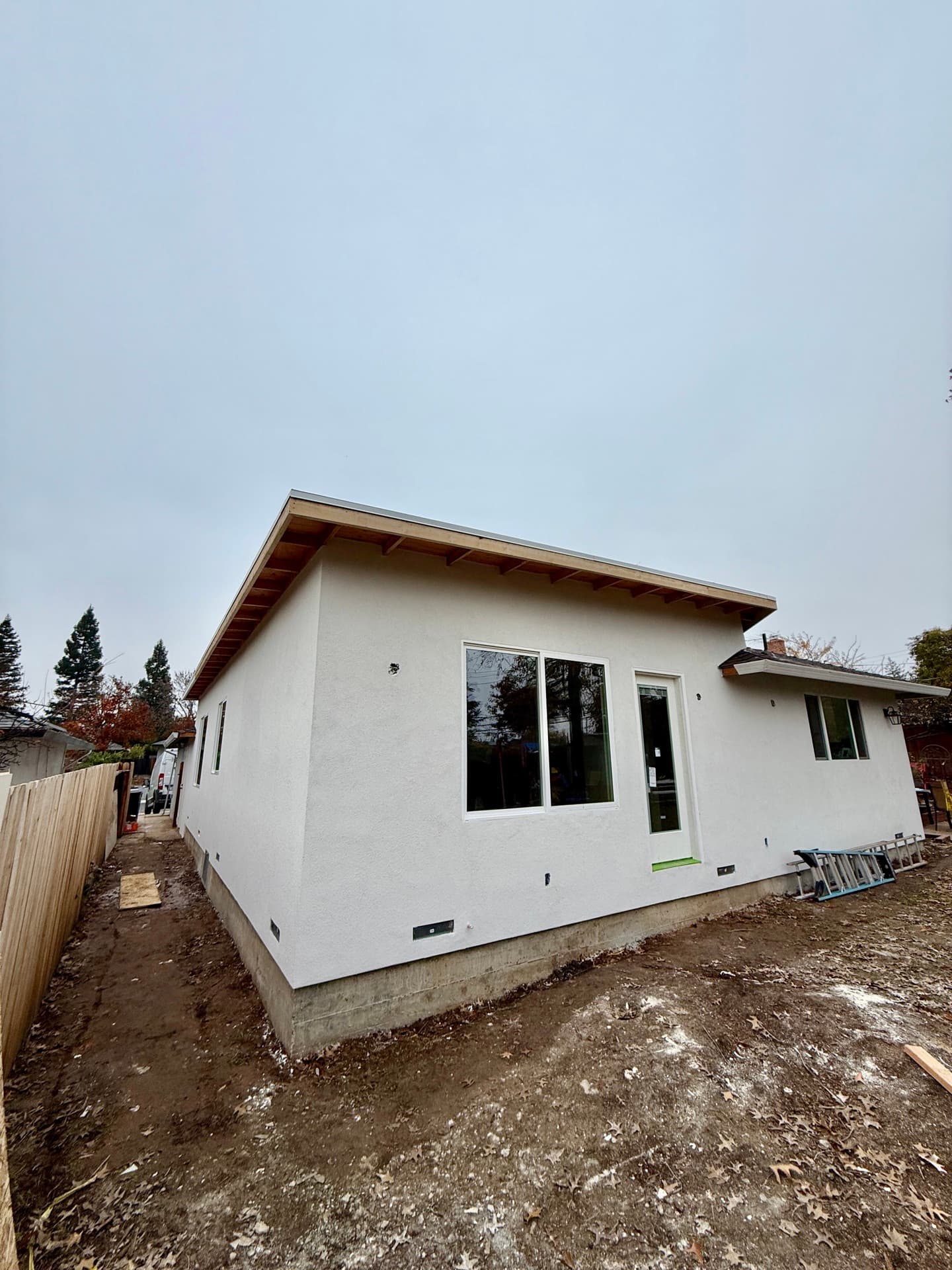
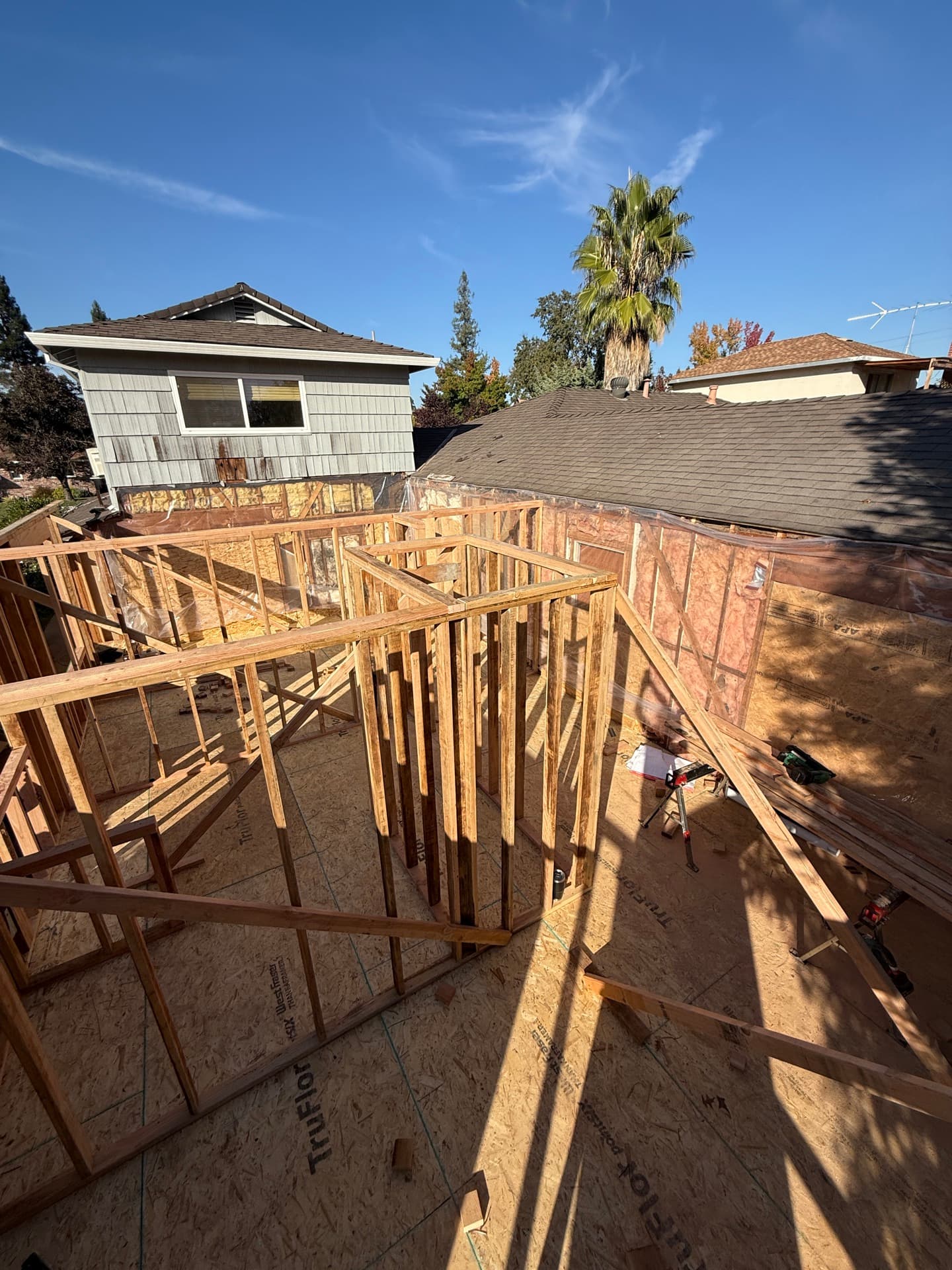
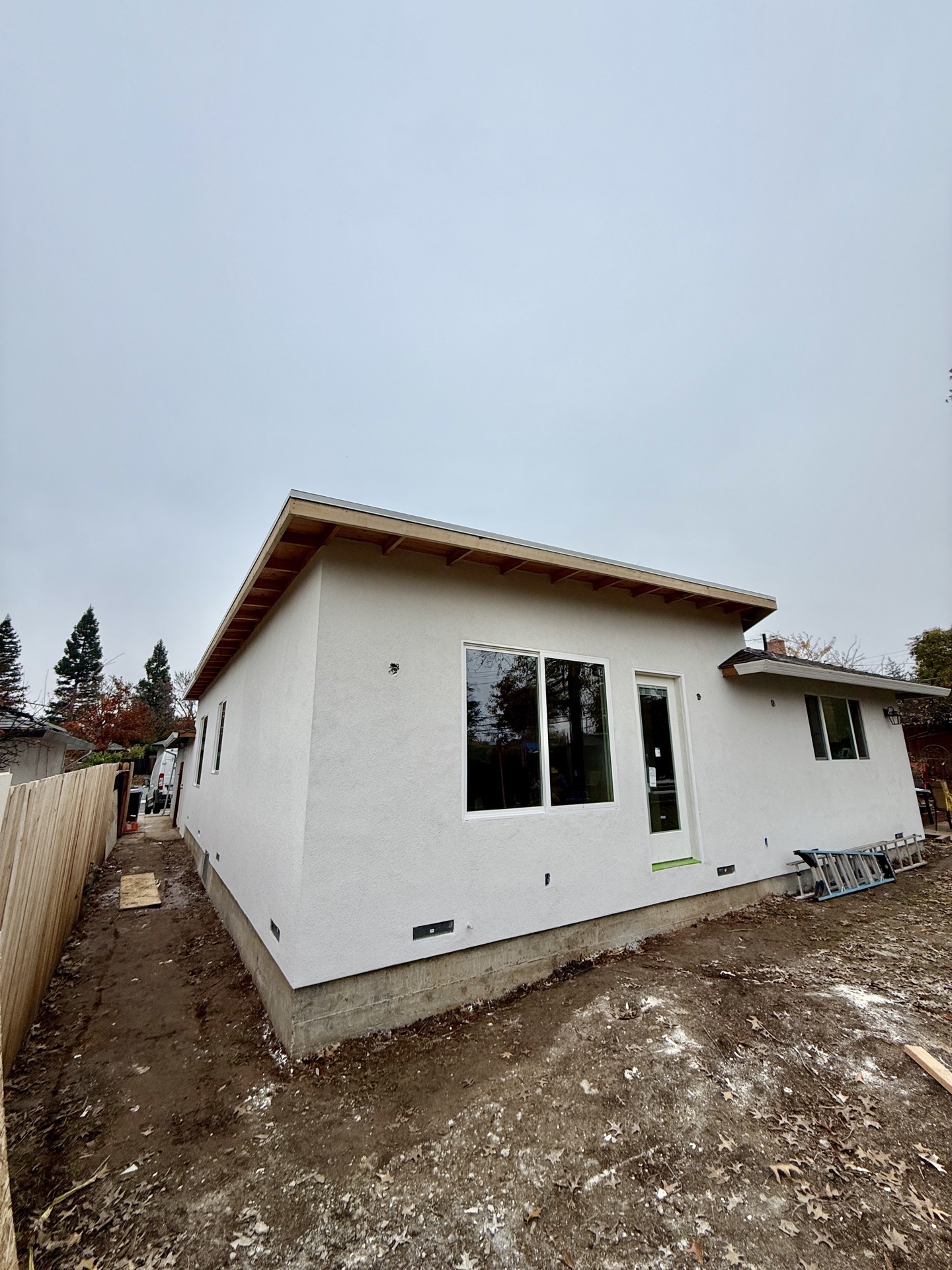
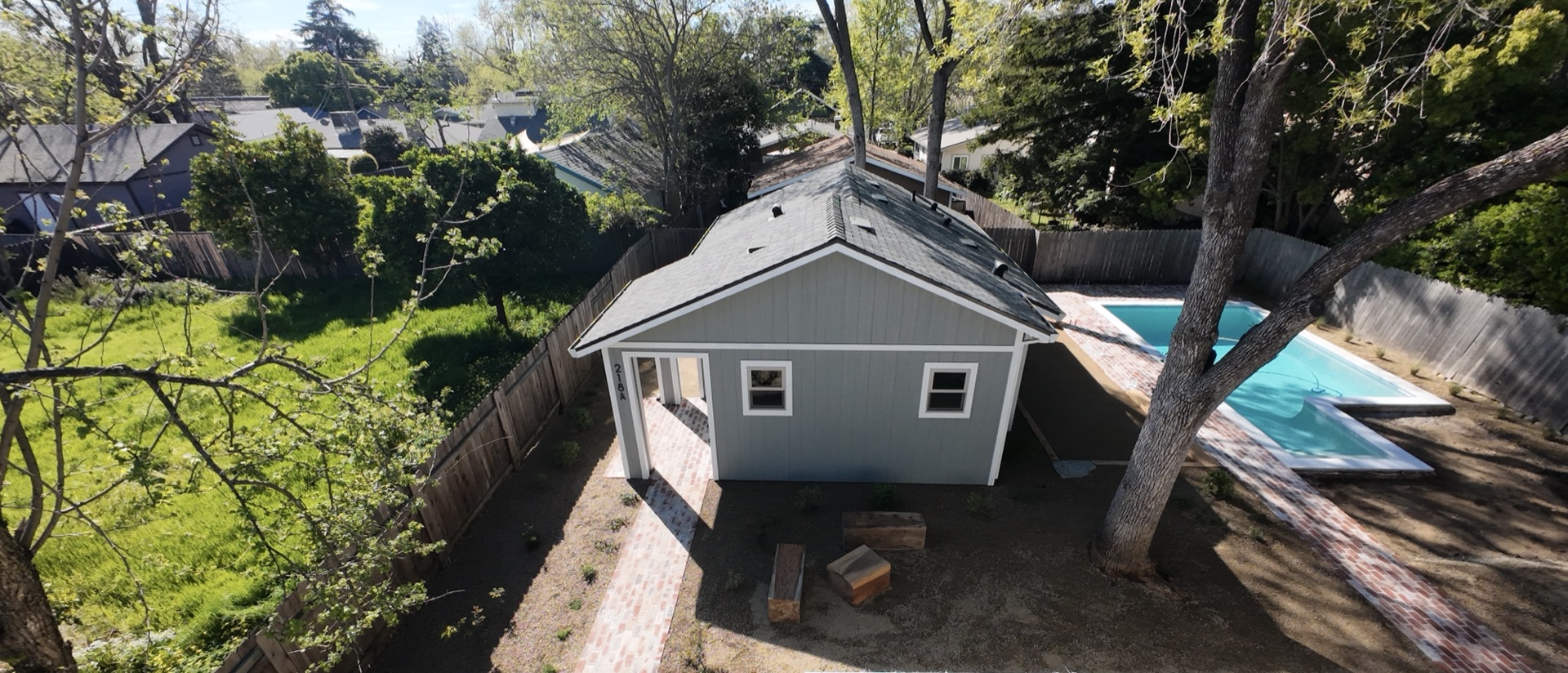
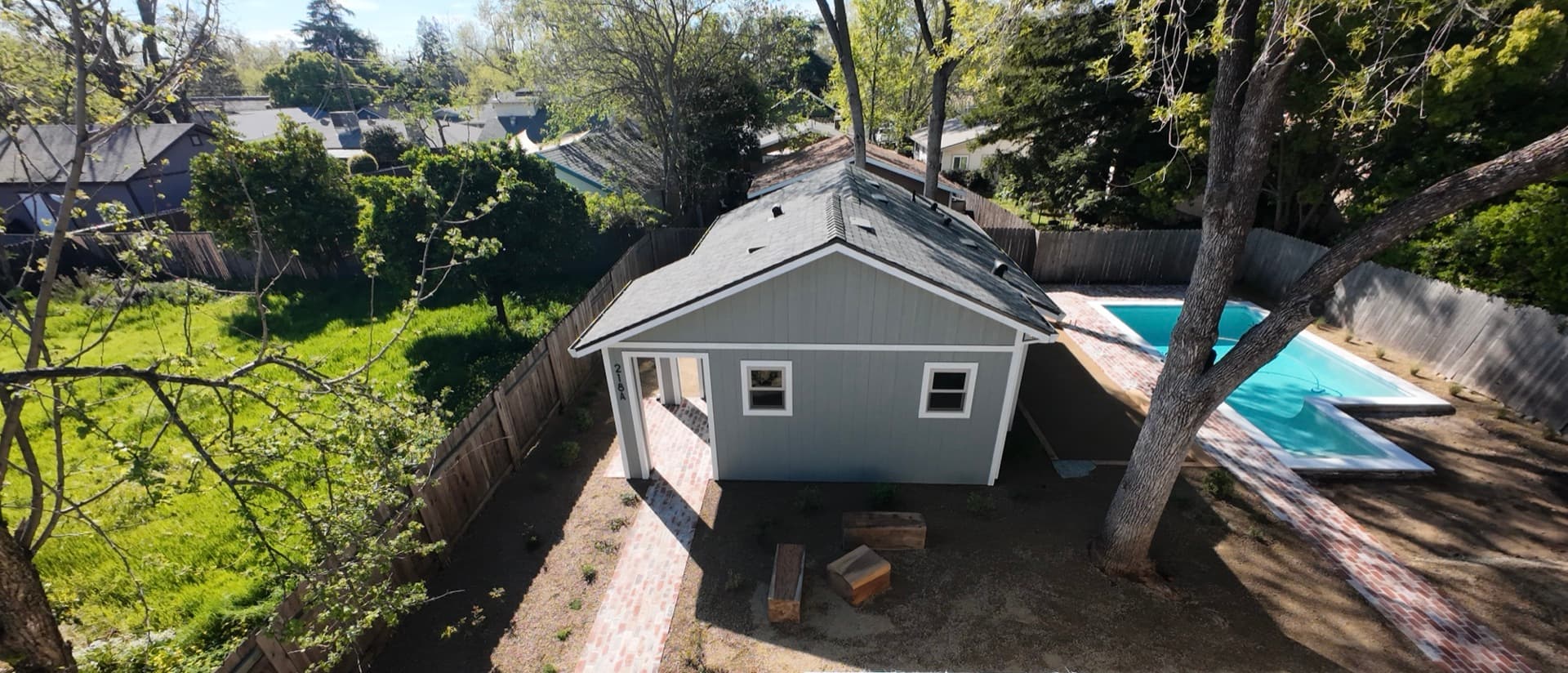
An attached ADU shares one wall with your existing Santa Clara house. That single wall is the entire difference between this and a detached cottage at the back of the lot. Past it, the unit is a complete home — a private door off the side or rear, a working kitchen, a full bath, a bedroom a tenant reaches without crossing your living room. The new build ties into your roofline, your foundation and your wall line. On the flat valley floor here, near active faults that ring the whole region, that tie-in is a structural question and not a cosmetic one. We carry the new roof into the old, match the stucco, hold the elevation lines. Nobody on the street should find the seam.
Shares one wall; everything past it is fully independent
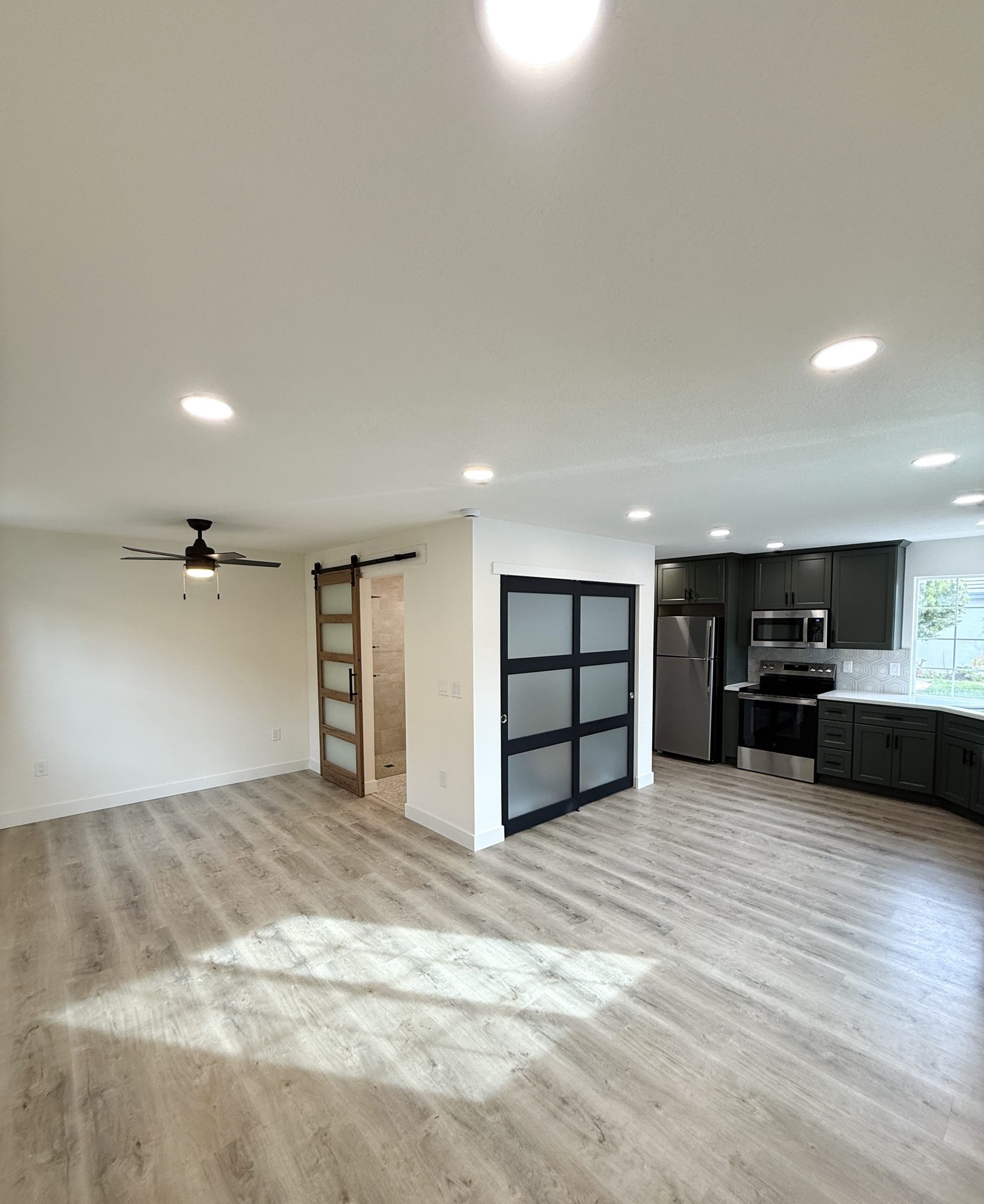
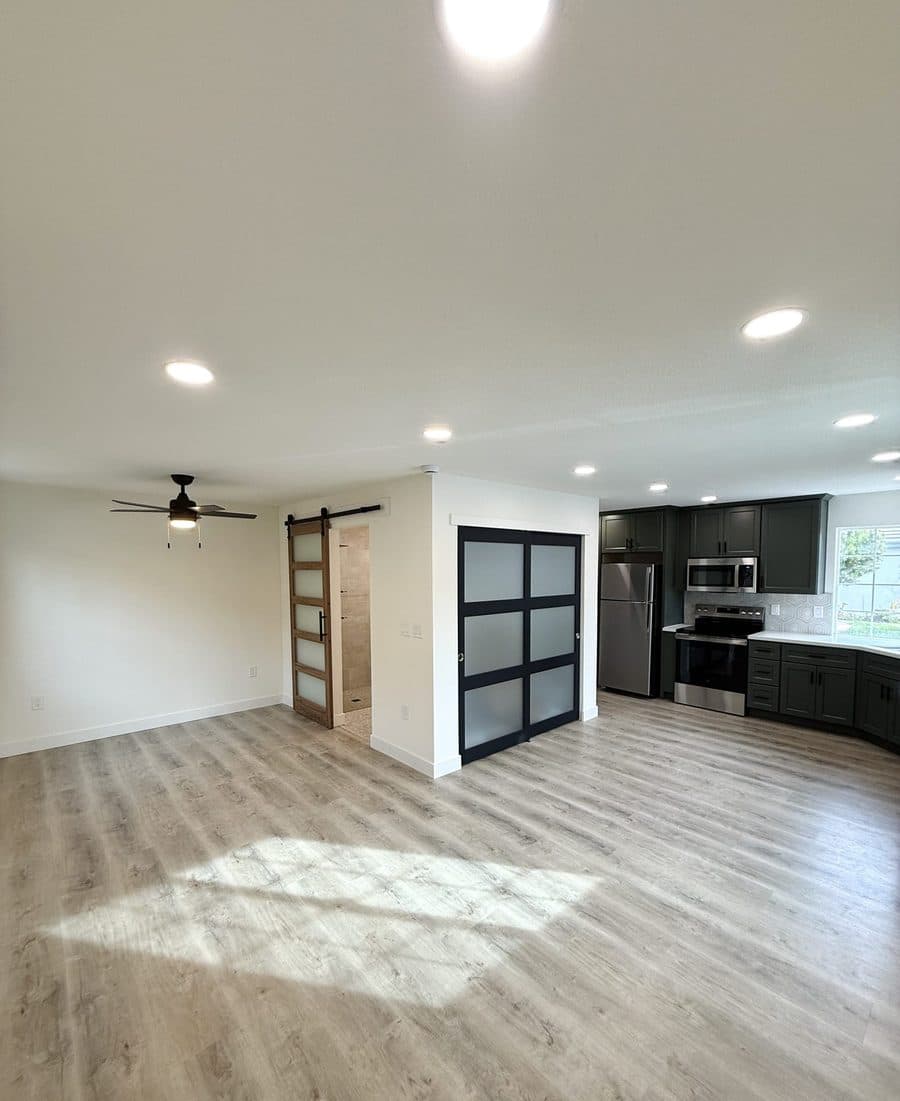
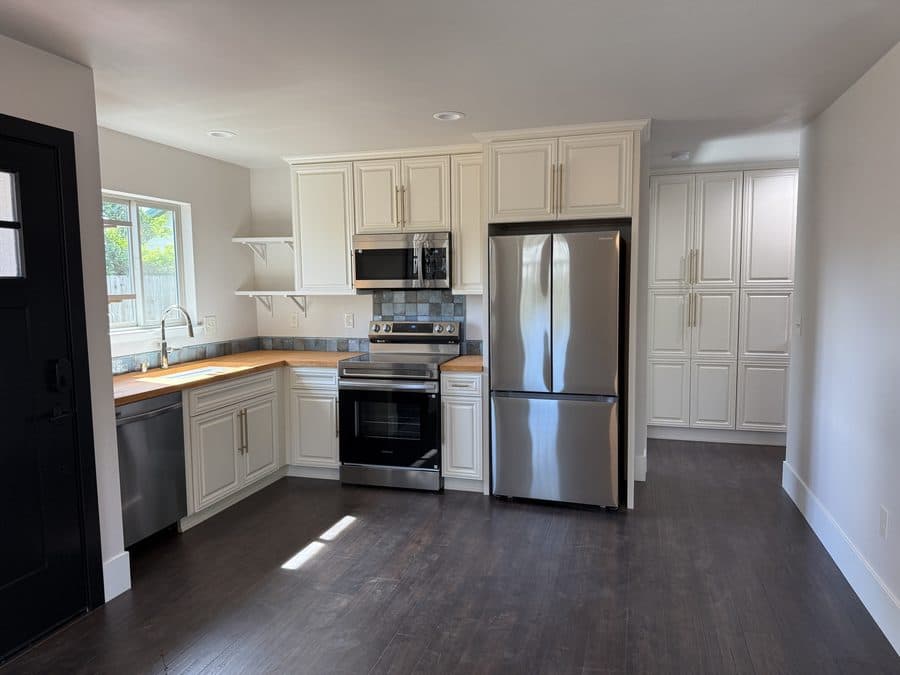
Private entrance, working kitchen, full bath, real bedroom
Ties into the existing roof, foundation and wall line
The wall between two homes
The shared-wall fire and sound assembly
Your shared wall stops being ordinary interior framing the second two separate dwellings sit on either side of it. Code wants a rated separation. Usually that's a one-hour fire assembly running floor to roof — the right gypsum layers, fireblocking at every penetration, and a sound-rated cavity so your tenant isn't living inside your television. This is the part that surprises people. Open the wall on a mid-century Old Quad or Killarney Farms ranch and you'll often find thin insulation and old wiring that won't carry the rating as it sits. So the existing wall usually needs work too — not just the new side. We draw the assembly on the plans, build it to the listed spec, and the inspector signs off on a wall that actually performs.
One-hour rated separation between the two dwellings
Sound-rated cavity so neither household hears the other
Existing wall often needs upgrading to hit the rating
City of Santa Clara permits
Permitting an attached ADU in Santa Clara
Your permit files with the City of Santa Clara — its own counter, its own pace, its own fee schedule. Set expectations early: Bay Area review runs slower and pricier than what we see back in Sacramento. Attached units draw an extra look, because reviewers study how the addition connects to your existing house, so your home's as-built condition matters more than it would on a detached build. There's a local quirk worth knowing too — Santa Clara runs its own municipal electric, Silicon Valley Power, so your hookup is coordinated city-side rather than through PG&E, though gas still comes from PG&E. State law keeps ADU review ministerial, but a thin submittal buys correction cycles you'll feel in months, not weeks.
City of Santa Clara review — slower and pricier than Sacramento
Electric hookups run through city-owned Silicon Valley Power
A complete, code-compliant set keeps review ministerial
Shared utilities, real savings
Why the shared wall costs you less
The reason an attached ADU usually pencils cheaper than a detached one is right there in the name. You tap the electric service, the water line and the foundation already running to your Santa Clara house, instead of trenching the whole lot to reach a freestanding cottage. That matters here, where detached units commonly land between $400K and $750K and up. The shared wall is how you knock a real chunk off that number. One honest caveat: cross 750 square feet and the City can require a separate water meter, and Silicon Valley Power may want a panel upgrade before a second all-electric kitchen's load goes live. An attached unit also fits a tighter side yard than a detached cottage needs — handy on a modest Old Quad or Rivermark parcel.
Taps the existing foundation, electric service and water line
Cross 750 sq ft and a separate water meter can apply
Fits a tighter side yard than a detached build needs
Build Smart. Invest Wise.
Build Your ADU. Your Investment, Your Future.
From design to move-in, we handle everything. Transparent pricing, on-time delivery, and uncompromising quality.
Custom Designs
Tailored to you
Built to Last
Premium materials
Fast Turnaround
On-time delivery
Full-Service
From start to finish
30+
Years of Experience
120+
ADU Projects Completed
100+
Happy Homeowners
Built for Value. Designed for Life.
Trusted by homeowners across Sacramento & surrounding areas.
ADU Estimator
Know Your Numbers Before You Commit
Get an instant estimate of construction cost, rental income, ROI, and timeline. No email required to see your number.
“Every ADU we build is designed to add long-term value and open new possibilities for your property. Let's build something great together.”
— Tim, ADU Specialist
Custom Designs
Built to fit your property & needs
Turnkey Process
We handle permits, plans & everything
Built to Last
Quality craftsmanship that stands the test
Financing Made Simple
$0 Down Options. Build Now, Pay Over Time.
You shouldn't have to drain your savings to build wealth. We partner with trusted ADU lenders to find financing that fits — many homeowners build with little to nothing out of pocket.
Home Equity (HELOC)
Tap your existing equity at competitive rates — the most popular way to fund an ADU.
Renovation Loans
Finance the build against your home's projected after-completion value.
ADU-Specific Financing
Specialized lenders who underwrite based on the rental income your ADU will produce.
Cash-Out Refinance
Roll the project into a new mortgage and keep one simple monthly payment.
Estimate Your Monthly Payment
See what financing your ADU could look like — and how rental income can help cover it.
$180,000Loan amount
Credit Score
Very good · 700–739
Estimated Monthly Payment
$1,320/mo
At 7.99% APR over 30 years (illustrative)
Often offset by $2,000–$3,500/mo in rental income
No prepayment penalties with most partners
Pre-qualification with no impact to your credit
Illustrative only — not a loan offer. Actual rates and terms are set by third-party lenders based on your qualifications.
Service areas
Where we build
Headquartered in the Greater Sacramento Area and serving homeowners from the Sierra foothills down through the Bay Area. Don't see your city? We probably still get there — just ask.
The most common things Sacramento homeowners ask before starting an ADU project.
An attached ADU shares one wall with your existing house. A detached unit stands alone in the yard. That shared wall is the whole difference — it lets the new unit borrow your foundation, your electric service and your water line, which usually makes it cheaper than a freestanding cottage on the same Santa Clara lot. In a market where detached units commonly run $400K to $750K and up, that gap is not small. An attached unit also fits a narrower side yard, which helps on the modest parcels around the Old Quad, Killarney Farms and the Santa Clara University area where you don't have open ground on all four sides. Some Rivermark and infill lots do leave room for detached work, so we'll tell you straight which one your property actually wants.
With the City of Santa Clara. The City handles ADU permits directly, and we file the full set: site plan, floor plan, elevations, the structural tie-in and foundation details, Title-24, MEP, seismic design and the Silicon Valley Power coordination. Bay Area permitting is slower and the fees run higher than inland counties, so we budget for both going in. State law keeps ADU review ministerial, which means a complete, code-compliant set has to get issued. The whole game in Santa Clara is turning in a clean, complete set so you're not stuck in correction cycles that drag on for months.
The city. Santa Clara is one of the few Bay Area cities that runs its own municipal electric utility, Silicon Valley Power, the same way Palo Alto does its own. That's actually good news for you: city-run power tends to be cheaper than PG&E, and the hookup is coordinated through the City rather than a regional utility queue. Gas, if you're keeping any, still comes from PG&E. So an attached unit here usually means tapping your existing Silicon Valley Power service for the new kitchen and HVAC. If we cross a load threshold, the panel upgrade gets coordinated city-side, and we plan that into the drawings up front.
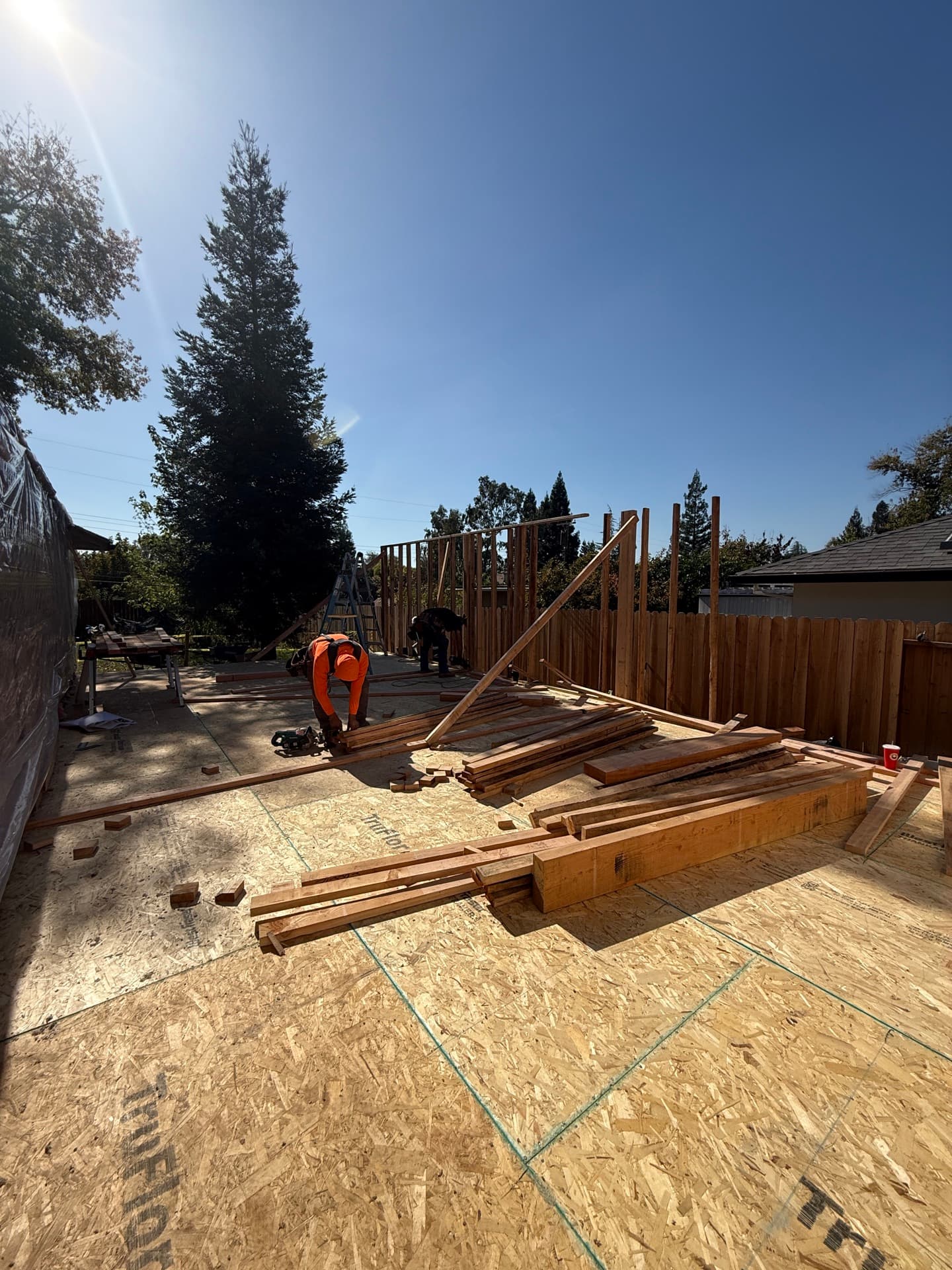
It does, and in this region it's not theoretical. Santa Clara sits on the flat valley floor, but the whole area is ringed by active faults, and seismic design shapes the structure from the first framing decision. Your new unit gets engineered shear walls, hold-downs and a foundation detailed for ground shaking, and the tie-in to your existing house has to move with the main home in a quake instead of tearing away from it. On an attached unit that connection point is exactly where the seismic detailing earns its keep. The flat valley-floor soil usually drives a soils-informed foundation, so we design to the report rather than a generic detail.
Once two separate dwellings sit on either side of a wall, code wants it rated — typically a one-hour fire assembly running floor to roof, with the correct gypsum layering and fireblocking at every penetration. We also build a sound-rated cavity into it so your tenant isn't listening to your living room. On the mid-century ranch homes we open up around the Old Quad and Killarney Farms, the existing wall often needs upgrading to carry the rating — thin insulation and dated wiring won't do it as-is — and we catch that on the plans rather than mid-build.
At and above 750 square feet the City can require a separate water meter for the ADU instead of letting it ride on your existing service. Below that line, you usually share. Silicon Valley Power may also want a panel upgrade before you add a second all-electric kitchen's load. We size the unit knowing exactly where both lines sit, so you're not tripping a meter requirement to gain a handful of square feet you didn't actually need. On Santa Clara's higher fee schedule, every avoidable trigger is worth dodging.
That's the honest question, and the answer is usually yes — because of the rents. Bay Area ADU construction is a different planet from Sacramento; detached units commonly land $400K to $750K and up. But Santa Clara rents are far higher too, and demand is heavy. Nvidia's headquarters sits right here, Levi's Stadium pulls activity into the city, and the wider Silicon Valley tech corridor keeps well-paid renters looking for housing close to work. A quiet unit with its own entrance fills fast. An attached unit cuts the build cost by sharing your wall and utilities, so you pay less in and collect the same high rent out.
Straight answer: we're based in Sacramento, about 2.5 hours from Santa Clara, and we extend down here for homeowners who want our craftsmanship and value, or for larger projects worth the drive. We're not pretending to be the corner outfit who's done a hundred jobs on your block. What we bring is design-build discipline, real seismic and shared-wall experience, and a Sacramento pricing sensibility applied to a market where local quotes can run wild. For the right Santa Clara project, the roughly two-and-a-half-hour drive pays for itself.
Longer than Sacramento, and I won't dress that up. Bay Area permitting is slower in practice, and the higher fee schedule and seismic review add steps inland jobs don't see. A clean, complete attached set keeps you out of correction loops, which is the single biggest schedule lever here. Construction depends on the tie-in, the soil, the Silicon Valley Power coordination and the seismic work. We give you a real schedule after we see the lot, the soil and how your house sits on it — not a generic number off a brochure.
That's the point of doing it right. We match the stucco or siding, carry the elevation lines across and tie the new roofline into your existing roof so the addition reads as part of the original home. Santa Clara is mostly flat, dense, mid-century ranch homes with newer infill mixed in — Old Quad, the university area, Rivermark, Killarney Farms each carry their own character — and we match whatever yours is. Someone walking past shouldn't be able to find the seam between the old house and the new unit. On an attached build that match is most of the craft.
Other services
Not quite the right fit?
Every Sacramento ADU project is different. Here are the other paths we build under one roof — and we're happy to talk through which one fits your lot best.
We treat every home like it's our own — quality work, clear communication, and happy homeowners.
PaulOwner · Future Generation
9 min read2,003 words8 sections
Building an Attached ADU in Santa Clara, Silicon Valley
An attached ADU in Santa Clara borrows one wall from your existing house and turns the rest into a separate, legal home — its own entrance, kitchen and bath. We're a Sacramento design-build contractor, license #1119373, about 2.5 hours north. That distance is the first honest thing on this page. We extend down to Santa Clara for owners who want our craftsmanship and value, or for projects big enough to earn the drive. What follows is how we think about attached units here, where the city's own power utility and its permitting change the math, and where it gets harder than the brochure admits.
01Section
What "attached" actually buys you
The word attached carries the whole concept. Your new unit shares precisely one wall with your existing Santa Clara house and is otherwise a complete, independent home — a private door off the side or rear, a working kitchen with its own range and sink, a full bath, and a bedroom a tenant reaches without stepping into your space. That single shared wall is the only thing tethering the two homes. Everything else stands on its own.
That one connection is why people pick attached over detached. You're not setting a freestanding cottage at the back of a high-value lot and trenching utilities the length of the parcel to reach it. You grow off the house already standing, leaning on the foundation, the panel and the water line already there. On a Santa Clara lot — valuable, often modest, flat as a table — that sidesteps a lot of the site's difficulty before you've poured anything.