CA License #1119373Licensed, Bonded & InsuredPowered by Future Generation ConstructionFuture Generation
Placerville · Detached ADU
A freestanding backyard unit, built for Hangtown's hills.
Its own foundation, its own roof, real separation from the main house — a true detached ADU sited for Placerville's grades, its granite, and the fire-zone rules most builders skip past.
Trusted by homeowners across Sacramento & surrounding areas.
Detached ADU in Placerville — fast facts
City
Placerville
ADU type
Detached ADU
Contractor license
CSLB #1119373
Free estimate
(916) 677-9774
Last updated
Stands alone, shares nothing
A detached unit is its own building
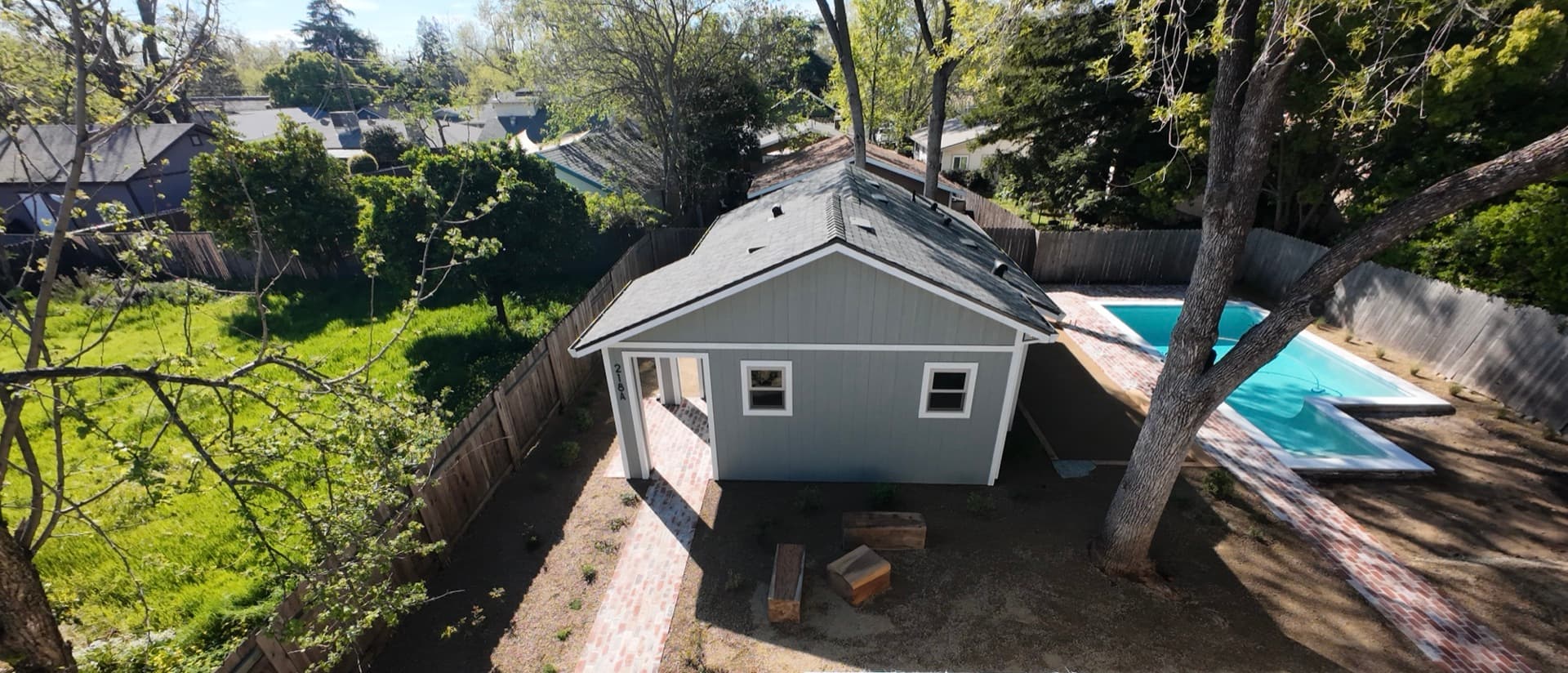
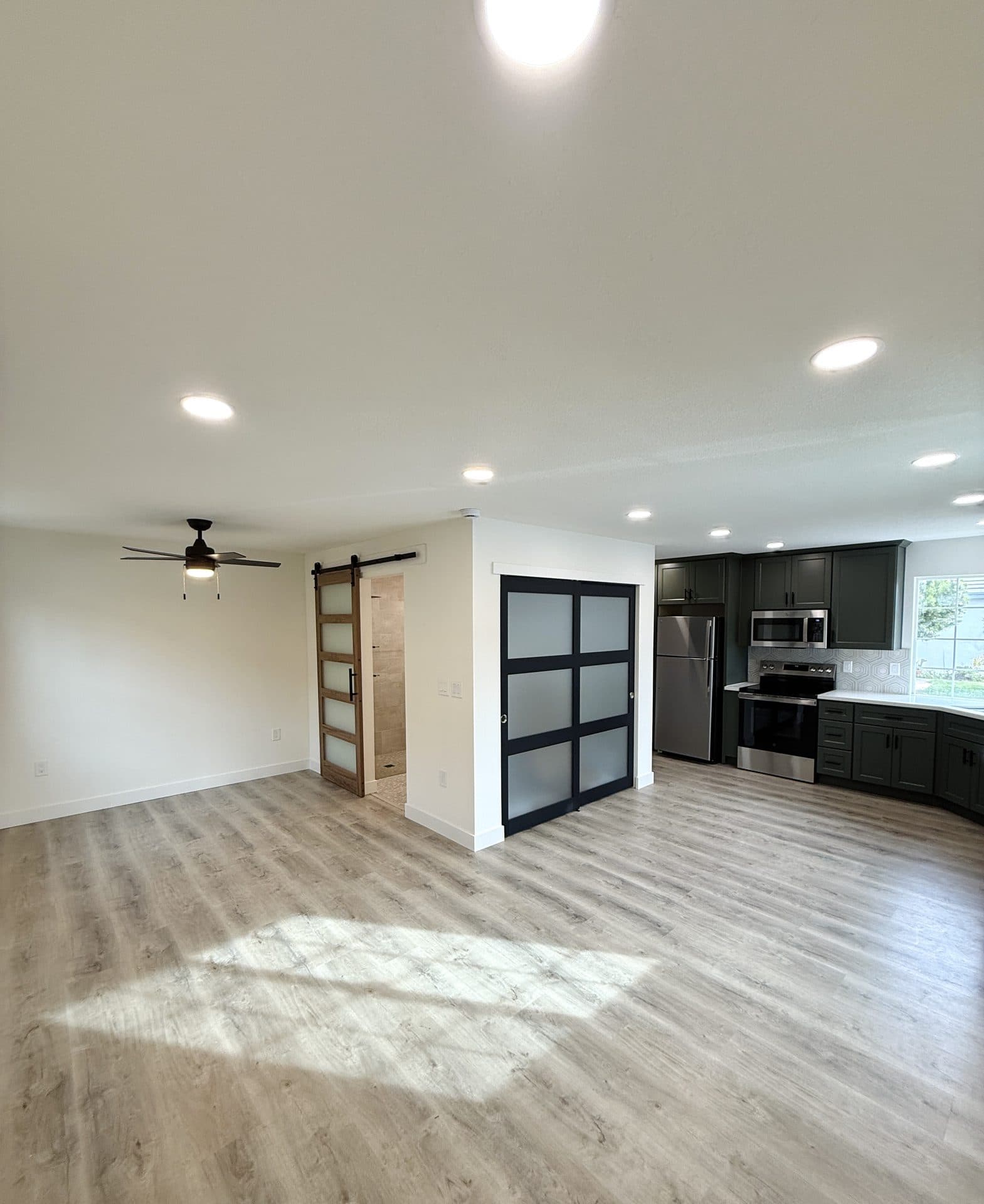
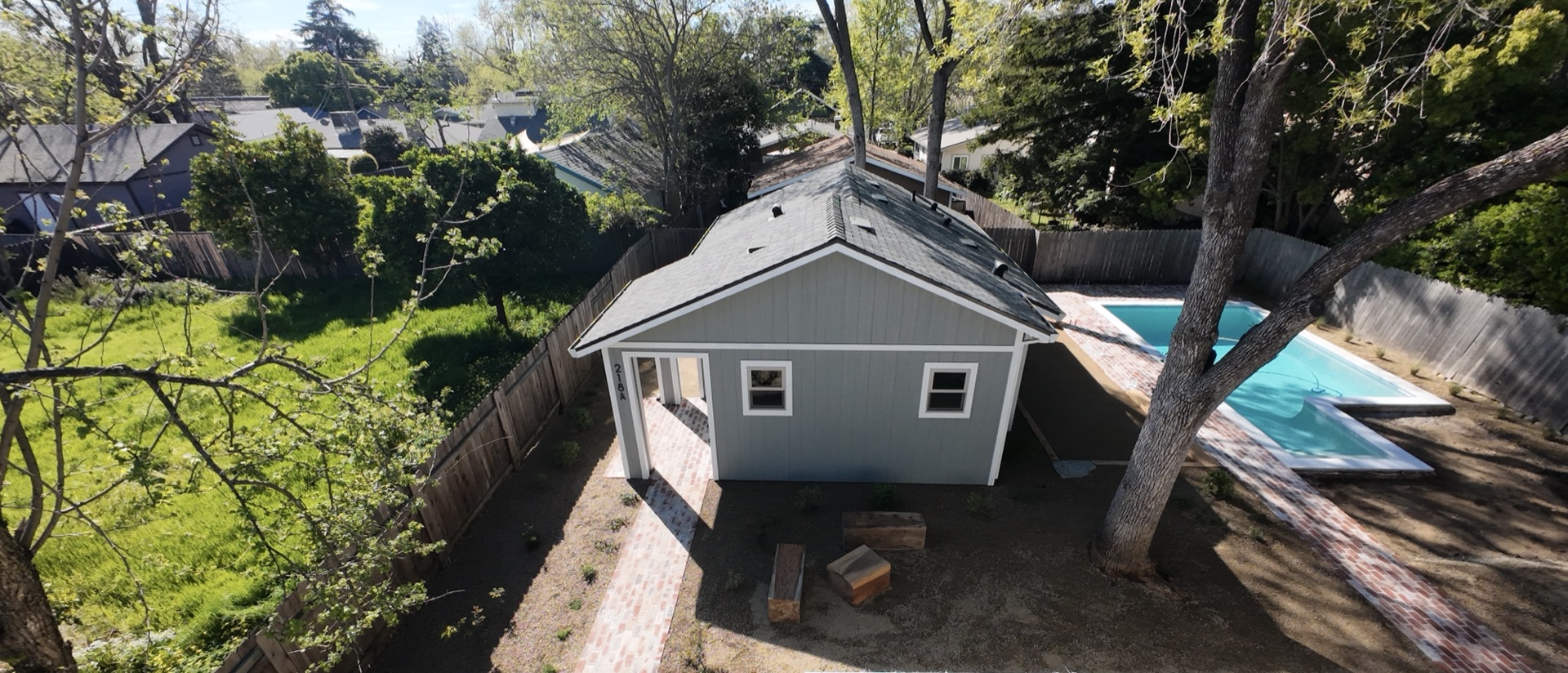
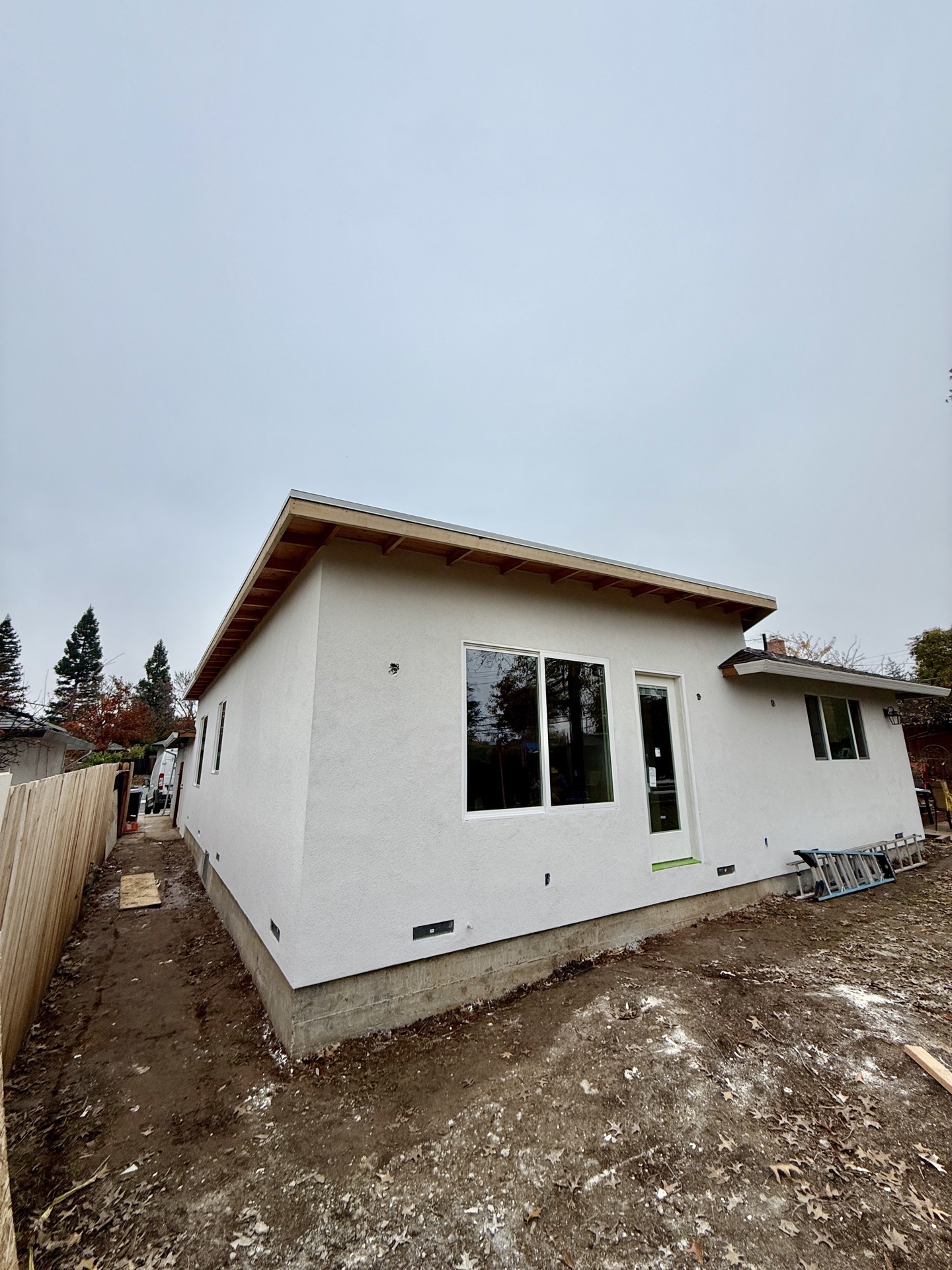
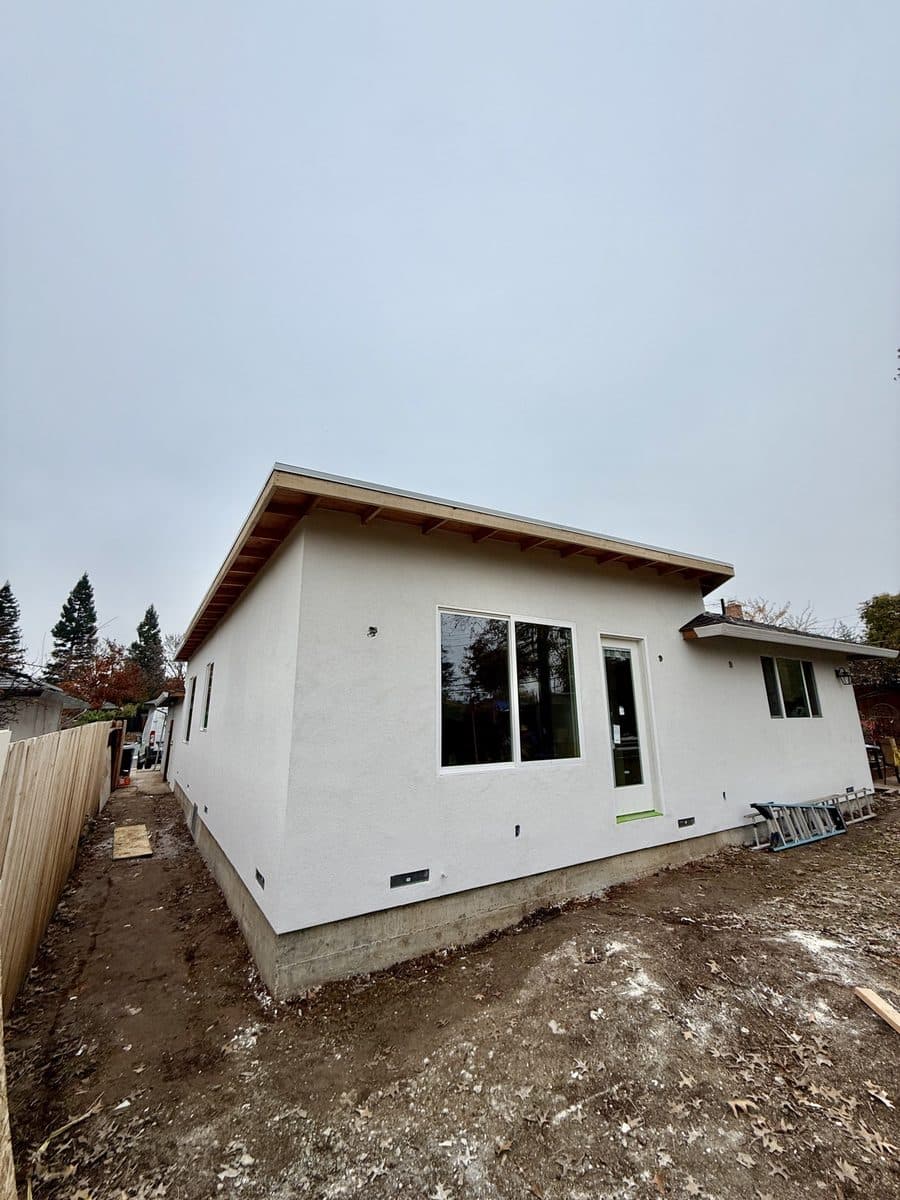
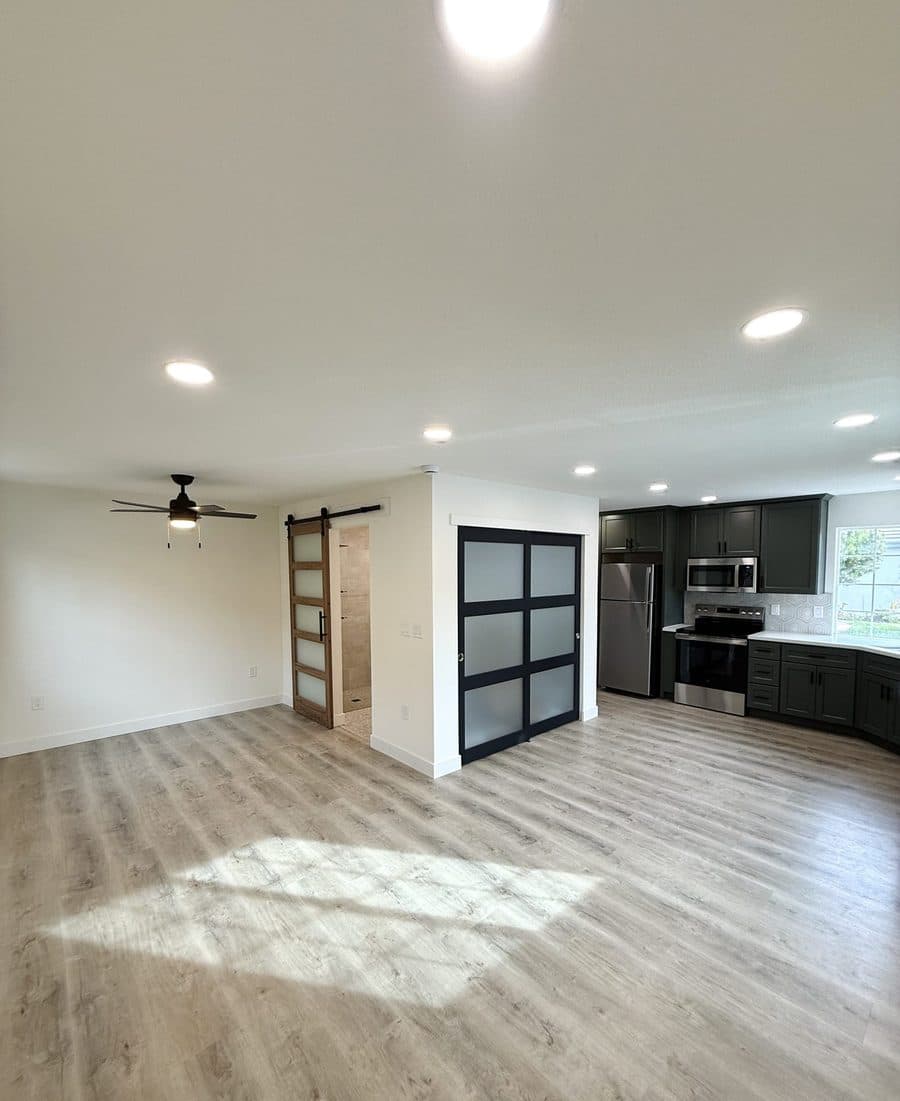
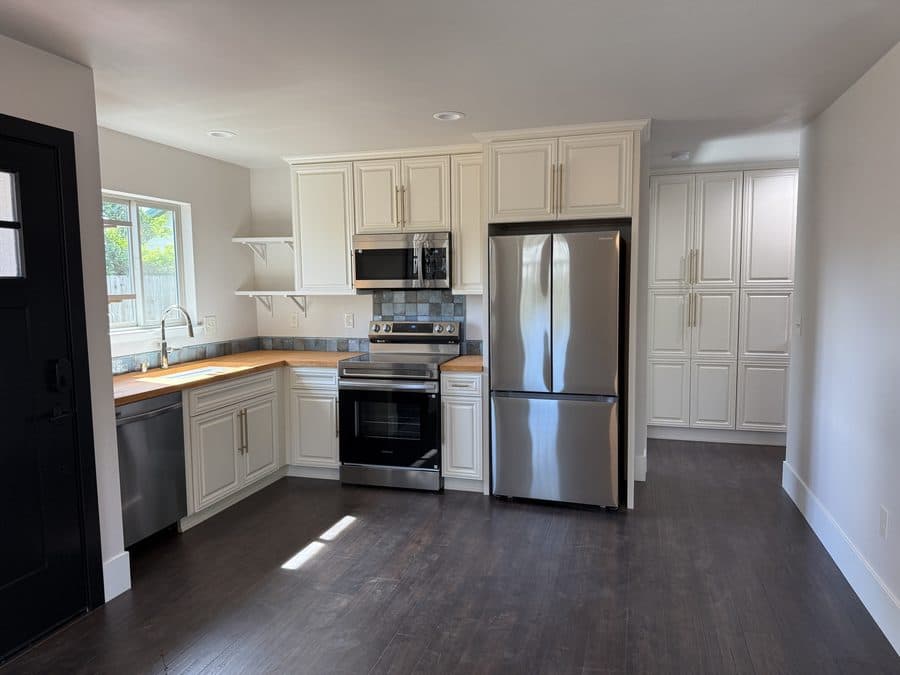
The thing that makes a detached ADU worth the money is also the thing that makes it the hardest type to build — it shares nothing with your house. Own slab. Own walls. Own roof. We set a 612 sq ft unit on a lot off Cedar Ravine that dropped away toward the gully, and because it stood completely free we stepped it down the grade and aimed the windows at the oaks instead of the fence. That freedom is the whole reason Placerville owners go detached. You pay for it with a second foundation, a separate roof, and a materials path that runs from a narrow old street down to the back of a foothill lot. We map every foot of that before you sign.
Independent foundation, framing, roof and exterior envelope
Sited and stepped for the grade, the oaks and the main-house sightline
Most flexible ADU type — but a full ground-up build, not a conversion
City of Placerville permitting
Placerville is the county seat
Placerville is an actual incorporated city — and it's the El Dorado County seat, so the county offices sit right downtown. Your detached ADU permit goes through the City of Placerville building department, unless your address falls on an unincorporated edge, where it routes to El Dorado County instead. We confirm which one owns your parcel before we draw a line. There's a wrinkle the valley doesn't have: El Dorado County's process runs slower than the valley counties, and it wants Title-24 energy sign-off before the slab pour, not after. Miss that order and your concrete waits. And if you're anywhere near Main Street, you may sit inside the historic district, where design review on the 1800s buildings is genuinely strict.
Reviewed by the City of Placerville — El Dorado County for the edges
Title-24 energy sign-off must clear before the slab pour, not after
Main Street historic-district design review is strict on the old town
Access, slope, PG&E and granite
Getting power and material to the pad
Everything that builds a detached unit has to physically reach the pad, and in Placerville that pad is usually downhill and over rock. On a flatter parcel near town it's straightforward. Up toward Apple Hill or out on the ridges you're into real Sierra-foothill ground at around 1,900 feet — steeper slopes, grading to cut a level pad, often a retaining wall, and a trench through decomposed granite. Hit solid granite under the footing and you're into rock excavation, the single line that moves a Placerville budget the most. Power is PG&E up here, with its own service application and meter timeline. Older downtown lots sit close together with tight access; foothill lots run long. We shoot grades and probe the soil before we price anything.
Slope grading, level pad and likely retaining wall planned upfront
Rock excavation through granite flagged before the trench, not after
PG&E service, panel and meter coordination — Placerville is PG&E territory
The Placerville fire-zone reality
Fire-zone construction is a real cost
Here's the Placerville-specific thing most contractors skip until plan check bites: much of the area sits in a state-mapped fire hazard severity zone, in the wildland-urban interface. So a detached ADU here usually has to meet Chapter 7A ignition-resistant construction — ember-resistant vents, fire-rated siding and eaves, tempered glazing — plus defensible-space clearance around the unit. That's not a nuisance line we tack on at the end. It's real cost and a real design input, and we fold it in from the first site visit instead of letting it ambush you mid-build. A 600-ish sq ft unit built to 7A runs above a non-zone build, and we'll hand you that gap before you commit, not after the footings are in.
Chapter 7A ignition-resistant materials priced from day one
Ember-resistant vents, fire-rated siding and eaves, tempered glazing
Defensible-space clearance folded into siting, not an afterthought
Build Smart. Invest Wise.
Build Your ADU. Your Investment, Your Future.
From design to move-in, we handle everything. Transparent pricing, on-time delivery, and uncompromising quality.
Custom Designs
Tailored to you
Built to Last
Premium materials
Fast Turnaround
On-time delivery
Full-Service
From start to finish
30+
Years of Experience
120+
ADU Projects Completed
100+
Happy Homeowners
Built for Value. Designed for Life.
Trusted by homeowners across Sacramento & surrounding areas.
ADU Estimator
Know Your Numbers Before You Commit
Get an instant estimate of construction cost, rental income, ROI, and timeline. No email required to see your number.
“Every ADU we build is designed to add long-term value and open new possibilities for your property. Let's build something great together.”
— Tim, ADU Specialist
Custom Designs
Built to fit your property & needs
Turnkey Process
We handle permits, plans & everything
Built to Last
Quality craftsmanship that stands the test
Financing Made Simple
$0 Down Options. Build Now, Pay Over Time.
You shouldn't have to drain your savings to build wealth. We partner with trusted ADU lenders to find financing that fits — many homeowners build with little to nothing out of pocket.
Home Equity (HELOC)
Tap your existing equity at competitive rates — the most popular way to fund an ADU.
Renovation Loans
Finance the build against your home's projected after-completion value.
ADU-Specific Financing
Specialized lenders who underwrite based on the rental income your ADU will produce.
Cash-Out Refinance
Roll the project into a new mortgage and keep one simple monthly payment.
Estimate Your Monthly Payment
See what financing your ADU could look like — and how rental income can help cover it.
$180,000Loan amount
Credit Score
Very good · 700–739
Estimated Monthly Payment
$1,320/mo
At 7.99% APR over 30 years (illustrative)
Often offset by $2,000–$3,500/mo in rental income
No prepayment penalties with most partners
Pre-qualification with no impact to your credit
Illustrative only — not a loan offer. Actual rates and terms are set by third-party lenders based on your qualifications.
Service areas
Where we build
Headquartered in the Greater Sacramento Area and serving homeowners from the Sierra foothills down through the Bay Area. Don't see your city? We probably still get there — just ask.
The most common things Sacramento homeowners ask before starting an ADU project.
Most likely the City of Placerville. Placerville is incorporated — it's the El Dorado County seat — so it runs its own building department, and your detached ADU permit, plan check, and inspections go through the city. The catch is the city limit: if your parcel actually sits on an unincorporated foothill edge just outside Placerville, your file routes to El Dorado County instead, on a different schedule. People assume a Placerville mailing address means city jurisdiction, and that isn't always so. We confirm which agency owns your specific parcel on the first visit, before any drawing starts, so the whole package is built for the right counter.
Because it is, and it's worth budgeting for. El Dorado County and the City of Placerville run a smaller, more deliberate review than the high-volume valley counties, so plan check and corrections take longer here than they would in Elk Grove or Roseville. The one that catches people out: they want Title-24 energy sign-off before the slab pour, not after. In the valley you often pour and reconcile energy compliance later — try that here and your concrete sits while the energy review clears. We sequence the submittal so Title-24 is locked before we ever schedule the pour, which keeps the foundation on its date instead of stalled.
Quite possibly. Much of the Placerville area falls inside a state-mapped fire hazard severity zone and the wildland-urban interface, and a detached ADU built there has to meet Chapter 7A ignition-resistant construction. Plainly: ember-resistant vents, fire-rated siding and eaves, tempered glazing, and defensible-space clearance around the finished unit. It's the single Placerville cost most builders forget to mention until plan check forces it. We don't. We check the official zone map for your address on the first visit and price the 7A package into the proposal from the start, so it lands as a planned line rather than a surprise that wrecks your budget partway through.
PG&E. Not SMUD. SMUD covers the Sacramento valley and stops well short of the foothills, so up here the service drop, any panel upgrade, and the new meter for your detached ADU all run through PG&E's application process — its own forms, its own timeline. On a long or sloped lot, the run from the main panel to a unit set well back can be substantial, and if your existing service sits near capacity, you're often looking at a panel upgrade before the unit can be energized. We engage PG&E early, while the foundation cures, so the meter isn't the last thing holding up your final sign-off.
It can, and it's the biggest budget wildcard in Placerville. These foothills run on decomposed granite, with solid outcrops in plenty of yards, and a detached ADU carries its own new foundation plus a fresh utility trench — both digging into that ground. Hit solid rock and you're into rock excavation: hoe rams, sometimes rock saws, slower digging, more haul-off. On a clean lot it's a non-issue. On a rocky one it adds real money. We don't quote it blind. We probe the soil at the proposed pad and along the trench route during the site visit, because a Placerville lot that looks clean at the surface can still hit granite three feet down.
It often does. Plenty of Placerville properties, both older downtown homes and foothill parcels, sit on a septic system rather than city sewer, and a new detached dwelling adds load that system has to handle. Sometimes the existing tank and leach field have the capacity. Sometimes they don't, and you're looking at an upgraded or expanded system, which on rocky foothill ground is its own dig and its own permit. We check whether you're on septic or sewer on the first visit and have the system evaluated early, because finding out the leach field can't take a second unit after the slab is poured is exactly the kind of surprise we plan around.
It might, and it's worth checking before anything else. Placerville is a Gold Rush town — Old Hangtown — and the Main Street historic district carries strict design review on its 1800s buildings and homes. If your property sits inside that overlay, the city scrutinizes exterior design hard: materials, roof, color, how the structure reads against a historic streetscape. A detached ADU is all exterior, so that review matters. We pull your zoning and any historic overlay on the first visit. If you're inside it, we design the unit's exterior to clear review the first time rather than bouncing through corrections that eat months.
Yes. Placerville sits at around 1,900 feet in genuine Sierra-foothill terrain, steeper than the valley, with grades that fall away toward ravines and creeks. A detached unit needs a level pad, so a sloped lot means grading, sometimes a stepped or raised foundation, and often a retaining wall to hold the cut. That's design and cost the same unit wouldn't carry on flat ground. On tight downtown lots and long foothill parcels alike, access for material and equipment also gets planned around. The upside is that detached lets us step the unit down the grade and orient it for the light and the trees — which is exactly why these lots suit a freestanding unit so well.
Because you're pouring a brand-new foundation and framing a brand-new roof, plus all the exterior walls, siding and weatherproofing of a standalone building. A garage or structure conversion reuses a slab and a roof that already exist. On a Placerville lot that structural difference alone is often $55K to $95K for a 600 sq ft unit — and granite, slope grading, septic work, or fire-zone 7A requirements widen the gap further. Detached buys you a freestanding unit you can place and orient anywhere the setbacks allow, with real separation from the main house. But if the lowest possible price is the goal, a conversion almost always beats it, and we'll say so plainly.
I'll give a range, then tell you why it bends here. A roughly 600 sq ft one-bedroom detached unit, finished the way a Placerville owner expects, generally lands around $268K to $352K all-in for 2025-2026 — design, engineering, permits, site work, the build, utilities and finishes included. Go bigger — 1,000-plus sq ft, two bedrooms, separate utilities — and you're closer to $390K to $515K. Four Placerville wildcards bend that: granite rock excavation, slope grading with retaining walls, septic capacity, and Chapter 7A fire-zone construction. We won't quote those blind. We walk the lot, shoot grades, probe for rock, check the fire map and the septic, then write a fixed price.
Yes — the older homes around Main Street and Cedar Ravine, the parcels stretching up toward Apple Hill, and the unincorporated edges that route through El Dorado County. Each pocket has its own character: some sit inside the historic overlay, plenty roll downhill over decomposed granite, many run on septic, and most fall somewhere in a fire hazard zone. Placerville is about 45 minutes east of our Sacramento home base, straight up Highway 50, well within our service area. We know what the City of Placerville, El Dorado County, and the fire-zone rules flag before they flag it. We build detached units across all of it.
Other services
Not quite the right fit?
Every Sacramento ADU project is different. Here are the other paths we build under one roof — and we're happy to talk through which one fits your lot best.
We treat every home like it's our own — quality work, clear communication, and happy homeowners.
PaulOwner · Future Generation
10 min read2,204 words8 sections
Building a Detached ADU in Placerville — A Straight-Talk Guide for El Dorado County Foothill Owners
A detached ADU is the version most Placerville owners actually want: a freestanding unit with its own foundation, its own roof, and its own front door, set off the main house. It's also the version with the most moving parts, and Placerville adds a few the valley doesn't. This guide is about building one here specifically — the City of Placerville permit path versus the El Dorado County edge, the slower review and the Title-24-before-pour rule, historic design review on Main Street, the granite and steep grades, septic capacity, and the fire-zone rules most builders gloss over. We build these for a living, so most of what follows is what we'd tell a neighbor over the fence.
01Section
What "detached" actually means here
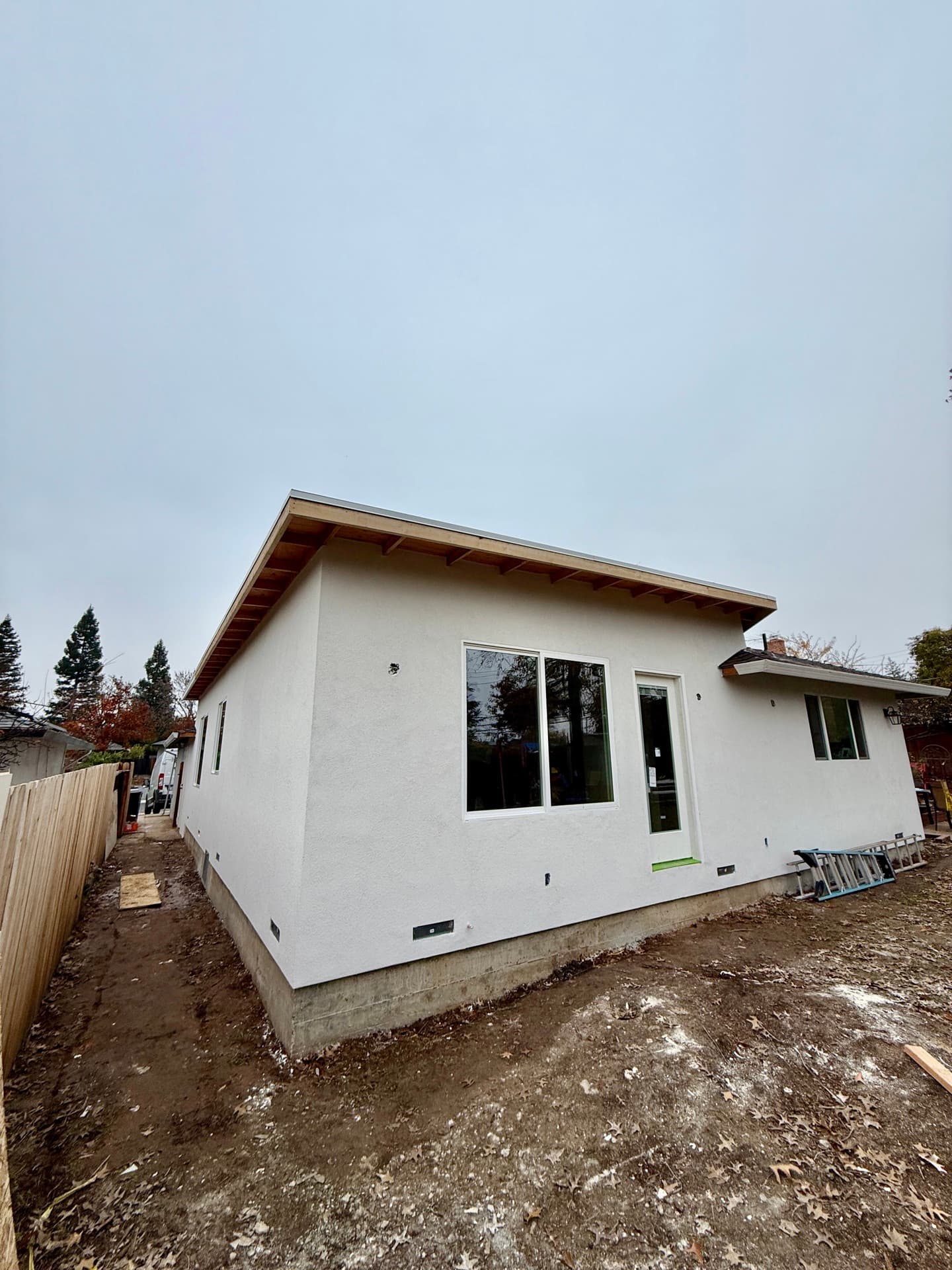
Detached means freestanding. The unit doesn't touch your house — its own slab or stem-wall foundation, its own roof structure, four of its own exterior walls. That's the line separating it from an attached ADU, which shares at least one wall with the main home, and from a conversion, which reuses an existing shell. All three are legitimate ADUs under California law. They build, cost, and live differently, and detached is the most independent of the three.
The appeal of detached, and the reason it fits Placerville, is that independence. Because it stands alone, we place it where the lot wants it and orient it for light and the oaks — not locked to the geometry of your house. On steep foothill terrain that flexibility is worth real money. A unit steps down the grade and reads as a genuinely separate dwelling, not a cottage shoved against the line.