CA License #1119373Licensed, Bonded & InsuredPowered by Future Generation ConstructionFuture Generation
Modesto · Attached ADU
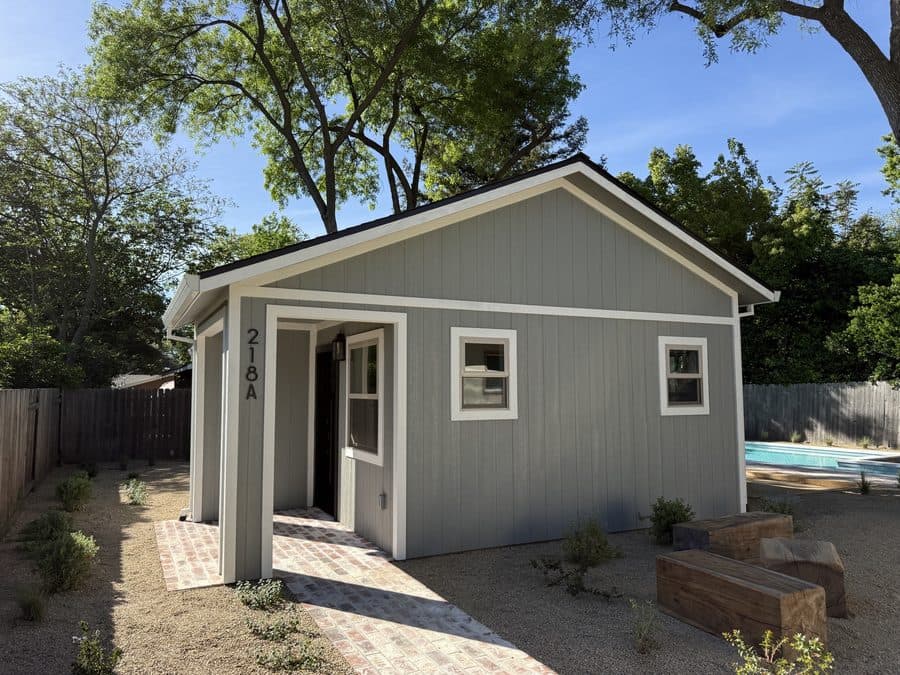
An attached ADU added onto your Modesto home, more living space without the detached price tag.
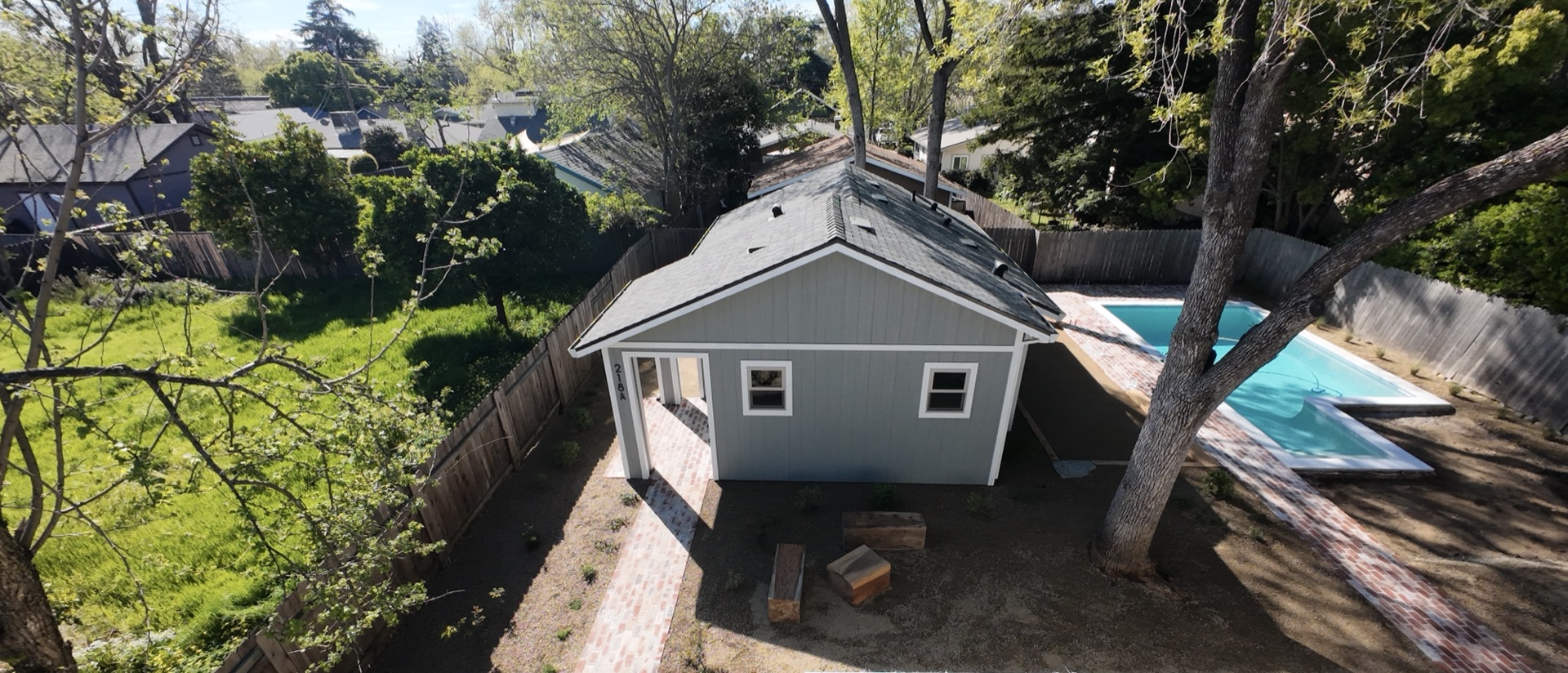
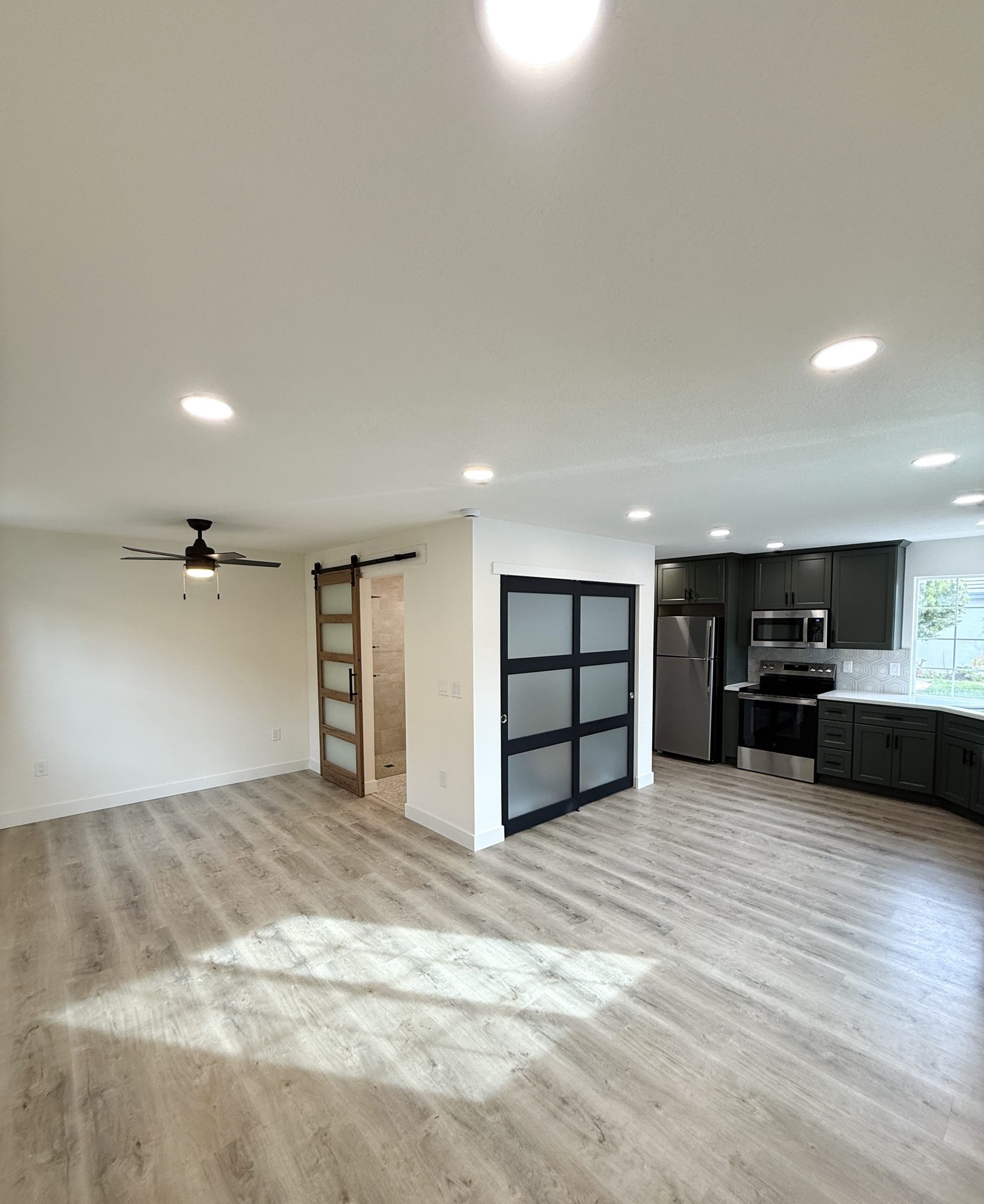
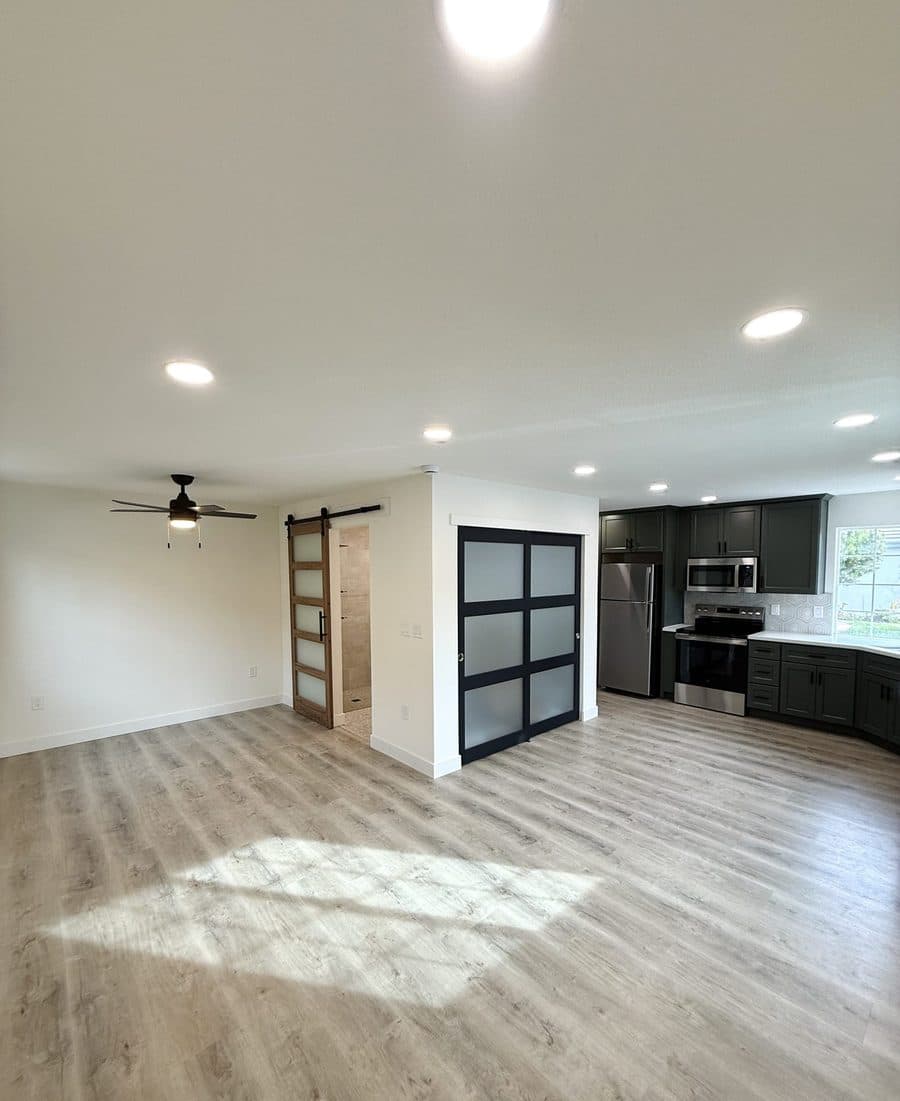
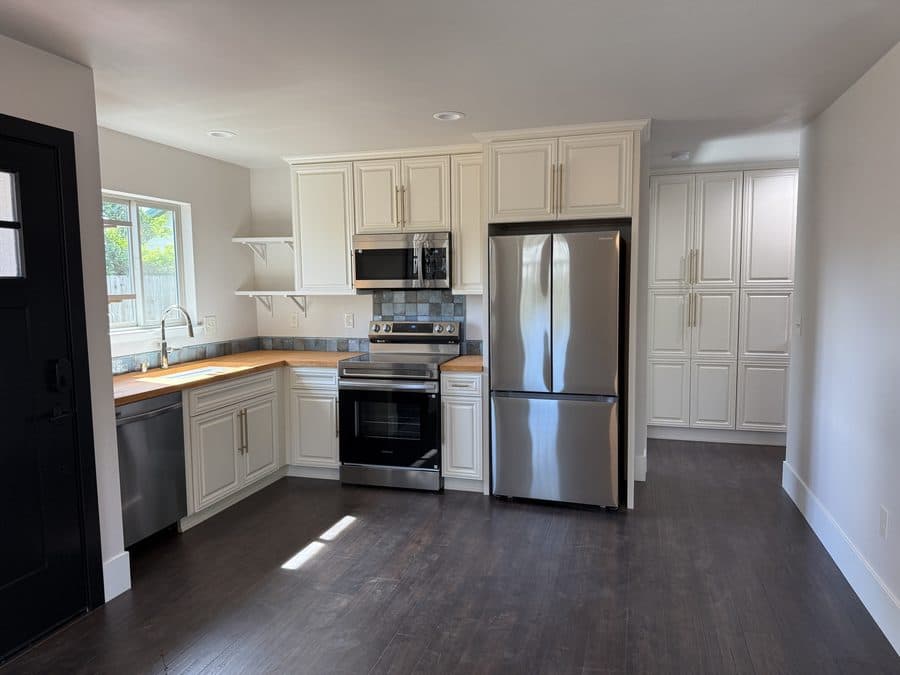
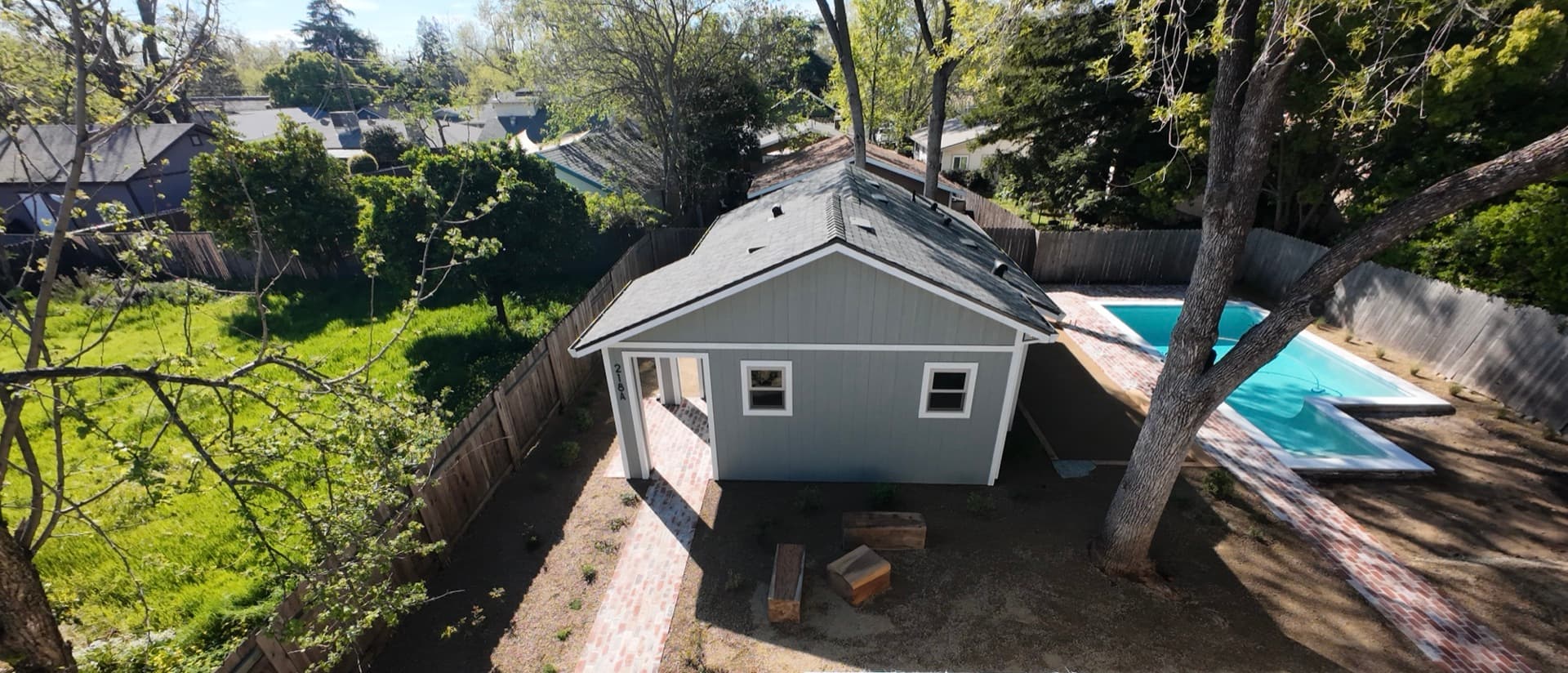
One shared wall, a private front door, a full kitchen and bath. We build attached ADUs across Modesto — from La Loma and the College Area to Village I — and drive down Hwy 99 from Sacramento to do it right.
Trusted by homeowners across Sacramento & surrounding areas.
Attached ADU in Modesto — fast facts
City
Modesto
ADU type
Attached ADU
Contractor license
CSLB #1119373
Free estimate
(916) 677-9774
Last updated
What an attached ADU actually is
One wall shared, the rest its own home
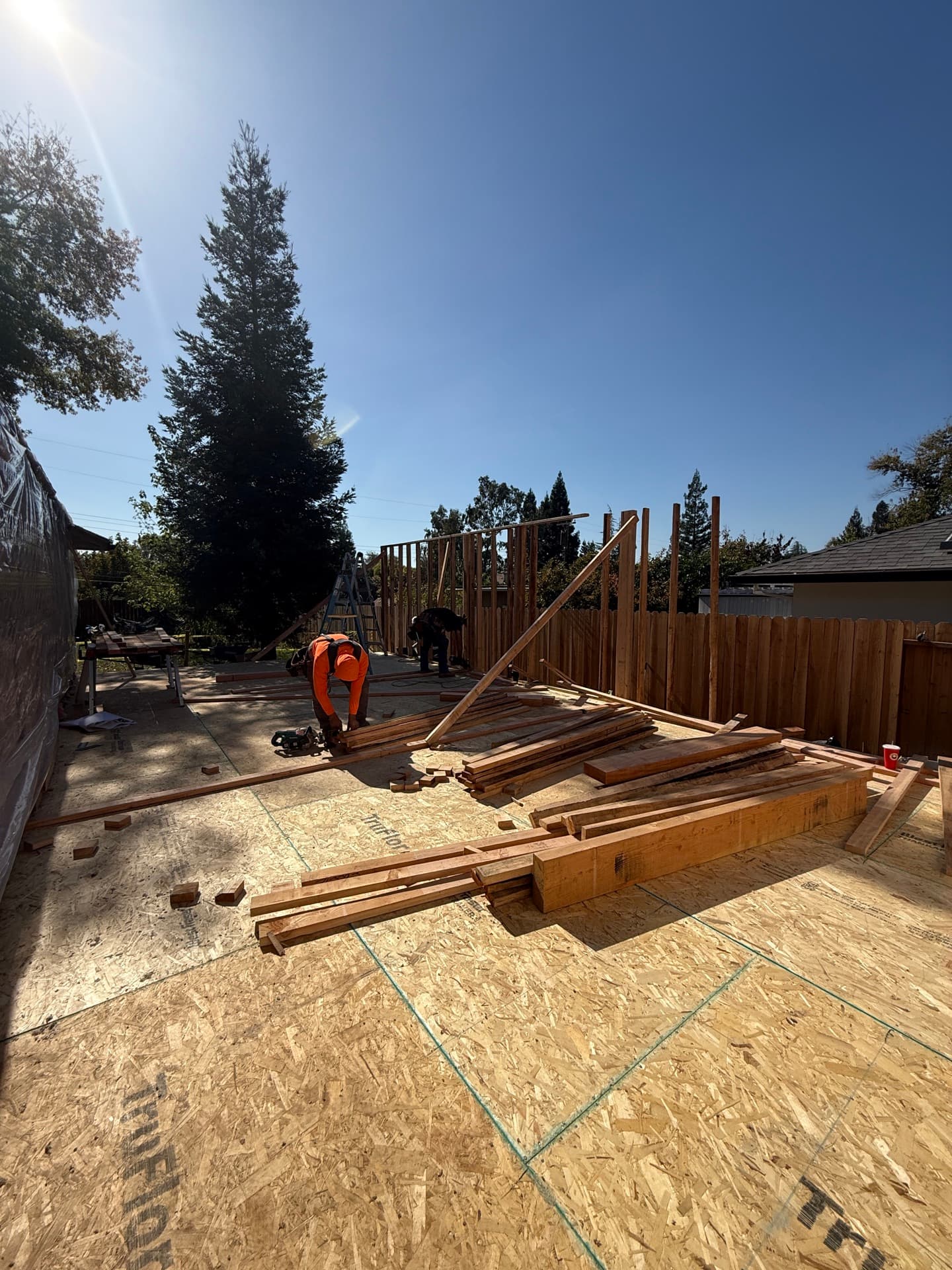
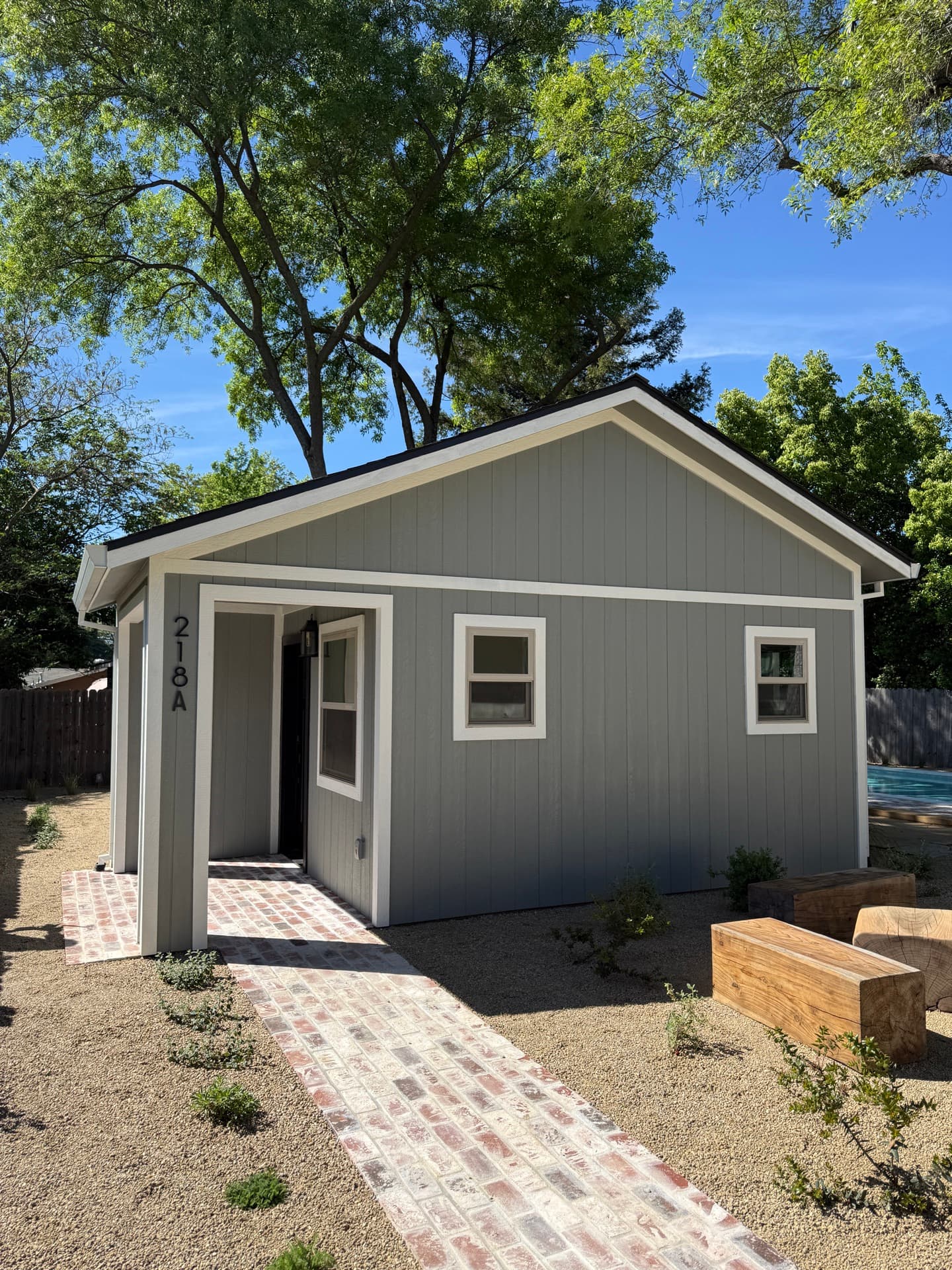
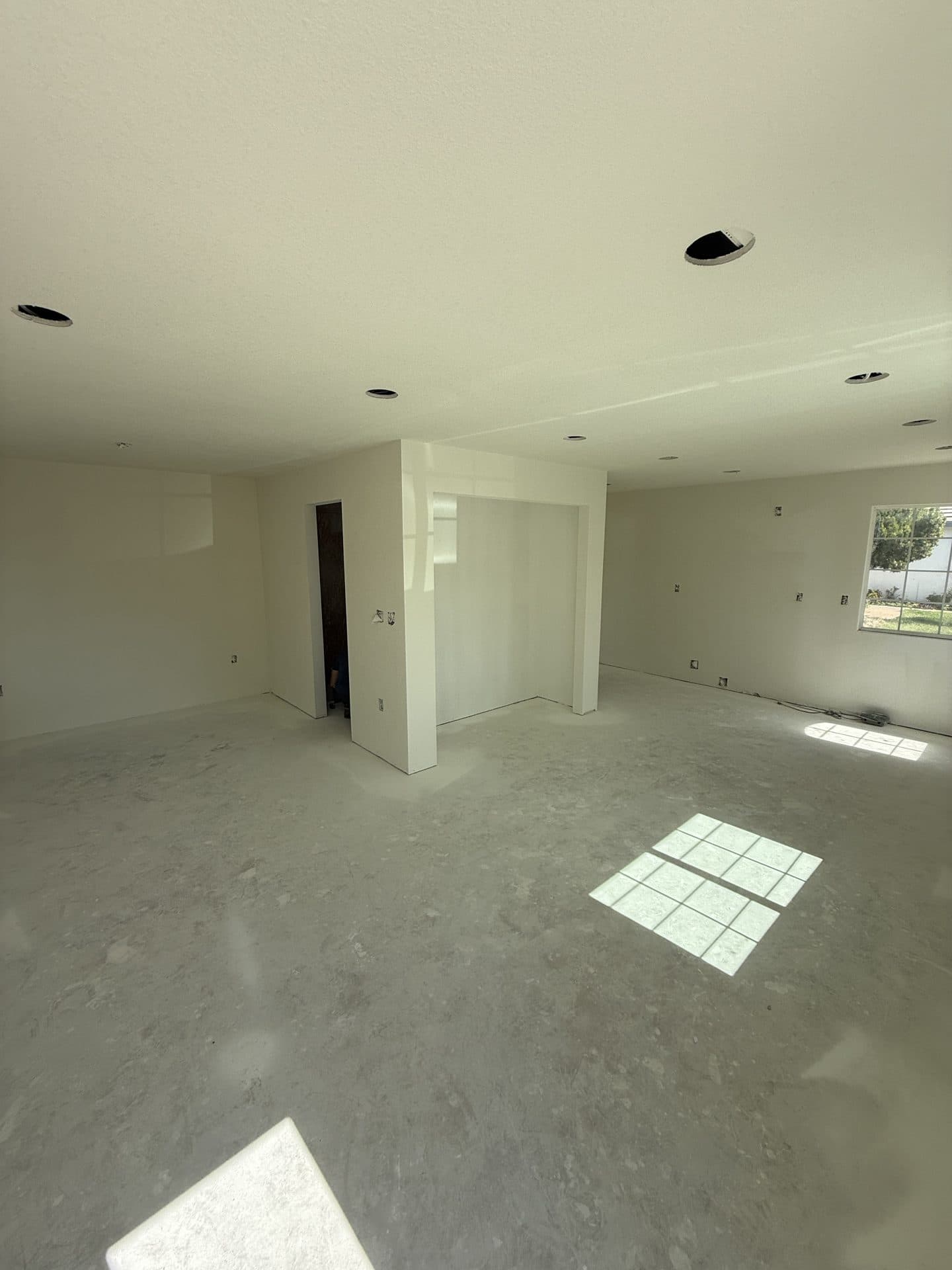
Quick definition. An attached ADU shares exactly one wall with your existing house and then becomes its own thing — private entrance, full kitchen, full bath. A complete second residence that happens to be tied onto the first. Folks mix it up with a junior ADU or a back-bedroom addition, and it's neither. That shared wall is the whole advantage. It cuts your cost because you skip a separate foundation footprint and you skip trenching a fresh utility lateral clear across the yard. On a lot of Modesto's flatter parcels — the ranch tracts off Coffee Road, the older blocks near downtown — borrowing the existing wall is what lets a unit fit the side yard at all. That's the pitch, plain.
Shares one wall with the main house — own entrance, own kitchen, own bath
Cheaper than detached because one wall and the utilities already exist
Fits a narrower side yard where a freestanding unit won't pencil
The shared wall, done right
Fire and sound rating at the party wall
That wall between the two homes isn't an ordinary interior partition. Code wants a one-hour fire-rated separation assembly, and honestly you want it regardless — nobody enjoys hearing a renter's TV through the drywall at 11pm. We build it as a real assembly. Type-X gypsum, insulation picked for sound, and tight detailing where the wall hits the roof, the floor, and the exterior so the rating doesn't leak out through a gap at the top plate. This is the detail budget crews love to fudge. Fudge it and the City inspector red-tags you, or both households end up miserable on either side of a thin wall. We've built enough of these in Modesto that the wall is the boring, predictable part of the job. That's exactly how it should feel.
One-hour fire-rated separation assembly between the two dwellings
Sound-rated build so neither household hears the other
Careful detailing where the wall meets roof, floor, and exterior
Tying into the existing house
Roofline, foundation, matched elevation
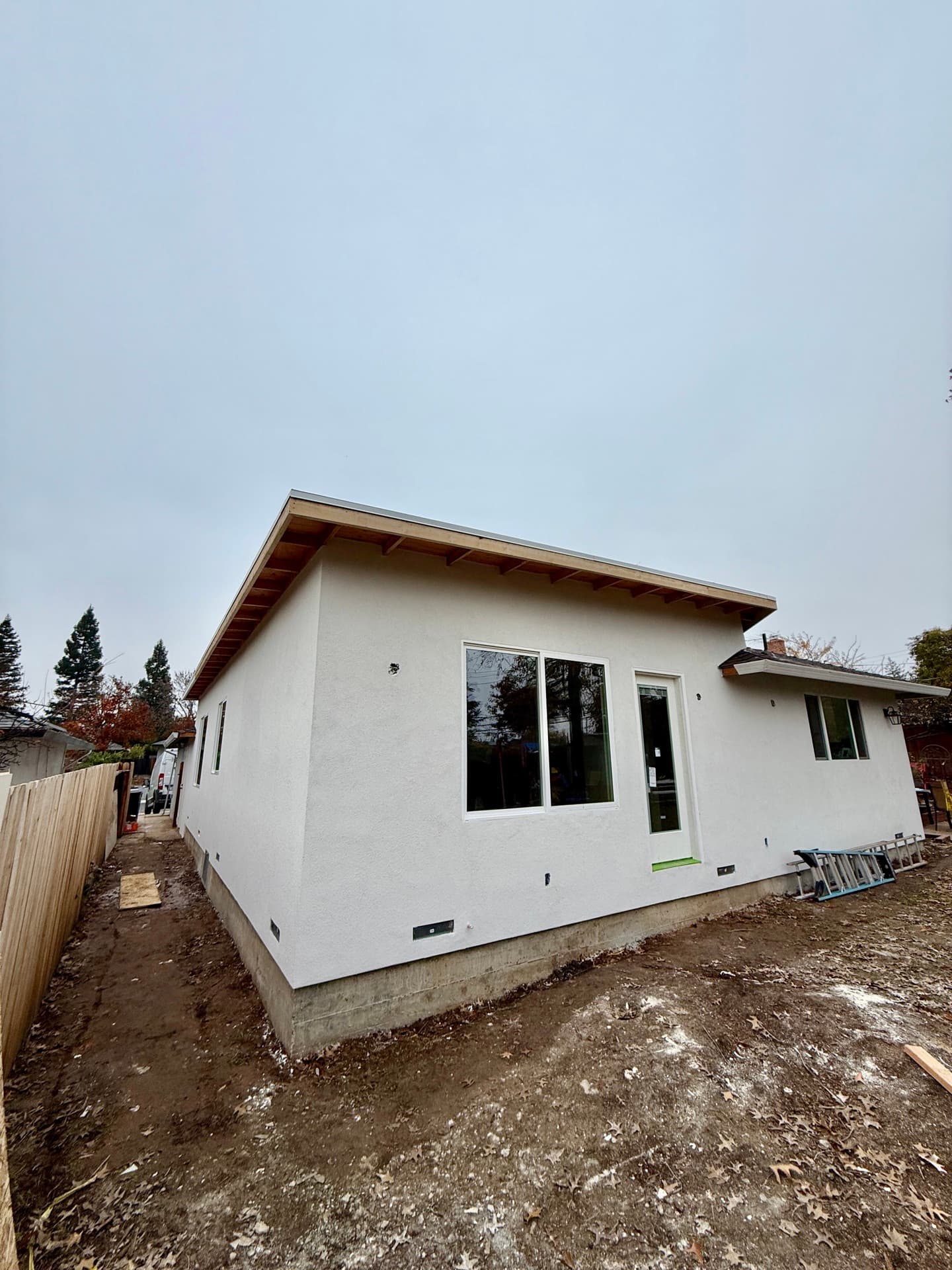
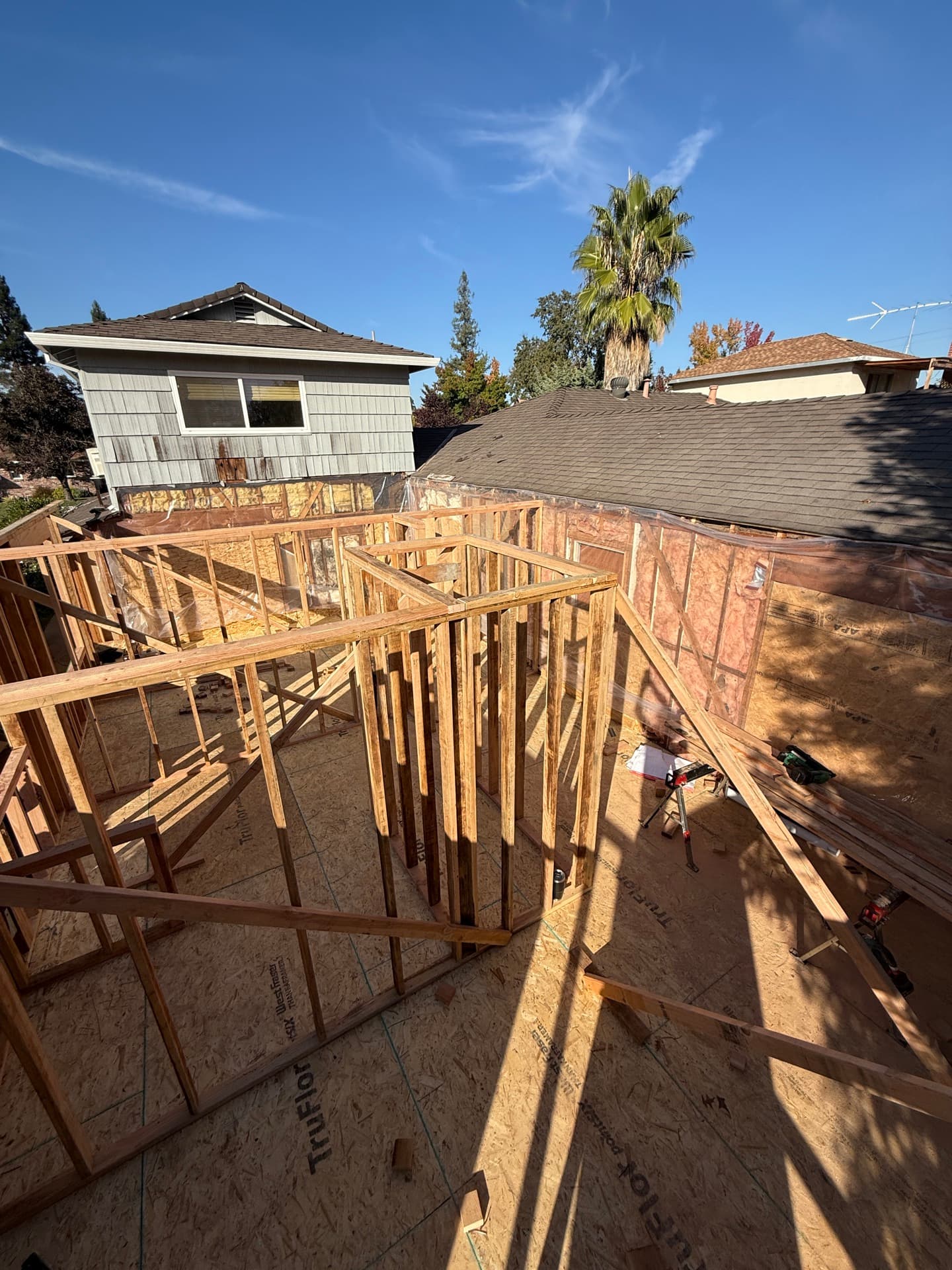
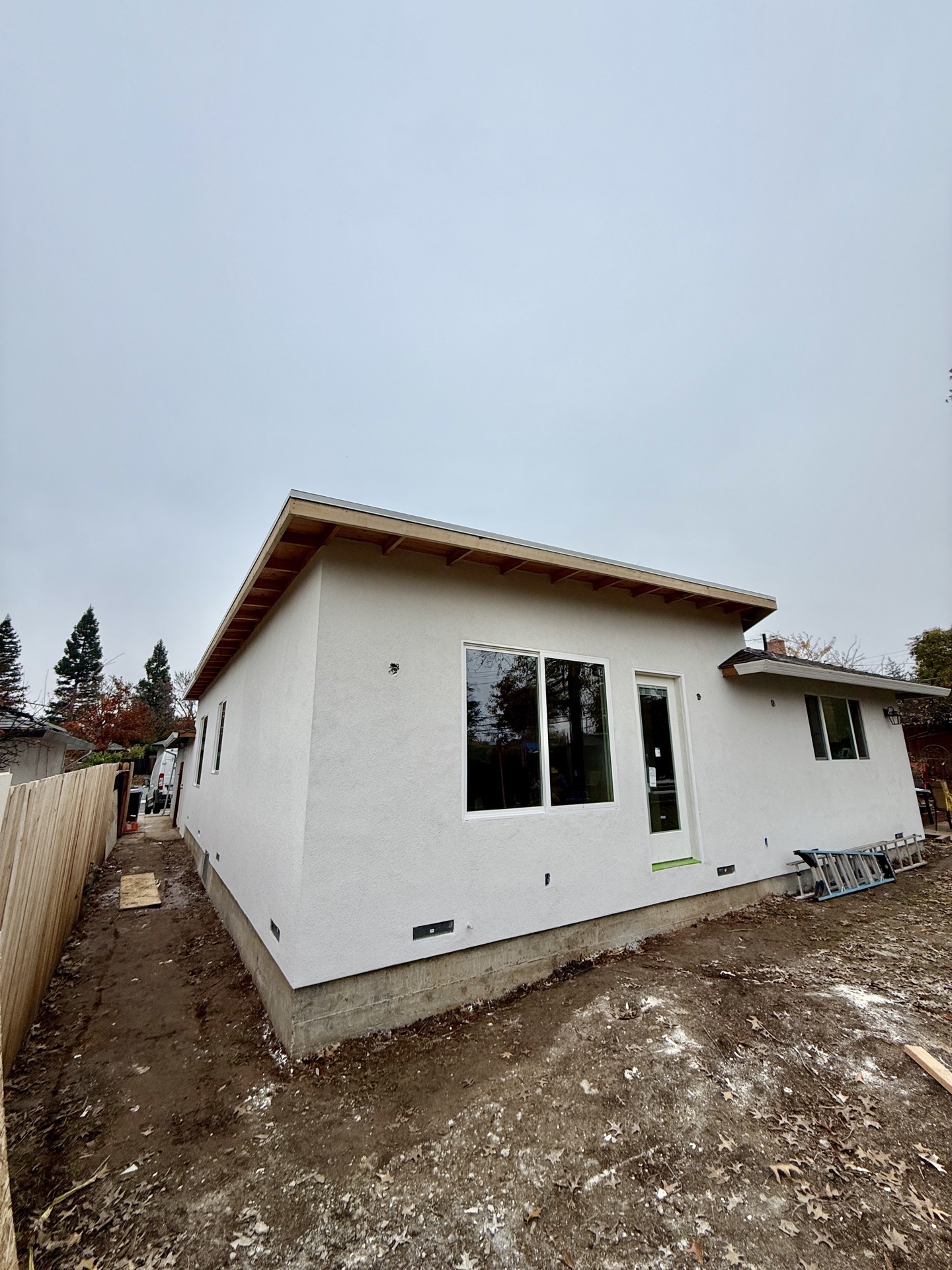
An attached unit lives or dies on how it meets the original house. The new roofline has to tie into the old one without making a valley that dumps rain somewhere it shouldn't go. The new foundation has to get along with whatever's already under your home — and across Modesto that usually means flat Central Valley loam or clay, decent buildable ground that still gets an engineered footing sized to the soils report, never a guess. Then the look. Fresh stucco against a 1965 La Loma elevation, or new siding beside weathered tract siding, can read like a growth stuck on the house if nobody's watching. We match the stucco texture, the trim, and the roof pitch so the addition reads as one home — not a bolt-on tacked to the side.
New roof framing tied cleanly into the existing roofline
Engineered foundation sized for Modesto's flat valley soil
Stucco, siding, and trim matched so the addition disappears
Utilities — and MID, not PG&E
Shared service through the right utility
Here's where Modesto trips up out-of-town builders. Your power isn't PG&E. Electricity in Modesto runs through the Modesto Irrigation District — MID, a municipal utility — and the meter, the service upgrade, and the new circuits all go through them, not PG&E. Water is City of Modesto. Get that wrong on the plans and you've wasted weeks. The money advantage of attached is shared service: power off your existing MID service, water off your existing line, sewer into the lateral that's already there. That beats trenching fresh runs across the lot. Two cautions. We verify the existing panel and MID service can carry a second kitchen before promising a clean tie-in. And past 750 square feet the City can require a separate water meter — real cost, extra step. I'll show you both before you pick a size.
Power and meter go through MID — the municipal utility, not PG&E
Water from City of Modesto; sewer into the existing lateral
Past 750 sq ft a separate water meter can be required
Build Smart. Invest Wise.
Build Your ADU. Your Investment, Your Future.
From design to move-in, we handle everything. Transparent pricing, on-time delivery, and uncompromising quality.
Custom Designs
Tailored to you
Built to Last
Premium materials
Fast Turnaround
On-time delivery
Full-Service
From start to finish
30+
Years of Experience
120+
ADU Projects Completed
100+
Happy Homeowners
Built for Value. Designed for Life.
Trusted by homeowners across Sacramento & surrounding areas.
ADU Estimator
Know Your Numbers Before You Commit
Get an instant estimate of construction cost, rental income, ROI, and timeline. No email required to see your number.
“Every ADU we build is designed to add long-term value and open new possibilities for your property. Let's build something great together.”
— Tim, ADU Specialist
Custom Designs
Built to fit your property & needs
Turnkey Process
We handle permits, plans & everything
Built to Last
Quality craftsmanship that stands the test
Financing Made Simple
$0 Down Options. Build Now, Pay Over Time.
You shouldn't have to drain your savings to build wealth. We partner with trusted ADU lenders to find financing that fits — many homeowners build with little to nothing out of pocket.
Home Equity (HELOC)
Tap your existing equity at competitive rates — the most popular way to fund an ADU.
Renovation Loans
Finance the build against your home's projected after-completion value.
ADU-Specific Financing
Specialized lenders who underwrite based on the rental income your ADU will produce.
Cash-Out Refinance
Roll the project into a new mortgage and keep one simple monthly payment.
Estimate Your Monthly Payment
See what financing your ADU could look like — and how rental income can help cover it.
$180,000Loan amount
Credit Score
Very good · 700–739
Estimated Monthly Payment
$1,320/mo
At 7.99% APR over 30 years (illustrative)
Often offset by $2,000–$3,500/mo in rental income
No prepayment penalties with most partners
Pre-qualification with no impact to your credit
Illustrative only — not a loan offer. Actual rates and terms are set by third-party lenders based on your qualifications.
Service areas
Where we build
Headquartered in the Greater Sacramento Area and serving homeowners from the Sierra foothills down through the Bay Area. Don't see your city? We probably still get there — just ask.
The most common things Sacramento homeowners ask before starting an ADU project.
Straight answer: most of our work sits around Sacramento, and Modesto is about 75 miles south, a 75-to-80-minute run down Hwy 99. That's not a Bay-traffic slog — it's the same Central Valley corridor we already drive, flat and familiar, comfortable home turf. We come down for owners who want our craftsmanship and our pricing without a markup, and an attached ADU is usually a big enough job to make the trip make sense for everyone. If you want a contractor who lives three streets over, I'll be honest, that's not us. But plenty of Modesto owners decide the drive is worth it once they line our bid up against the local ones. The 99 corridor is easy. We're down there often.
Generally yes, and the gap is worth chasing. Modesto's ADU math is more like Sacramento than the Bay — detached units here tend to land somewhere in the $280K to $500K range depending on size, finishes, and site work, not the $600K-plus you see across the Altamont. Attached trims cost two ways. You share one existing wall, and you tap existing utilities instead of trenching fresh lines across the yard. The kitchen and the bath cost about the same either way — those don't really move. But the structure and the site work come down. On a tighter Modesto lot, attached is often both the cheaper option and the only one that fits the setbacks. I'll quote your specific lot, not a brochure number.
It has to be a one-hour fire-rated separation assembly, not a regular interior wall. We build it with type-X gypsum, sound insulation, and tight detailing where it meets the roof and floor so the rating holds end to end. The fire rating is code. The sound rating is for everyone's sanity — two households living wall to wall, and one of them will eventually run a blender at dawn. This is the single most-cheated detail in attached ADU work. A sloppy gap at the top plate blows the whole assembly, and the City inspector knows exactly where to look. We treat it as a genuine assembly, so it passes the first time through and nobody's cutting open finished drywall later. Boring and predictable, the way it should be.
Permits go through the City of Modesto building department for parcels inside city limits. If your lot is on unincorporated land out toward the county fringe, it's Stanislaus County instead — we check the jurisdiction first so nothing gets filed in the wrong office. Either way they review the fire-rated shared wall, the engineered foundation, and the structural tie-in to your existing house. We handle the submittal and the back-and-forth with the reviewer so you're not chasing the counter yourself. I won't promise a lightning-fast stamp — plan reviews take what they take — but Modesto isn't Bay-Area slow either. It's a reasonable Central Valley jurisdiction, and we plan honestly around its real pace instead of pretending it'll be instant.
Modesto sits on flat Central Valley alluvial ground — loam and clay laid down over a long time, generally good buildable dirt. It's nothing like a Bay hillside. That said, "generally good" isn't a foundation spec. Some pockets carry expansive clay that swells when wet and shrinks when dry, enough to crack a lazy footing over a few seasons, so we engineer the foundation to the soils report on your actual lot, not a regional average. On an attached unit there's a second wrinkle: the new footing has to relate sensibly to whatever's already under your house, which on an older La Loma or downtown-adjacent home might be a slab from the 1960s. We size the new foundation to work with the existing one, not fight it. It's a line item I'd rather spend than chase cracks later.
No, and this is the thing most out-of-town builders get wrong. Electricity in Modesto comes from the Modesto Irrigation District — MID, a municipal utility that's served the area for over a century. Your meter, any service upgrade, and the new circuits for the ADU all go through MID, not PG&E. Water is City of Modesto. If a contractor hands you plans routing power through PG&E, that's a red flag they haven't built here. For an attached ADU the cost advantage is sharing your existing MID service instead of pulling a brand-new one, so we verify early that the existing panel and service can carry a second kitchen and bath. If it needs an upgrade, that's an MID coordination step we handle, and we'd rather find it on day one than mid-build.
It works, and the demand is real. Modesto is a Central Valley ag hub — almonds, dairy, E&J Gallo headquartered right here as the world's largest winery — plus two colleges drawing renters, CSU Stanislaus and Modesto Junior College. That's a steady base of people needing housing. On top of that, multi-generational families are common here, and an attached ADU is a clean way to keep a parent or an adult kid close with their own front door. I won't quote you a rent number — markets move and I'm not in the business of guessing your return. But between college renters, ag-economy workers, and family use, a well-built attached unit with a real kitchen and bath rarely sits empty. The affordable build cost compared to the Bay is what makes the math pencil on a reasonable hold.
I'll give you a range and stay honest about the spread. Attached ADUs in Modesto generally land somewhere in the $250K to $450K window, depending on square footage, finish level, and what the site throws at us. That's below detached because you borrow a wall and share utilities — the structure and site work come down even though the kitchen and bath don't. What moves the number: the size of the unit, whether the existing MID panel needs an upgrade, the condition of the sewer lateral, and whether you cross the 750-square-foot line that can trigger a separate water meter. A smaller unit on a clean lot sits at the low end; a larger one with a panel upgrade and meter climbs toward the top. I price your actual lot before either of us commits.
That's most of the work on an attached unit, honestly. We match stucco texture, siding profile, trim, and roof pitch so the ADU reads as part of the original home, not a tumor on the side of it. A lot of Modesto's housing is older ranch and tract stock — the La Loma blocks, the College Area near the universities, the downtown-adjacent neighborhoods — and those elevations have aged, so matching sometimes means feathering new finish into old and picking materials that weather the same way the originals have. Newer pockets like Village I out in the northeast are a cleaner match because the stock is more uniform. The goal stays the same everywhere: someone driving past your place can't tell where the original house stops and the ADU starts. That's the whole point.
Often yes, and that's a real edge over detached. Because the unit borrows your existing wall, it needs less independent footprint than a freestanding building that has to stand on its own four sides with its own setbacks all around. On Modesto's tract lots — generous in the newer northeast pockets, tighter on some older downtown-adjacent blocks — that can be the difference between a buildable ADU and none at all. We'll measure your side yard against the City's setback rules and tell you plainly whether attached pencils on your specific lot. If it doesn't fit, I'll say so rather than force a design that fights the parcel. Sometimes the honest answer is a garage conversion instead, and if that's the better move for your lot, I'll point you there.
Other services
Not quite the right fit?
Every Sacramento ADU project is different. Here are the other paths we build under one roof — and we're happy to talk through which one fits your lot best.
We treat every home like it's our own — quality work, clear communication, and happy homeowners.
PaulOwner · Future Generation
10 min read2,268 words8 sections
Building an Attached ADU in Modesto — A Central Valley Owner's Straight-Talk Guide
We build attached accessory dwelling units in Modesto — the shared-wall kind that add a full second home with its own door, kitchen, and bath onto the house you already own. Future Generation Construction is a design-build outfit based in Sacramento, license #1119373, and we run down Hwy 99 to the Central Valley for work worth the trip. This is the honest version: what an attached ADU is, why the Modesto math beats the Bay, the local stuff most builders get wrong — starting with the fact that your power comes from MID, not PG&E.
01Section
Why attached makes sense in Modesto
Modesto is a Central Valley town, Stanislaus County, sitting on Hwy 99 just south of Stockton. It's an ag hub — almonds, dairy, E&J Gallo headquartered downtown — and it builds a lot more reasonably than anywhere across the Altamont in the Bay. The ground is mostly flat, the lots are sensible, and the permitting is a normal Central Valley pace rather than a Bay slog. That keeps ADU costs grounded. An attached unit leans into all of it: you share a wall that already stands, so there's less structure to build from scratch.
The other half of the case is the lot. A lot of Modesto's older housing — La Loma, the College Area near CSU Stanislaus and MJC, the downtown blocks — sits on tract parcels that run from roomy to snug. On the tighter ones, a freestanding detached unit can't clear the setbacks on all four sides, but an attached extension off the back or side fits. You're borrowing the existing wall, so the unit needs less independent footprint. That's often the difference between a buildable ADU and a parcel that just won't take one.