CA License #1119373Licensed, Bonded & InsuredPowered by Future Generation ConstructionFuture Generation
Livermore · Attached ADU
An attached ADU bolted onto your Livermore home more room, one shared wall, less than detached.
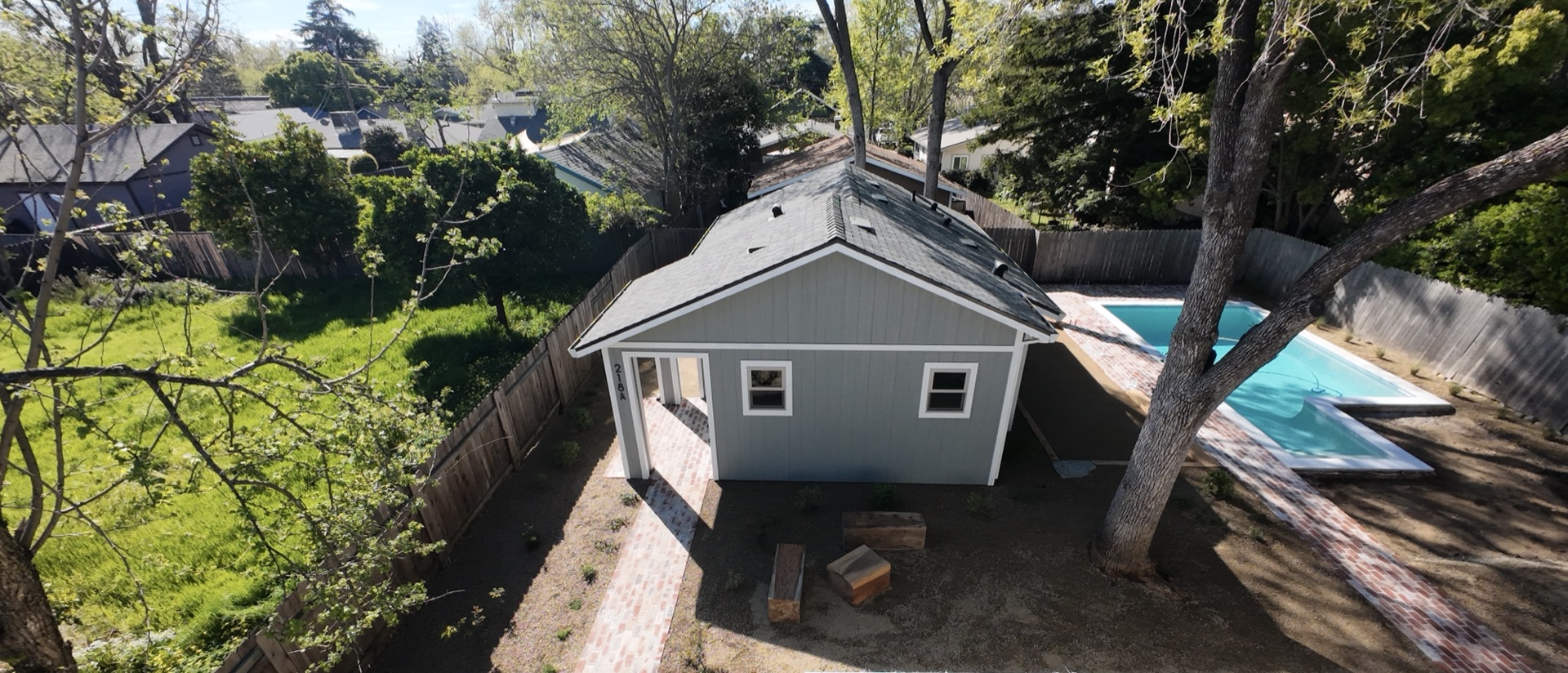
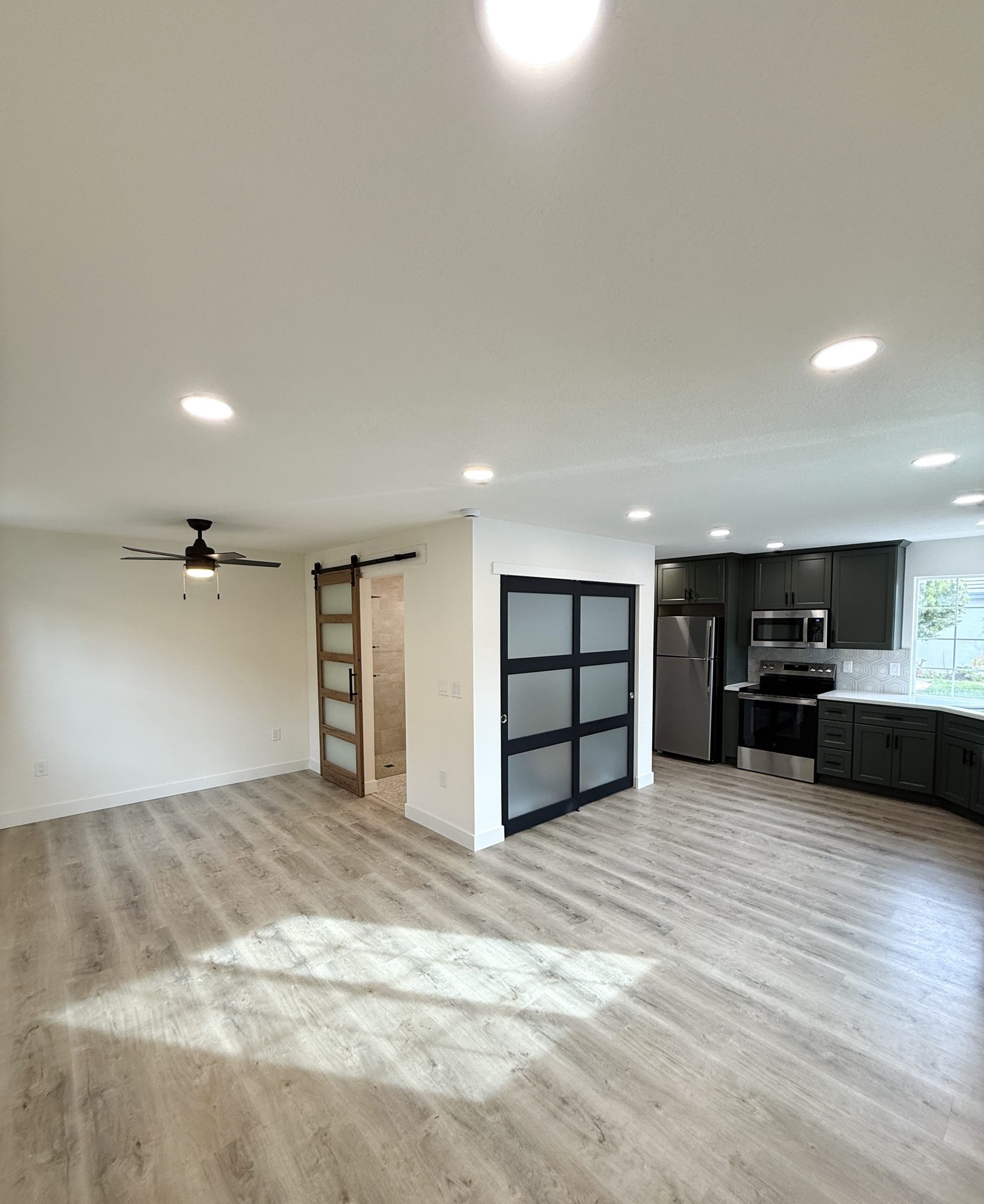
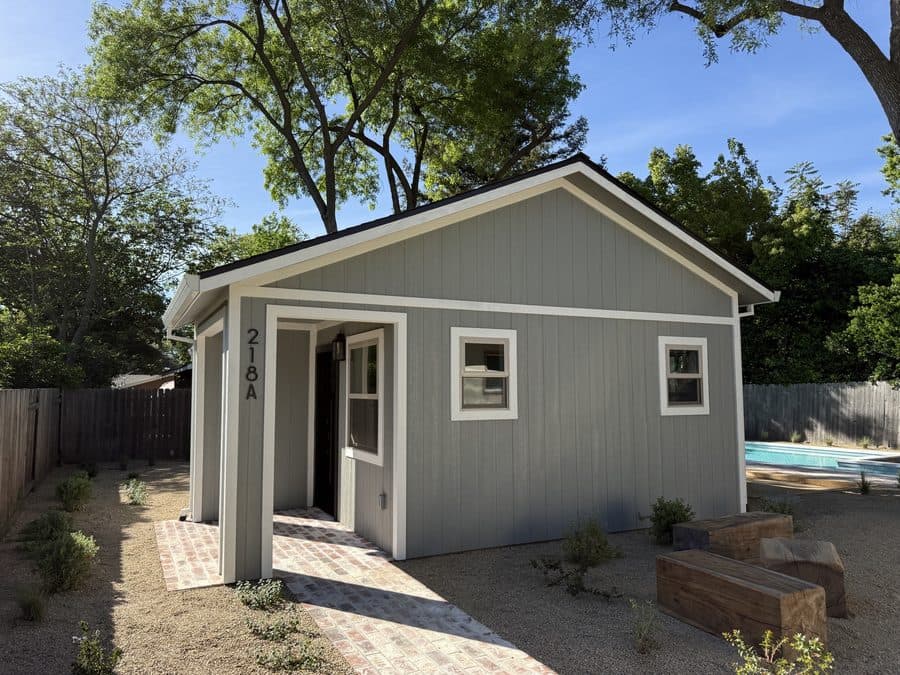
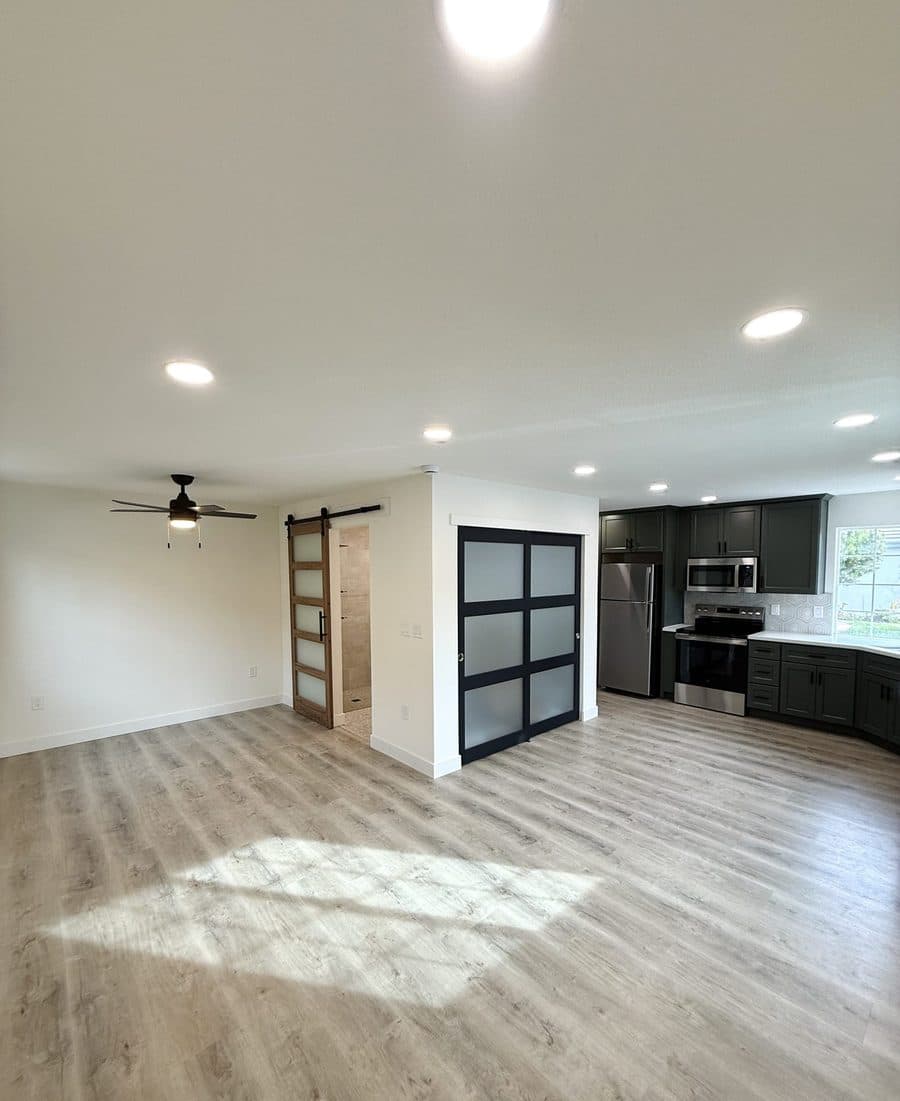
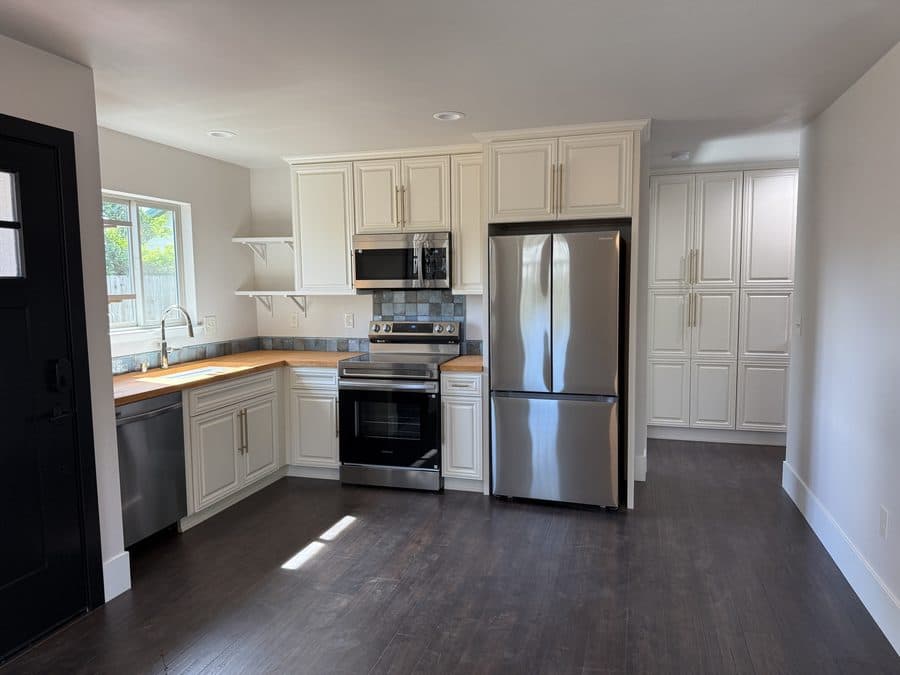
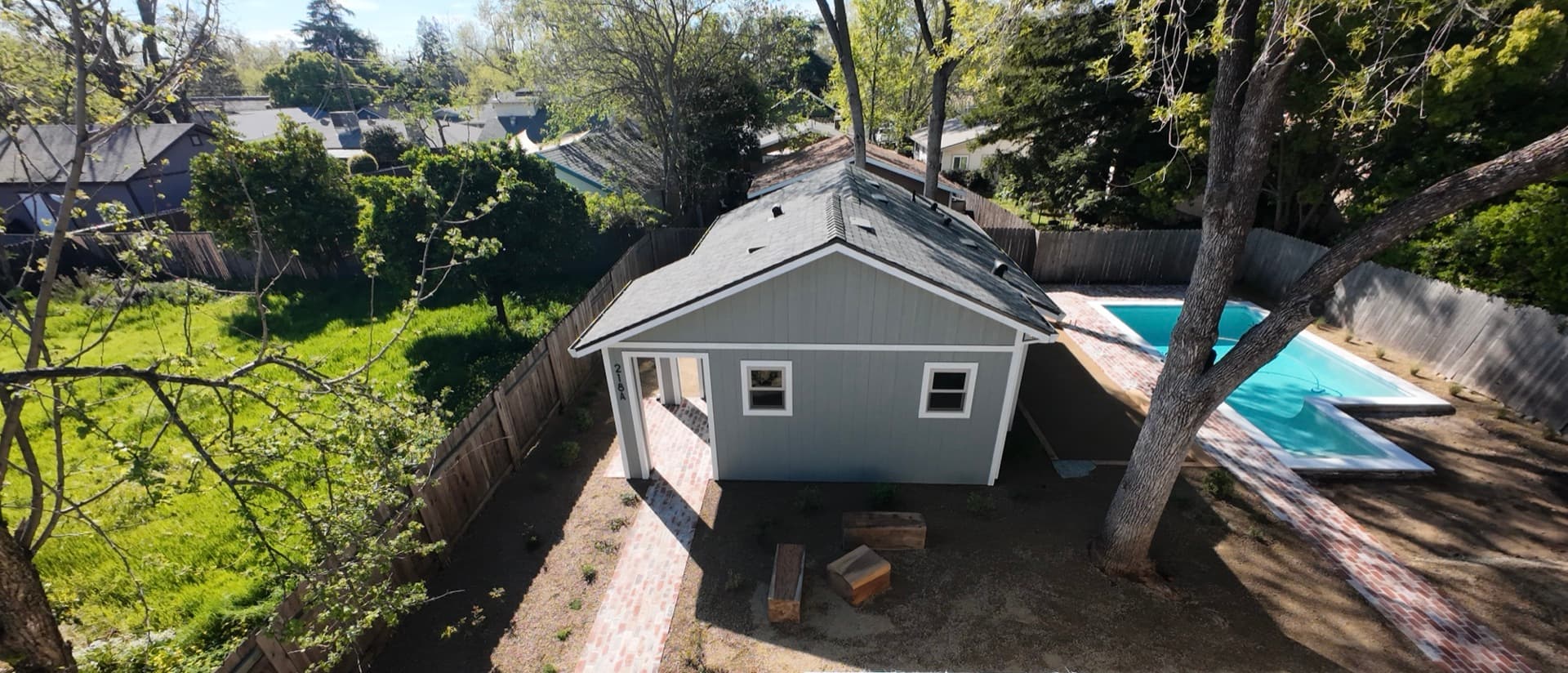
One wall tied into the existing house, its own front door, a full kitchen and bath. We build attached ADUs across Livermore — the flat Springtown tracts out to the South Livermore wine estates — and drive the 75 miles from Sacramento to build them right.
Trusted by homeowners across Sacramento & surrounding areas.
Attached ADU in Livermore — fast facts
City
Livermore
ADU type
Attached ADU
Contractor license
CSLB #1119373
Free estimate
(916) 677-9774
Last updated
What an attached ADU is
One wall shared, the rest its own home
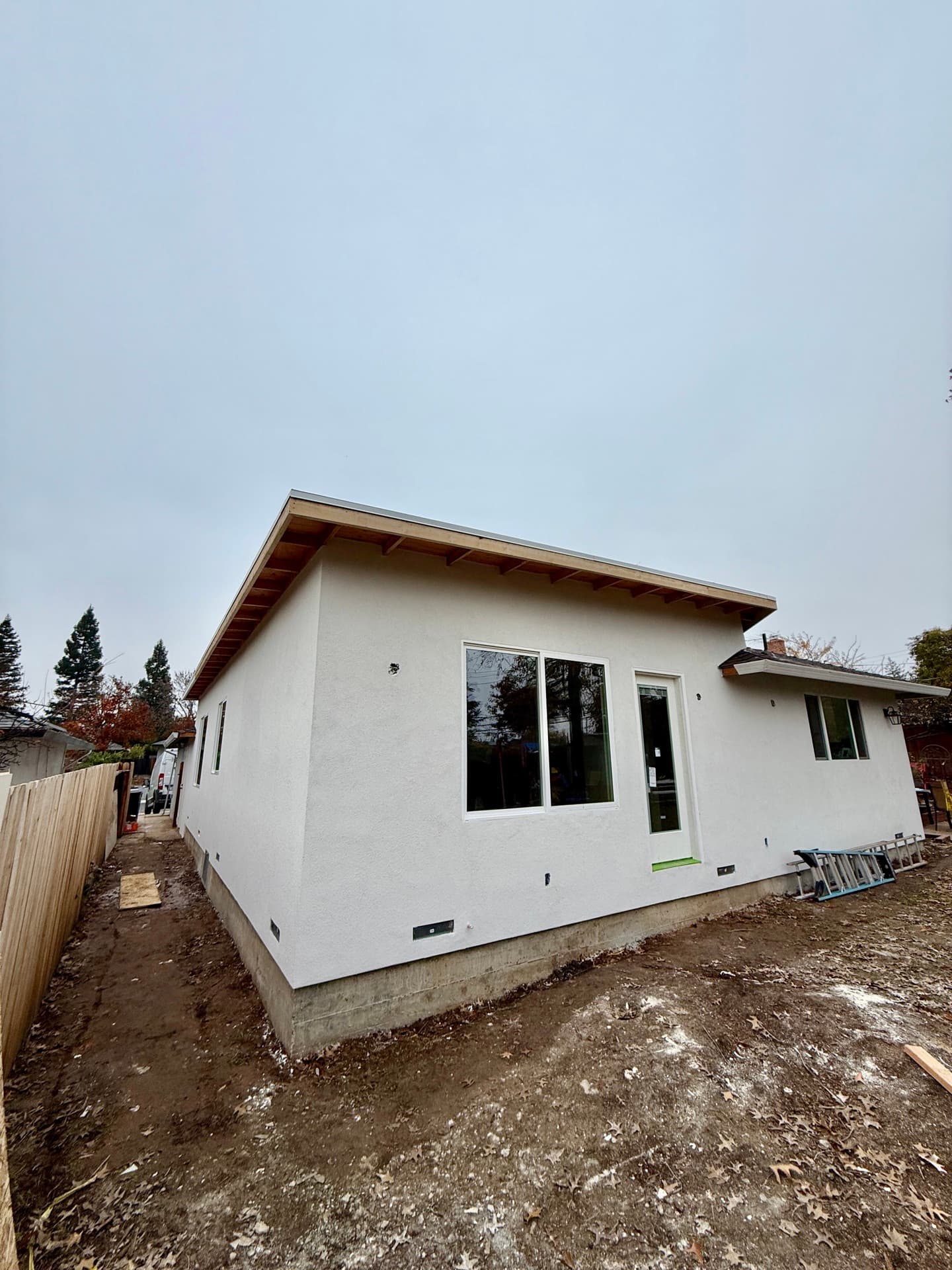
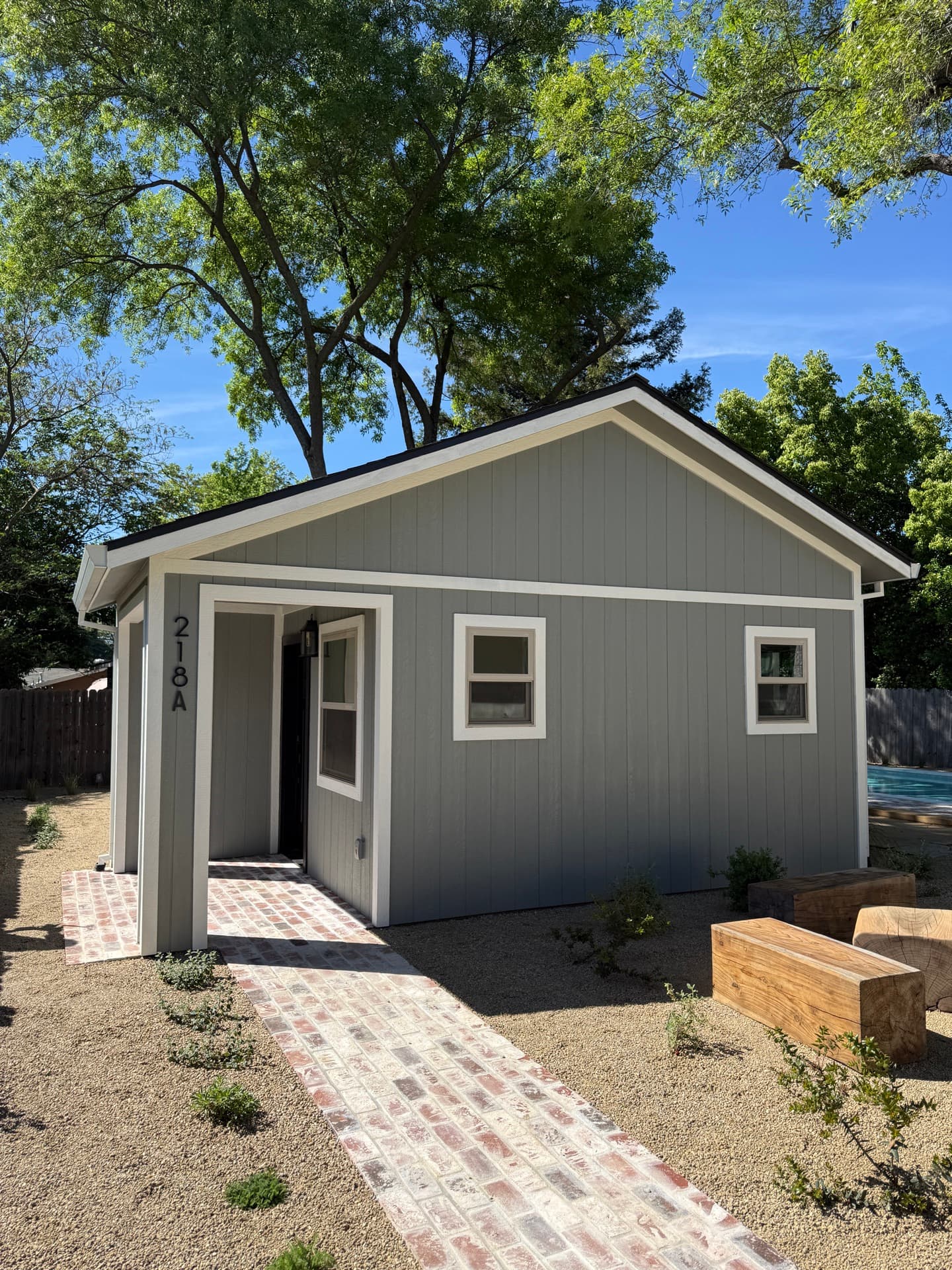
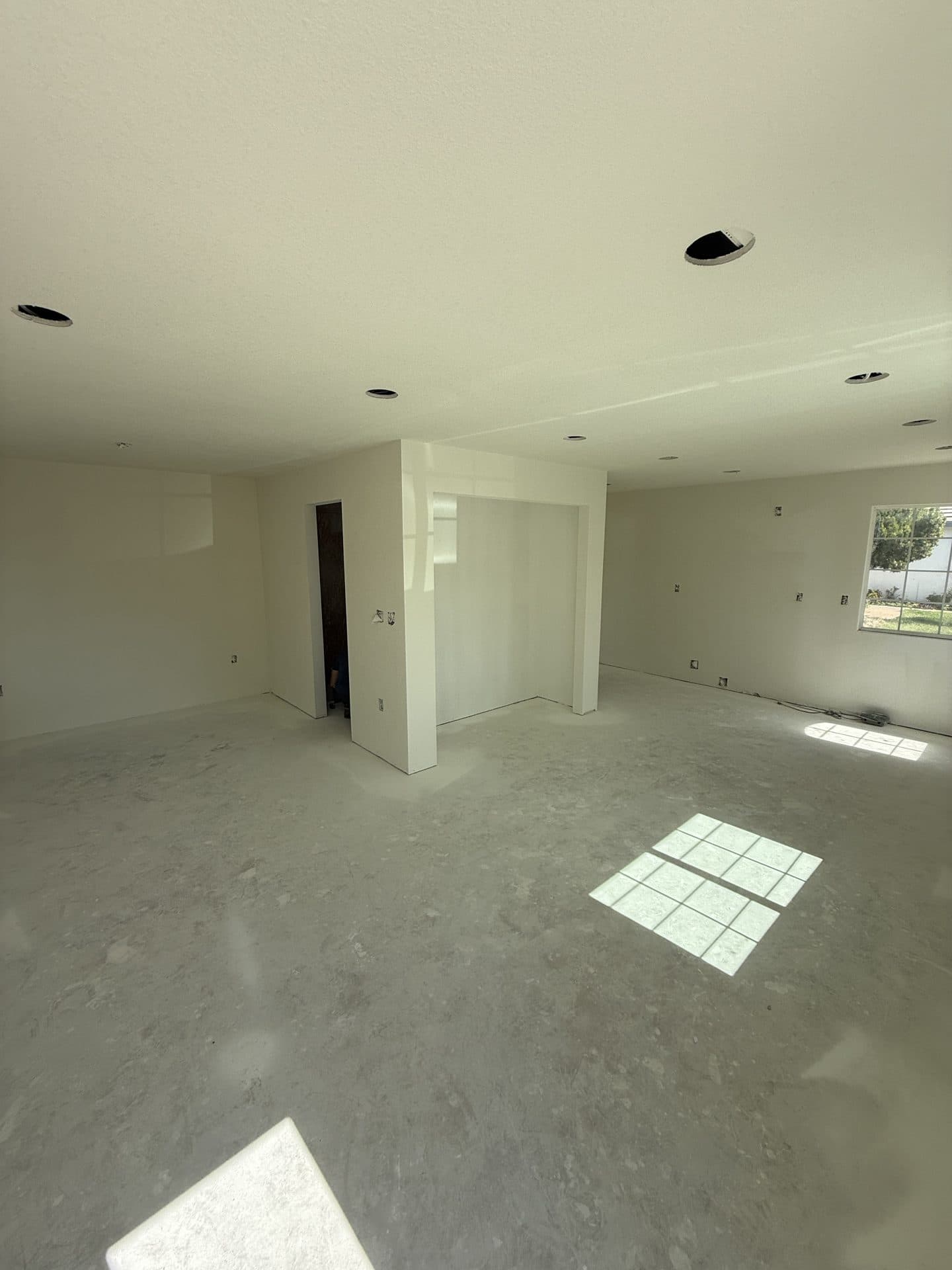
Let me define it plainly first. An attached ADU shares exactly one wall with your existing house, then stands on its own — private entrance, full kitchen, full bathroom. It's a complete second residence that happens to be joined to the first. Folks confuse it with a junior ADU or a bedroom bump-out. It's neither. That shared wall is the whole point. It cuts your cost because you skip a separate foundation footprint and you skip trenching a fresh utility lateral across the yard. Livermore lots run bigger than the inner Bay, so an attached unit usually fits a side yard with room to spare. On the flat Springtown and Las Positas blocks, that borrowed wall keeps the build straightforward and the bid honest.
Shares one wall with the main house — own entrance, own kitchen, own bath
Cheaper than detached because the wall and the utilities already exist
Fits a side yard cleanly where a freestanding unit gets cramped
The shared wall, done right
Fire and sound rating at the party wall
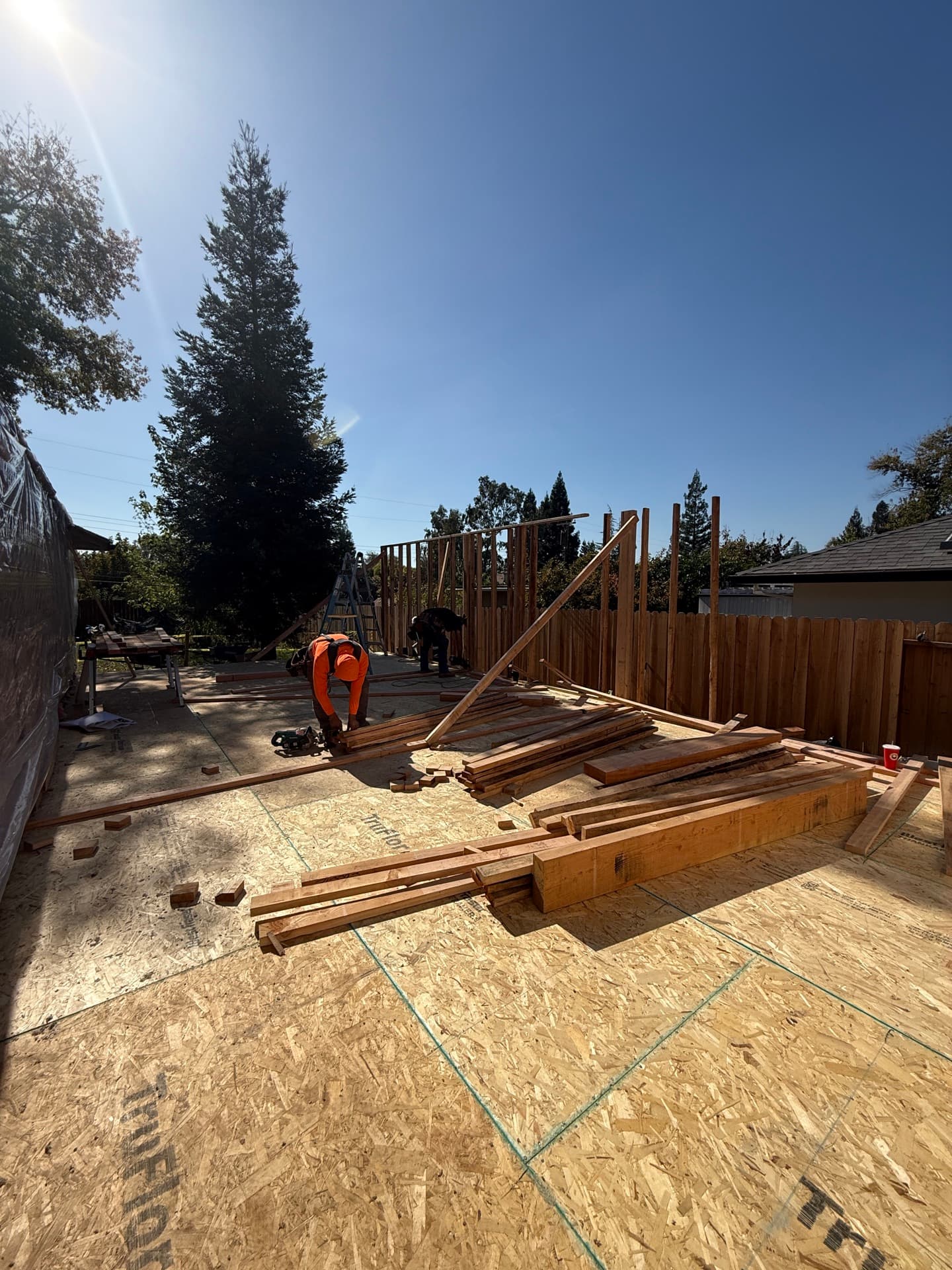
That wall between the two homes isn't ordinary drywall. Code wants a one-hour fire-rated separation assembly, and honestly you'd want it anyway — nobody enjoys a renter's late-night TV coming through the partition. We frame it as a real assembly: type-X gypsum, insulation chosen for sound, and tight detailing where the wall meets the roof, the floor, and the exterior so the rating doesn't leak out through a gap at the top plate. This is the detail a cheap crew loves to shortcut. Shortcut it and the Livermore inspector red-tags you, or both households end up annoyed within a month. I'll tell you that straight. We've built enough of these that the wall is the boring, predictable part of the job. Exactly how it should feel.
One-hour fire-rated separation assembly between the two dwellings
Sound-rated build so neither household hears the other
Careful detailing where the wall meets roof, floor, and exterior
Tying into the existing house
Roofline, foundation, seismic tie-in
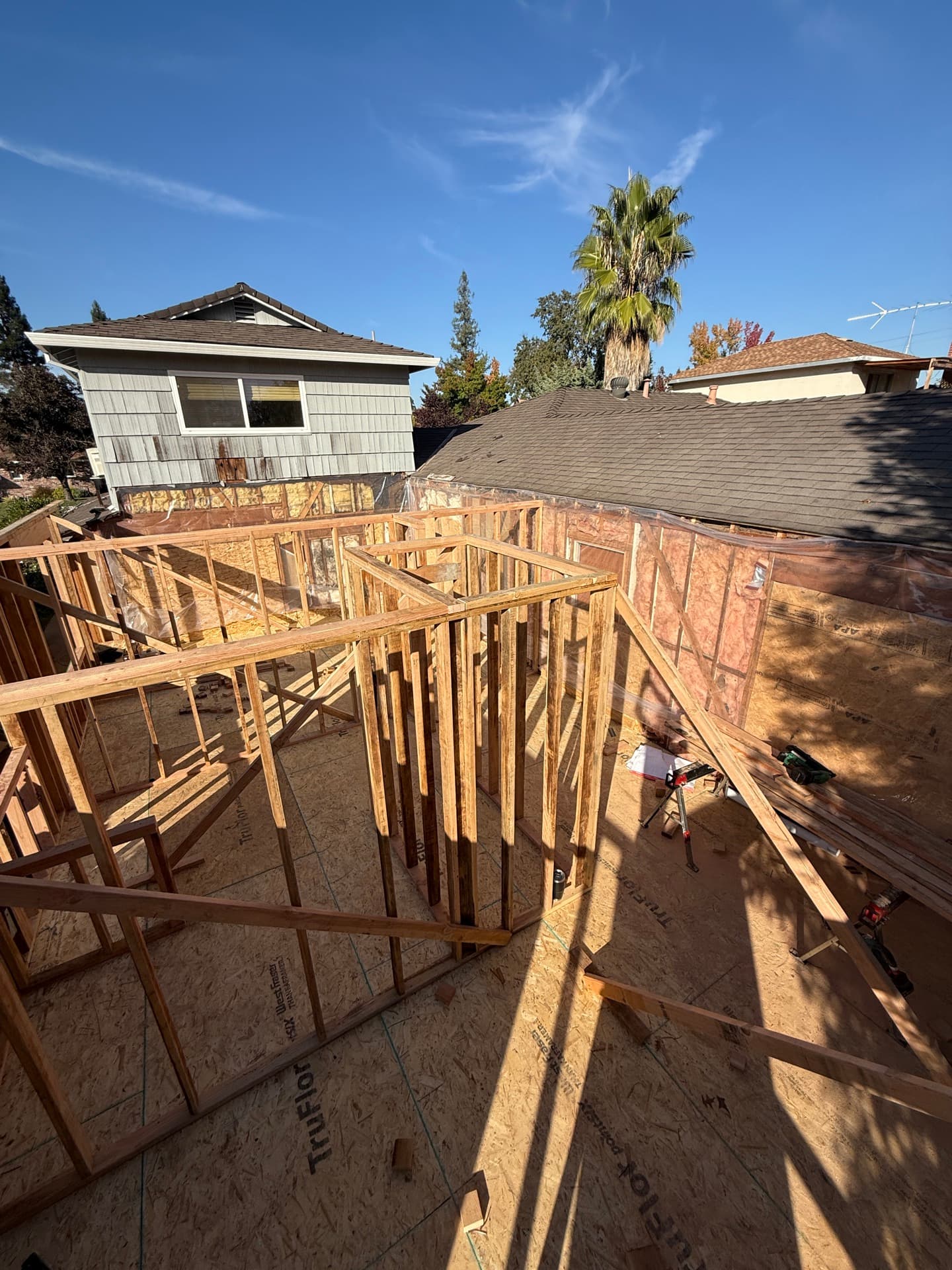
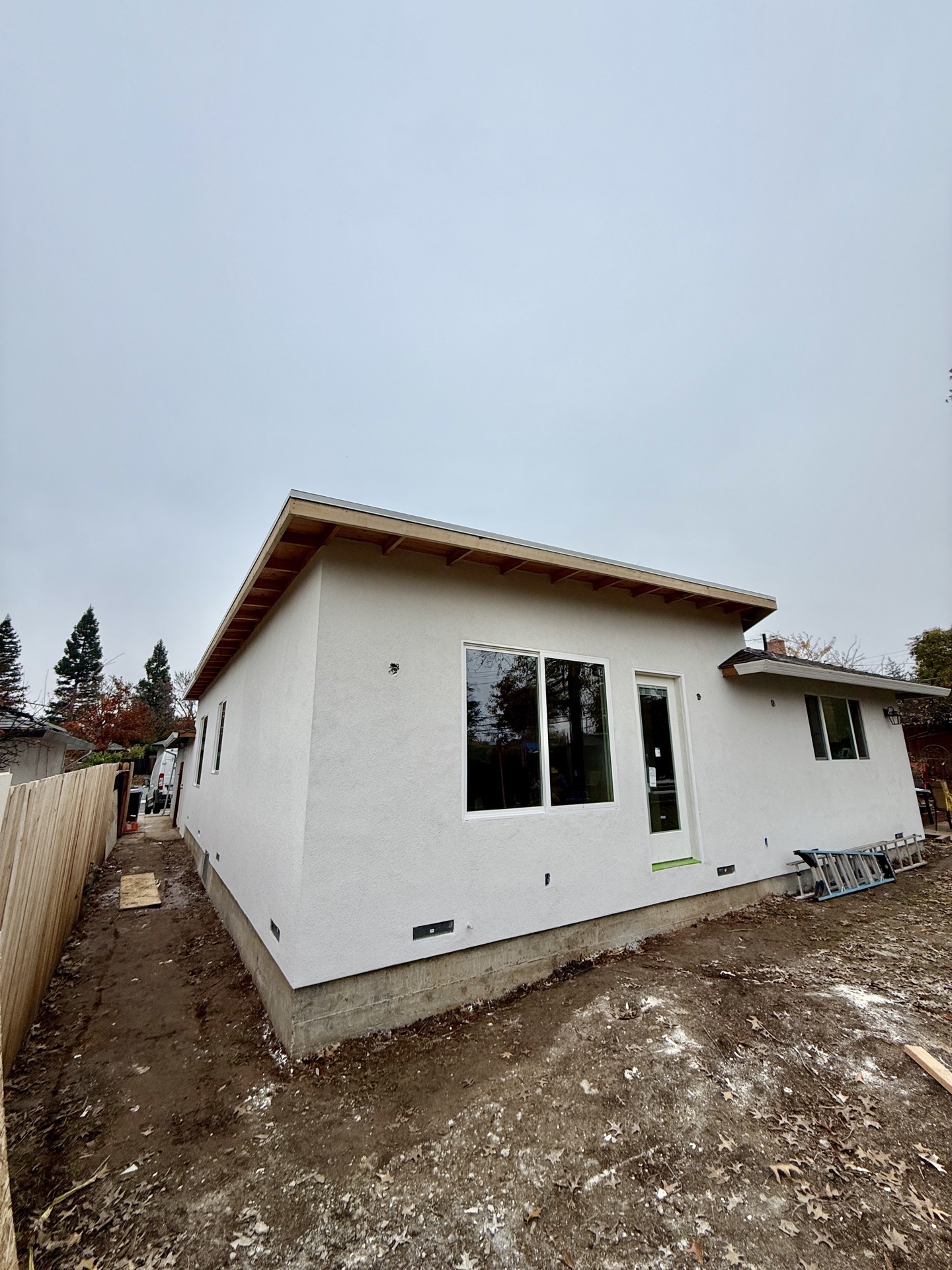
An attached unit lives or dies on how it meets the original house. The new roofline has to tie into the old one without carving a valley that dumps rainwater where it shouldn't go. The new foundation has to get along with whatever's already under your home — and on the Livermore flats that usually means expansive valley clay, the kind that swells and shrinks with the season and wants an engineered footing, not a hopeful guess. Then there's seismic. The Greenville and Las Positas faults run through or near town, so the structural tie-in between old and new gets engineered to move together when the ground shakes. Up on the South Livermore hillside ground it's rockier and you add grading. Then the look — fresh stucco against a 1980s elevation reads wrong if nobody's watching the match.
New roof framing tied cleanly into the existing roofline
Engineered foundation for Livermore valley clay or rocky hillside ground
Seismic tie-in detailed for the Greenville and Las Positas faults
Utilities and the size line
Shared meters and where the cost shifts
The money advantage of attached is shared utilities. Power off your existing PG&E service, water off your existing Zone 7 line, sewer into the lateral that's already there. That beats trenching new runs across a high-value Livermore lot. Two cautions. If you're in one of the newer North Livermore subdivisions with an HOA, the design review governs anything you touch on the exterior — it's lighter than the gated Pleasanton estates, but it's real, so we factor it in early. And there's a size threshold: push the unit past 750 square feet and the city or water provider can require a separate water meter, which is real cost and an extra permitting step. Sometimes holding at 700 to stay under it is smart. Sometimes the extra room earns the meter. I'll show you both numbers before you pick.
Power, water, and sewer shared off the existing house service
Newer North Livermore subdivisions can add a light HOA design review
Past 750 sq ft a separate Zone 7 water meter can be required
Build Smart. Invest Wise.
Build Your ADU. Your Investment, Your Future.
From design to move-in, we handle everything. Transparent pricing, on-time delivery, and uncompromising quality.
Custom Designs
Tailored to you
Built to Last
Premium materials
Fast Turnaround
On-time delivery
Full-Service
From start to finish
30+
Years of Experience
120+
ADU Projects Completed
100+
Happy Homeowners
Built for Value. Designed for Life.
Trusted by homeowners across Sacramento & surrounding areas.
ADU Estimator
Know Your Numbers Before You Commit
Get an instant estimate of construction cost, rental income, ROI, and timeline. No email required to see your number.
“Every ADU we build is designed to add long-term value and open new possibilities for your property. Let's build something great together.”
— Tim, ADU Specialist
Custom Designs
Built to fit your property & needs
Turnkey Process
We handle permits, plans & everything
Built to Last
Quality craftsmanship that stands the test
Financing Made Simple
$0 Down Options. Build Now, Pay Over Time.
You shouldn't have to drain your savings to build wealth. We partner with trusted ADU lenders to find financing that fits — many homeowners build with little to nothing out of pocket.
Home Equity (HELOC)
Tap your existing equity at competitive rates — the most popular way to fund an ADU.
Renovation Loans
Finance the build against your home's projected after-completion value.
ADU-Specific Financing
Specialized lenders who underwrite based on the rental income your ADU will produce.
Cash-Out Refinance
Roll the project into a new mortgage and keep one simple monthly payment.
Estimate Your Monthly Payment
See what financing your ADU could look like — and how rental income can help cover it.
$180,000Loan amount
Credit Score
Very good · 700–739
Estimated Monthly Payment
$1,320/mo
At 7.99% APR over 30 years (illustrative)
Often offset by $2,000–$3,500/mo in rental income
No prepayment penalties with most partners
Pre-qualification with no impact to your credit
Illustrative only — not a loan offer. Actual rates and terms are set by third-party lenders based on your qualifications.
Service areas
Where we build
Headquartered in the Greater Sacramento Area and serving homeowners from the Sierra foothills down through the Bay Area. Don't see your city? We probably still get there — just ask.
The most common things Sacramento homeowners ask before starting an ADU project.
Straight answer: most of our work sits around Sacramento, and Livermore is about 75 miles southwest of our home base — roughly 75 to 80 minutes on a clear run, and longer when Bay traffic on the 580 backs up at the Altamont. So I won't pretend the drive is nothing. We extend into the Tri-Valley for homeowners who want our craftsmanship and our pricing instead of a Bay Area markup, and for projects big enough to justify the trip. An attached ADU usually clears that bar. If what you want is a contractor who lives two streets over and can swing by in ten minutes, I'll be honest — that's not us, and a good local outfit might serve a tiny job better. But plenty of Livermore owners decide the drive is worth it once our bid lands next to the Bay Area ones. We plan the schedule around the distance so it doesn't slow your build.
Everything goes through the City of Livermore's building and planning divisions. That's the office that reviews your plans, checks the fire-rated shared wall, signs off on the seismic engineering and the foundation, and does the inspections. Set expectations for slower and pricier than the inland Sacramento jurisdictions we usually work in — Bay Area permitting runs that way, and Tri-Valley fees are real money. If you're in one of the newer North Livermore subdivisions, an HOA design review may run alongside the city's process, though it's lighter than what you'd hit behind the gates in Pleasanton. We handle the submittal and the back-and-forth with the city, and we plan the timeline around Livermore's actual pace instead of promising a fast stamp we can't deliver. I'd rather you hear the real schedule from me up front than be surprised by it in month two.
Depends where in town you are. On the valley flats — Springtown, Las Positas, most of the older tracts — you're sitting on expansive valley clay. That soil swells when it's wet through the winter and shrinks back in the hot dry summers out here, and that seasonal movement is enough to crack a lazy foundation over a few seasons. So we don't pour a generic slab and cross our fingers. The footing gets engineered for that clay, and on an attached unit it also has to relate sensibly to whatever's already under your existing house. Head south toward the wine estates and the east edges and the ground turns rockier and hillier, which changes the design again — now it's grading and slope. It's a line item either way, but it's the one that keeps the new structure and the old one from pulling apart down the road.
Power is PG&E — same as most of Northern California. For an attached ADU the good news is you usually tap the existing PG&E service at the house rather than pulling a whole new one, which is a chunk of the cost savings over detached. We size the existing panel and service to confirm it can carry the second unit's load, and upgrade only what genuinely needs upgrading. Water and sewer in Livermore run through Zone 7 Water Agency and, in parts of town, California Water Service, so those are separate conversations from PG&E. The thing to watch is that size threshold — go big enough and the water provider can require a dedicated meter. We map all three utilities early so there are no surprise trenching costs or meter requirements showing up as a change order halfway through the job.
In this market it generally does, and it's mostly about who lives here. Lawrence Livermore National Lab and Sandia are the dominant employers in town — that's thousands of scientists and engineers on steady, well-paid contracts, plus the families and visiting researchers around them. That's a deep, reliable rental base for a clean second unit with a real kitchen and bath. Add the revitalized downtown along First Street and the wine-country draw and you've got steady demand. I won't quote you a rent number — the market sets that, not me — but Tri-Valley rents sit high enough that a well-built attached ADU throws off serious monthly income against the build cost. The owners who do this have run the math on a long hold, and the rent carries it. Attached tilts that math further your way because the savings come straight off an already-large Bay Area number.
I'll give you a real range instead of a dodge. This is Bay Area framing, so it's expensive — detached units out here commonly run $350K to $650K and up once you stack land value, fees, and seismic engineering. An attached ADU comes in under detached, usually meaningfully so, because you share one existing wall and tap existing utilities instead of building a full separate structure and trenching new lines. The kitchen and bath cost the same either way — those don't move. What comes down is the structure and the site work. Where you land inside that range depends on size, finishes, your soil, and whether you sit on a flat Springtown lot or a graded South Livermore hillside. I'd rather walk your specific lot and give you a real number than throw out a headline figure that falls apart on a change order.
It has to be a one-hour fire-rated separation assembly, not a standard interior wall. We build it with type-X gypsum, sound insulation, and tight detailing where it meets the roof and the floor so the rating holds end to end, not just in the middle. The fire rating is code. The sound rating is for everyone's sanity — two households living wall to wall, and neither wants to hear the other. This is the single most-cheated detail in attached ADU work, because it's hidden once the drywall's up and a cheap crew bets the inspector won't catch the gap at the top plate. They usually do. A red tag here means cutting back open finished work you already paid to close. We treat the wall as a genuine assembly so it passes the first time through instead of the third.
That's most of the craft on an attached unit, honestly. We match stucco texture, siding profile, trim, and roof pitch so the ADU reads as part of the original home, not a tumor bolted onto the side. A lot of Livermore housing is 1970s-through-2000s tract and semi-custom stock with real neighborhood character — Springtown, Las Positas, the older downtown-adjacent blocks — and the South Livermore wine estates have their own semi-rural look entirely. If you're in a newer North Livermore subdivision with an HOA, the design also has to satisfy their review on top of looking right. The goal stays simple: someone driving past your house shouldn't be able to tell where the original structure stops and the ADU begins. Get that wrong in a picky market and it dents resale; get it right and it just looks like the house always had it.
Serious, and not optional. The Greenville fault and the Las Positas fault run through or close to Livermore, with the Calaveras fault nearby, so seismic detailing is baked into the structural engineering from the start. An attached ADU is physically tied to your existing house, which means we don't just bolt the new one on — we engineer how both structures move together when the ground shakes, so they don't tear apart at the seam. Your plans go through a licensed structural engineer and the City of Livermore reviews them carefully. It adds cost and time over an inland Sacramento build, where the seismic picture is calmer, and I'd rather you hear that from me now than meet it for the first time on the structural invoice. It's simply the price of building safely in fault country.
Often yes, and it's a real edge over detached. Because the unit borrows your existing wall, it needs less independent footprint than a freestanding building that has to stand on its own four sides with its own setbacks all the way around. Livermore lots run larger than the inner Bay — and the South Livermore wine-estate parcels are genuinely big — so you've usually got room either way. But when a side yard is tight, attached is what fits cleanly where a standalone unit would pinch against the setback lines. We'll measure your specific lot against the City of Livermore setback rules and tell you plainly whether attached pencils on your ground before you spend a dollar on design. If detached is actually the better answer for your parcel, I'll tell you that too — no sense selling you the wrong unit.
Other services
Not quite the right fit?
Every Sacramento ADU project is different. Here are the other paths we build under one roof — and we're happy to talk through which one fits your lot best.
We treat every home like it's our own — quality work, clear communication, and happy homeowners.
PaulOwner · Future Generation
12 min read2,543 words8 sections
Building an Attached ADU in Livermore — A Straight-Talk Guide for Tri-Valley Owners
We build attached accessory dwelling units in Livermore — the kind that share one wall with your house and add a full second home with its own door, kitchen, and bath. Future Generation Construction is a design-build outfit based in Sacramento, license #1119373, and we drive the 75 miles into the Tri-Valley for projects worth the trip. This page is the honest version: what an attached ADU is, why the Livermore math differs so sharply from inland California, and the parts of the build — the shared wall, the clay, the faults — that crews get wrong.
01Section
Why attached makes sense in Livermore
Livermore sits at the east end of the Tri-Valley, in eastern Alameda County — California's oldest wine region, a revitalized historic downtown along First Street, and the two national labs anchoring the local economy. It's a desirable place to own, and that desirability shows up in land value. Lots here run larger than the inner Bay, which is good news for an ADU: you actually have room to work. But it's still Bay Area building. Permitting through the City of Livermore is slower and pricier than what we deal with around Sacramento, the ground wants seismic engineering because of the faults running through town, and the cost of a freestanding detached unit climbs higher than first-time owners expect.
An attached ADU sidesteps a chunk of that. You share a wall that already stands, so there's less structure to build. You tap utilities already at the house, so there's less trenching across the yard. Because Livermore parcels are generous — and the South Livermore wine estates are downright spacious — detached is genuinely buildable here, which means attached isn't a fallback for cramped lots so much as a deliberate way to spend less. On a tighter side yard in one of the flat Springtown or Las Positas tracts, the attached unit still fits cleanly where the setbacks would pinch a standalone building.