




Building a Detached ADU in El Dorado Hills — A Straight-Talk Guide for El Dorado County Foothill Owners
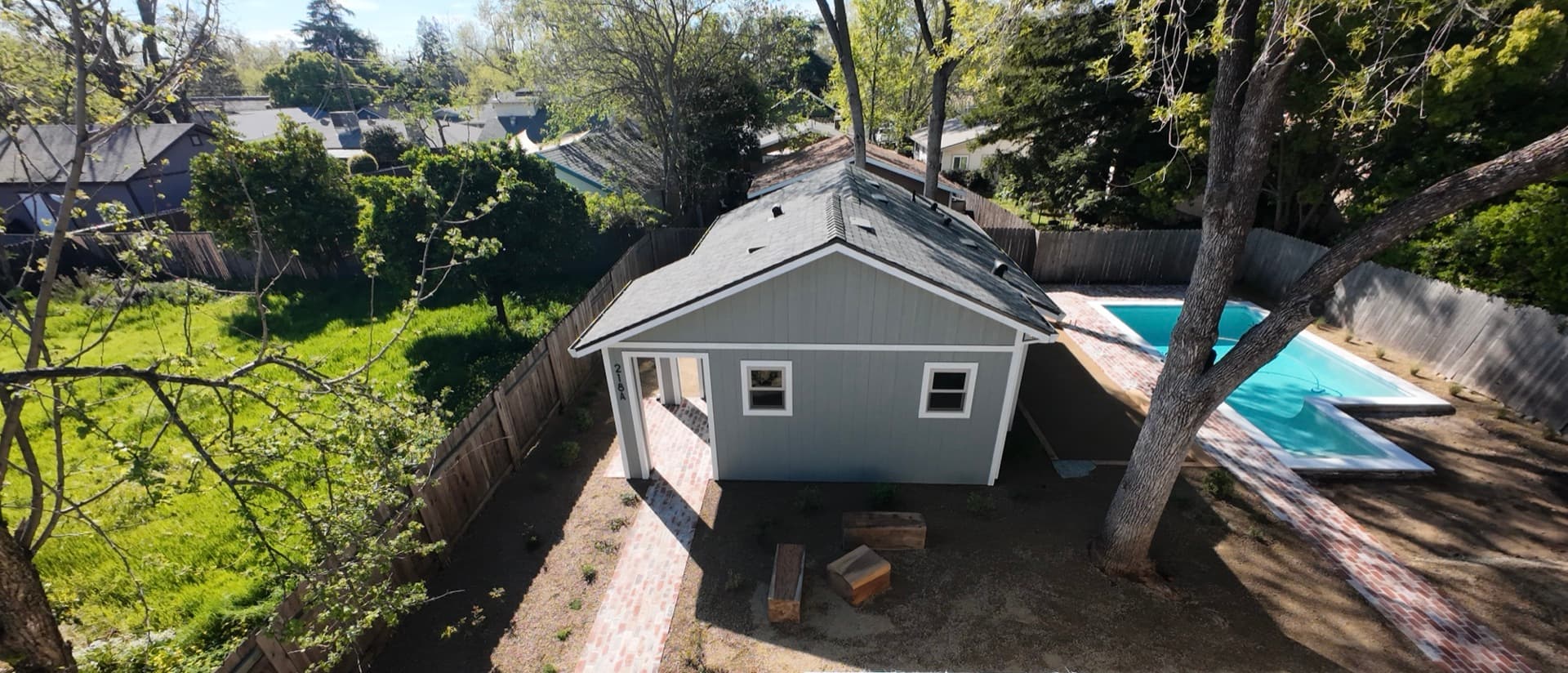
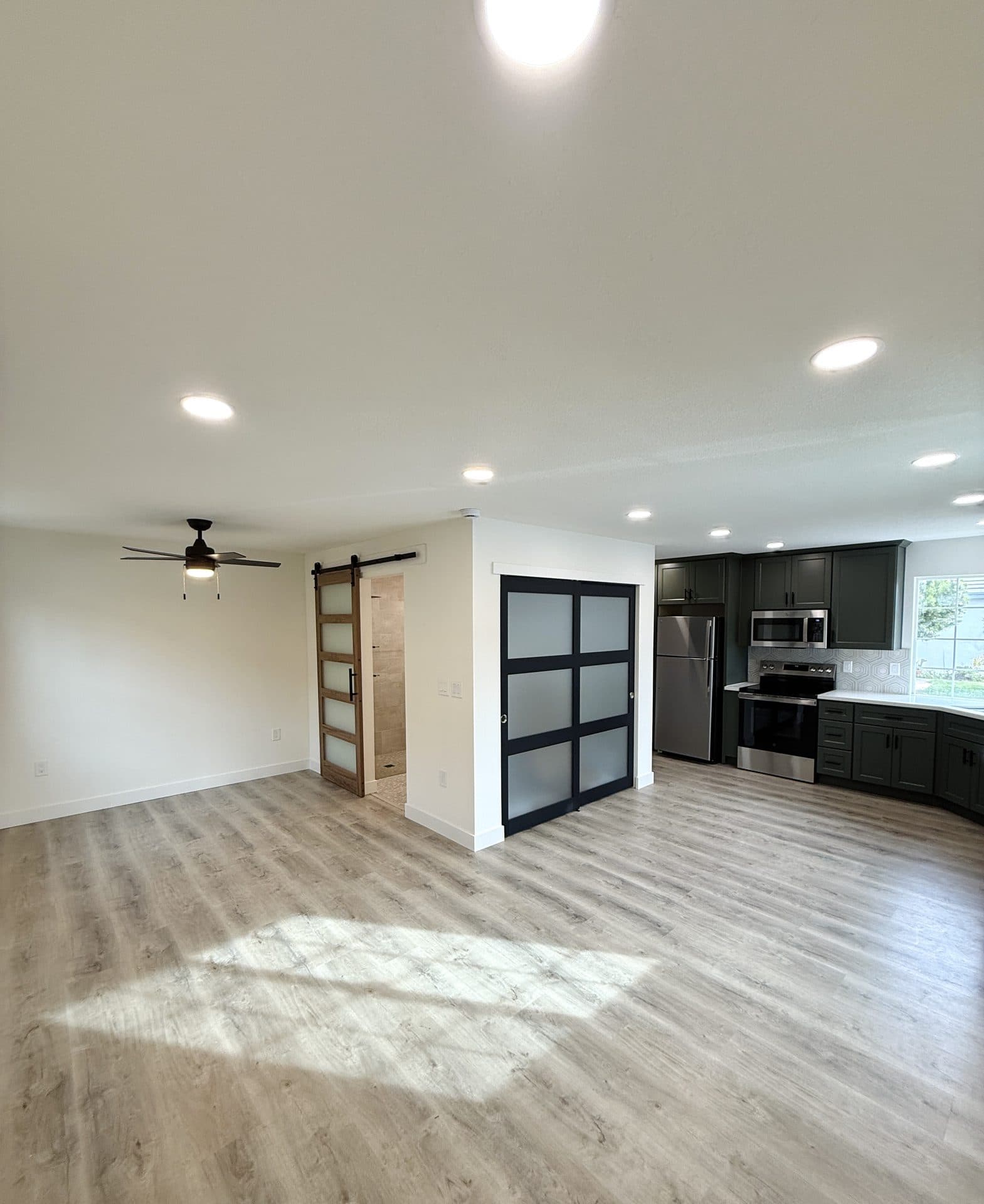
A detached ADU is the version most El Dorado Hills owners actually want: a freestanding unit with its own foundation, its own roof, and its own front door, set off the main house on a lot with the room — and the slope — for it. It's also the version with the most moving parts. This guide is about building one in El Dorado Hills specifically: the El Dorado County permit path and why it runs slower than Sacramento, the Title-24-before-the-pour gotcha, the PG&E wrinkle that catches Sacramento transplants, strict HOA design review in places like Serrano, the granite and slope under your dirt, and the real 2025-2026 numbers. We build these for a living, so most of what follows is what we'd tell a neighbor.
What "detached" actually means here
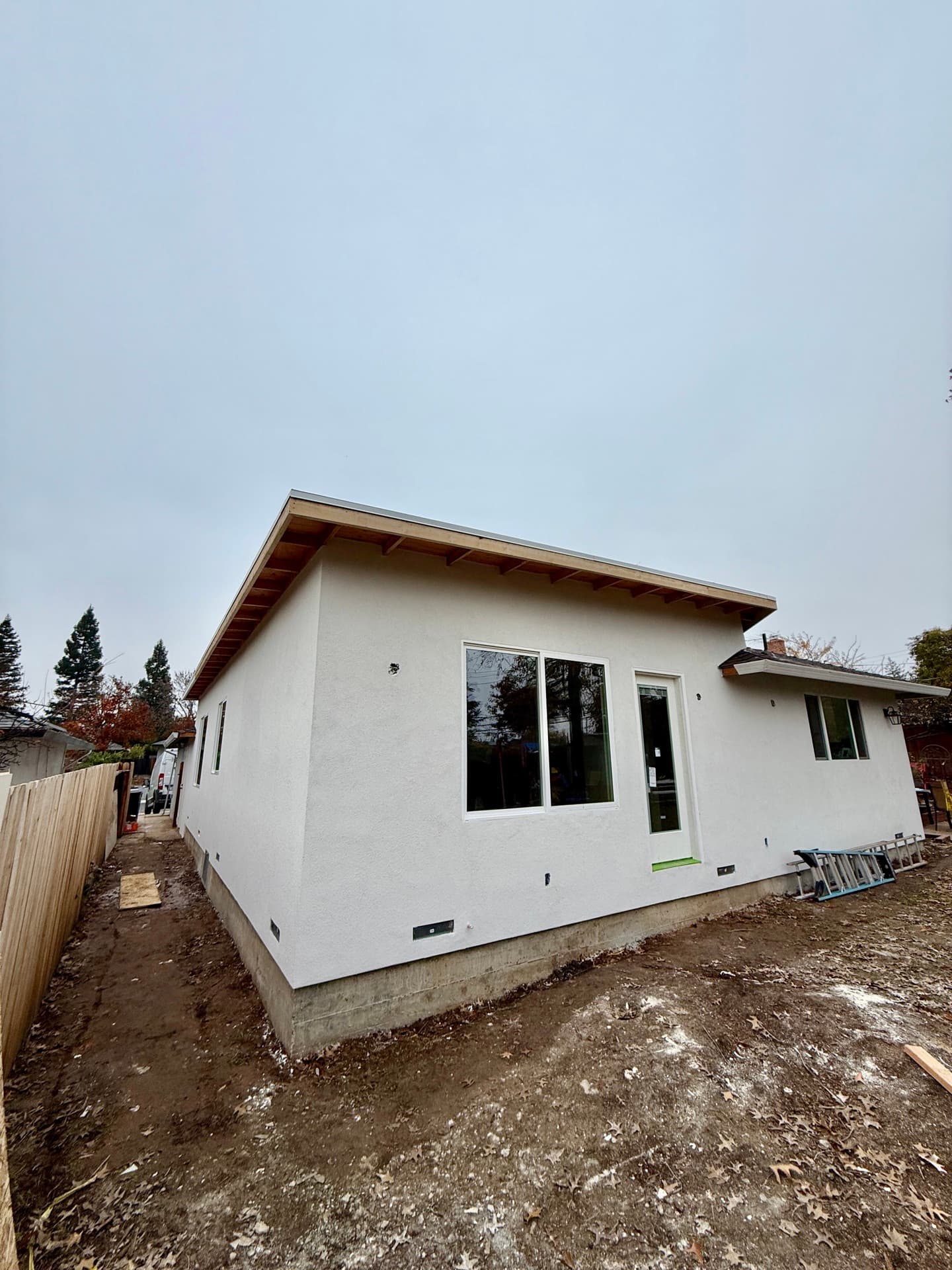
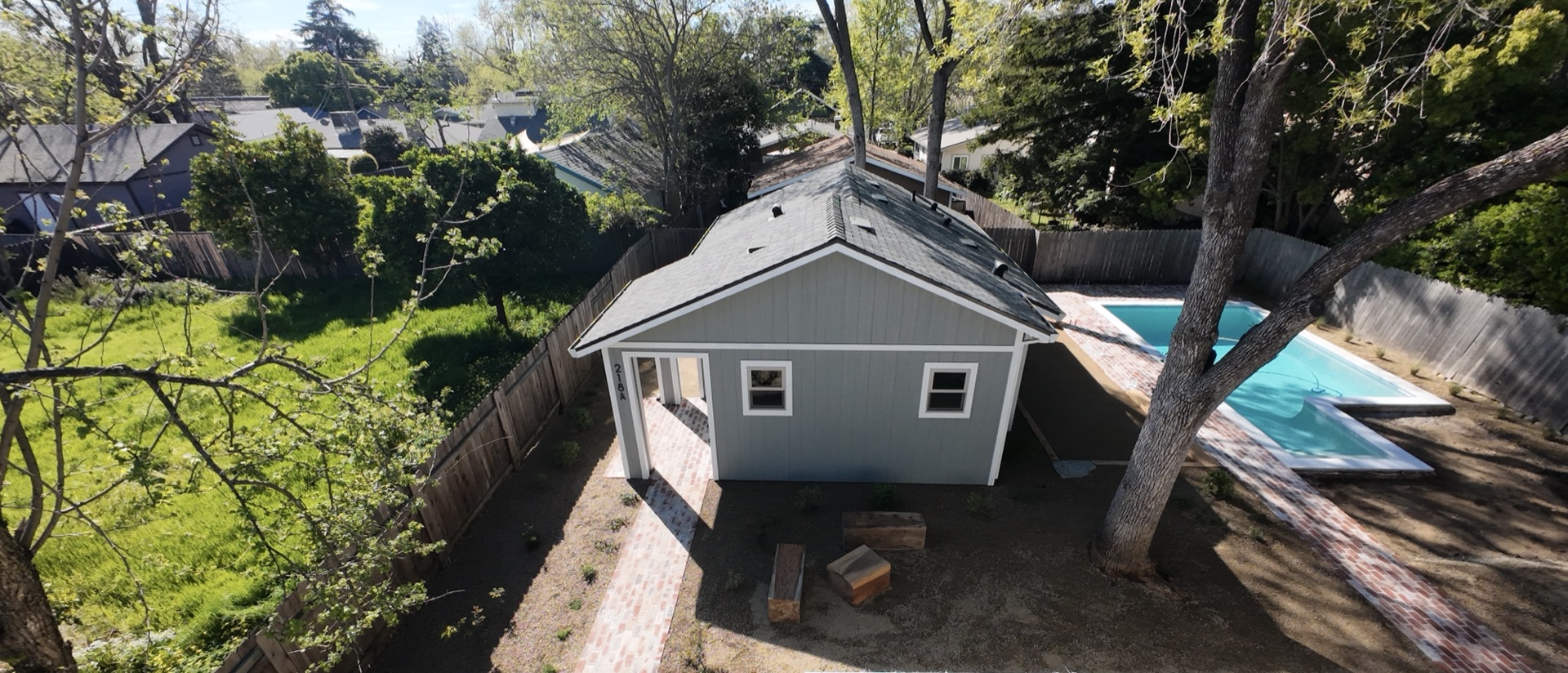
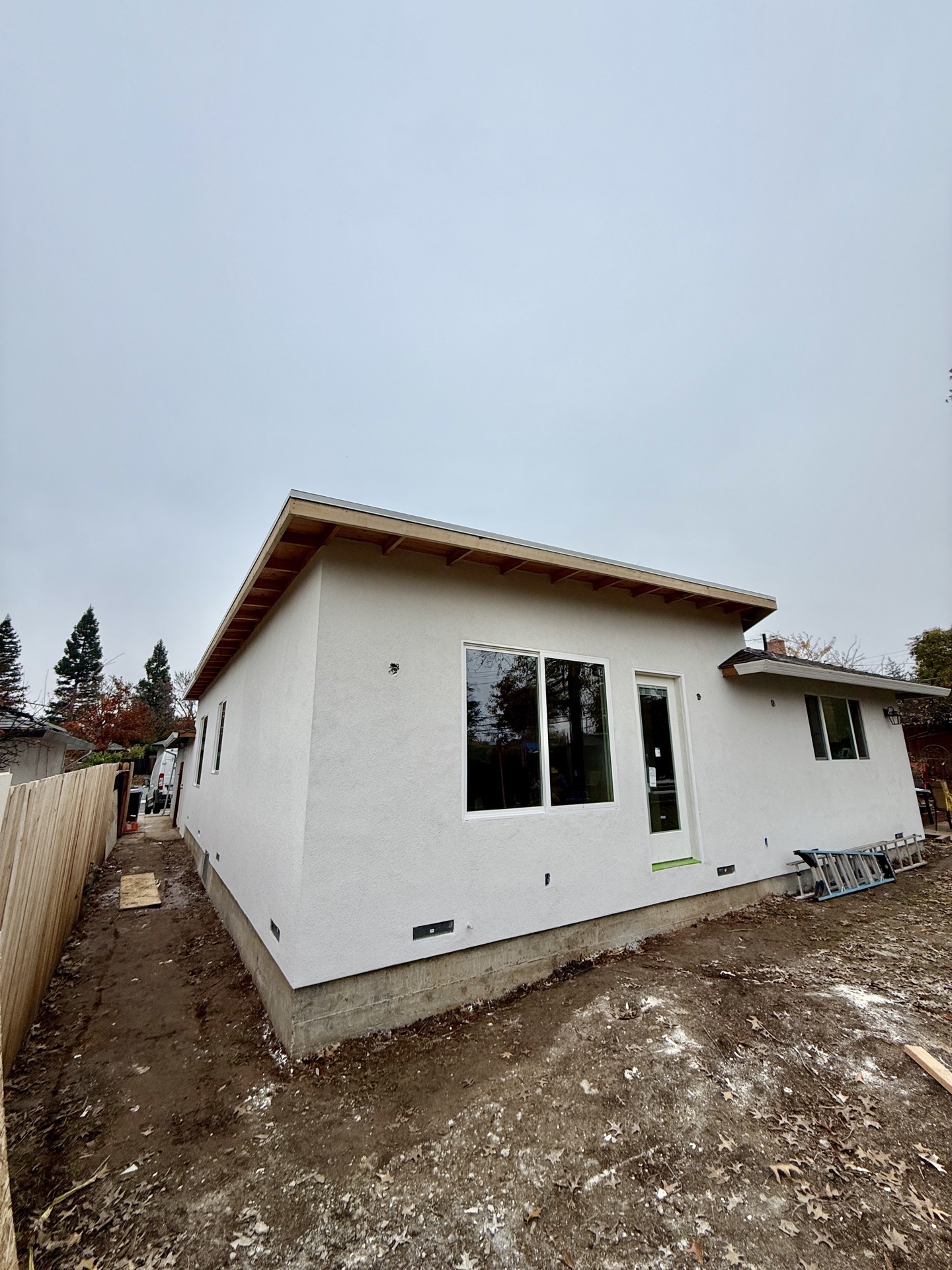
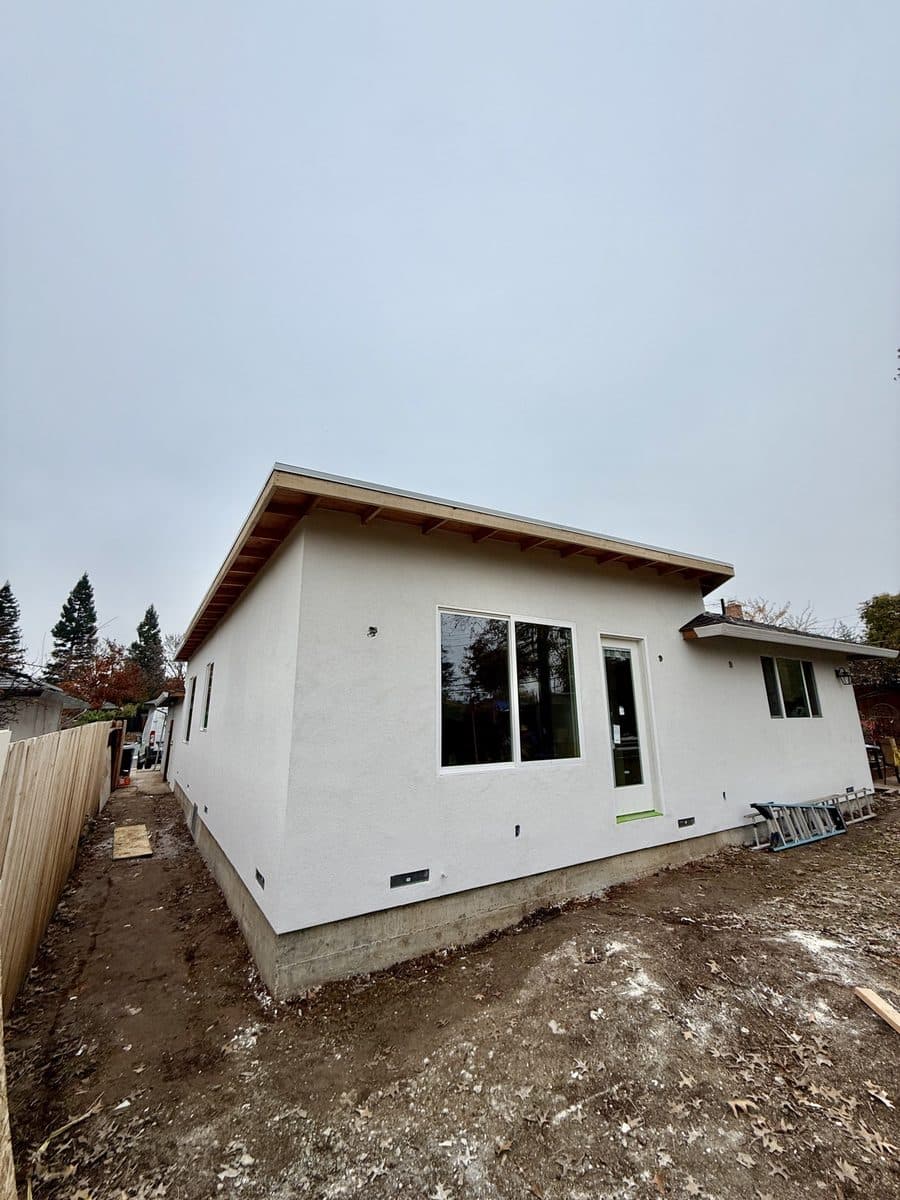
Detached means freestanding. The unit doesn't touch your house — its own slab or stem-wall foundation, its own roof structure, four of its own exterior walls. That's the line separating it from an attached ADU, which shares at least one wall with the main home, and from a conversion, which reuses an existing shell. All three are legitimate ADUs under California law. They build, cost, and live differently.
The appeal of detached, and the reason it fits El Dorado Hills, is independence. Because it stands alone, we place it where the lot wants it and orient it for light, for the oak woodland, for the downhill view — not locked to the geometry of your house. On rolling foothill terrain that flexibility is worth a lot: a unit can step down the slope, sit well off the main house, and read as a genuinely separate dwelling rather than a cottage shoved against the fence.