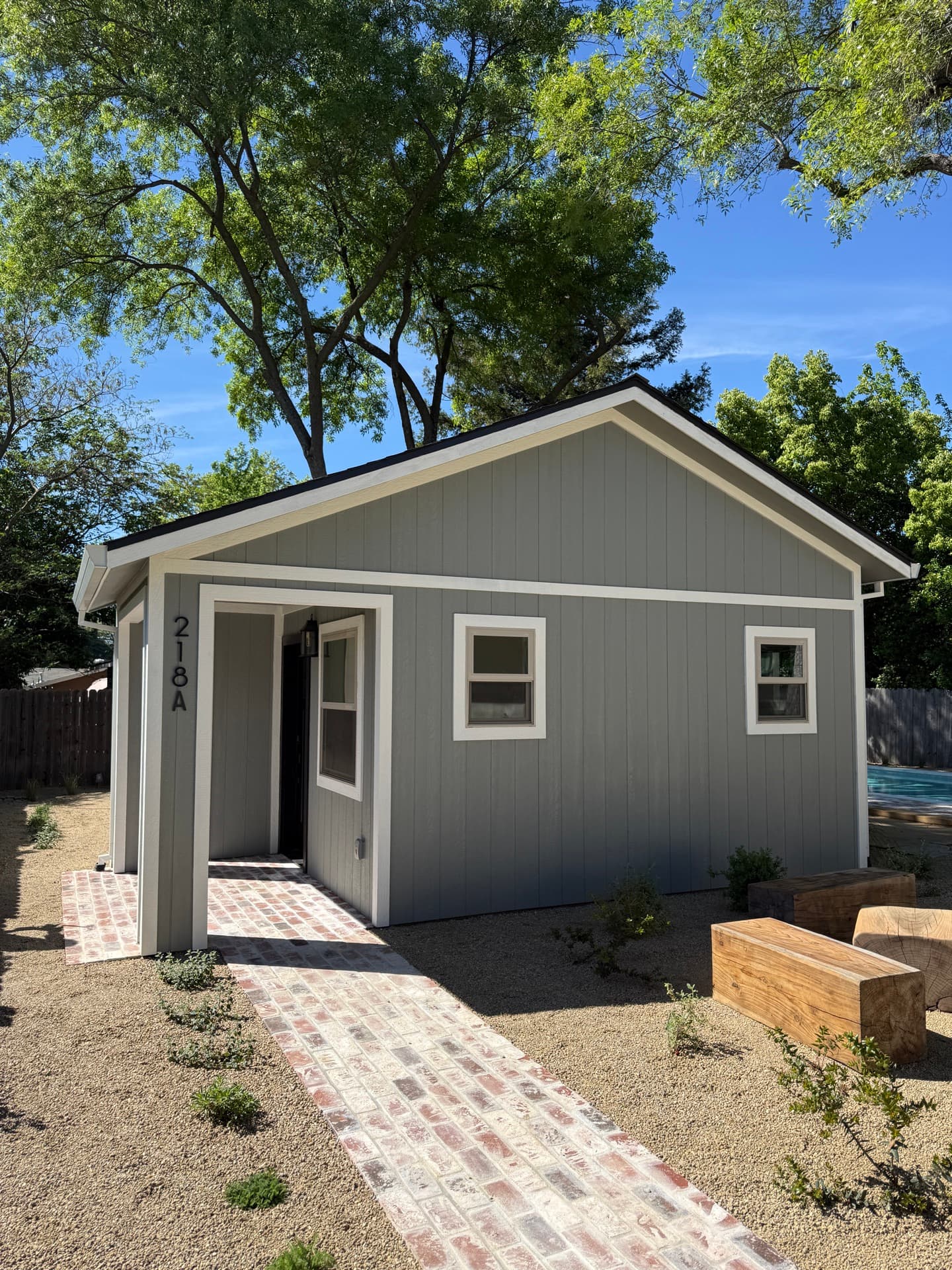


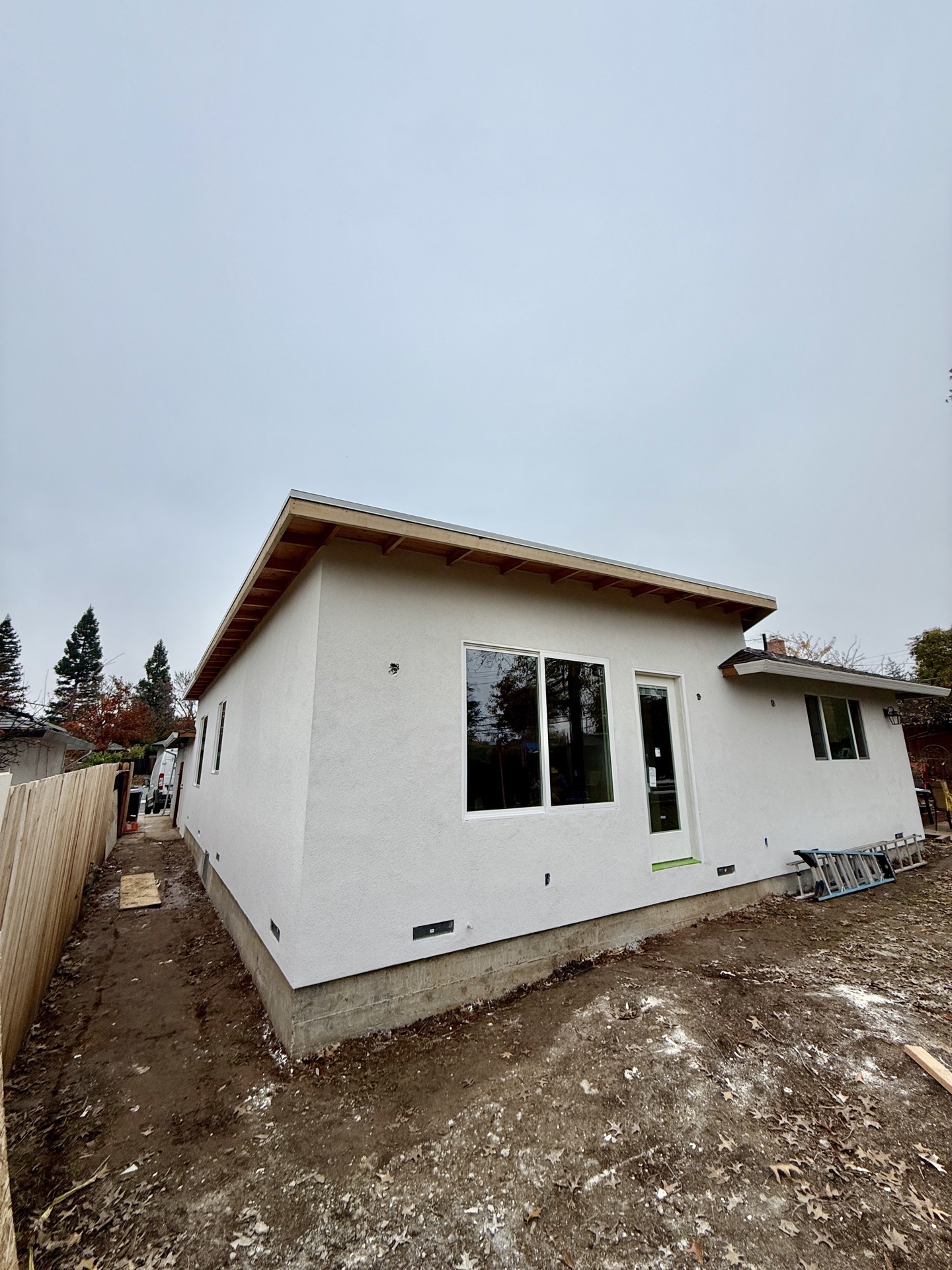
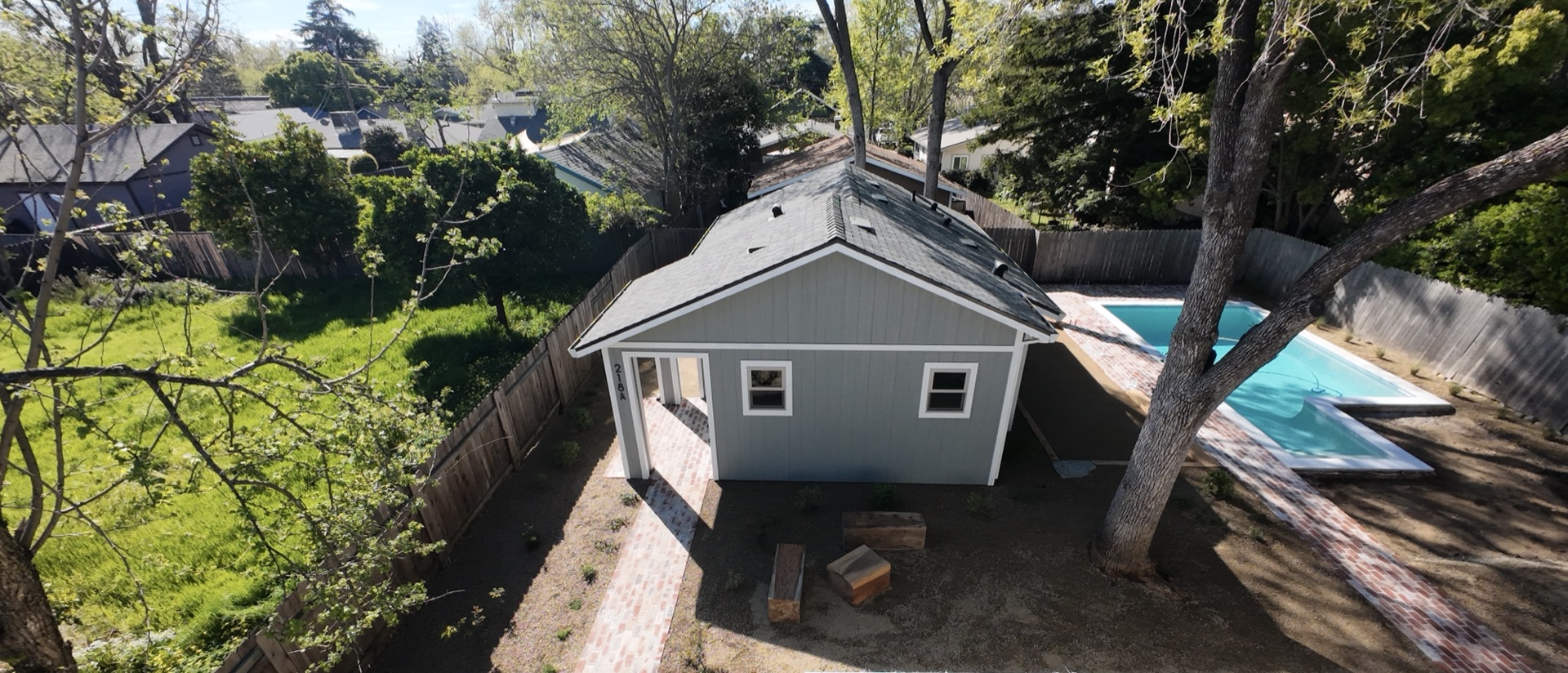
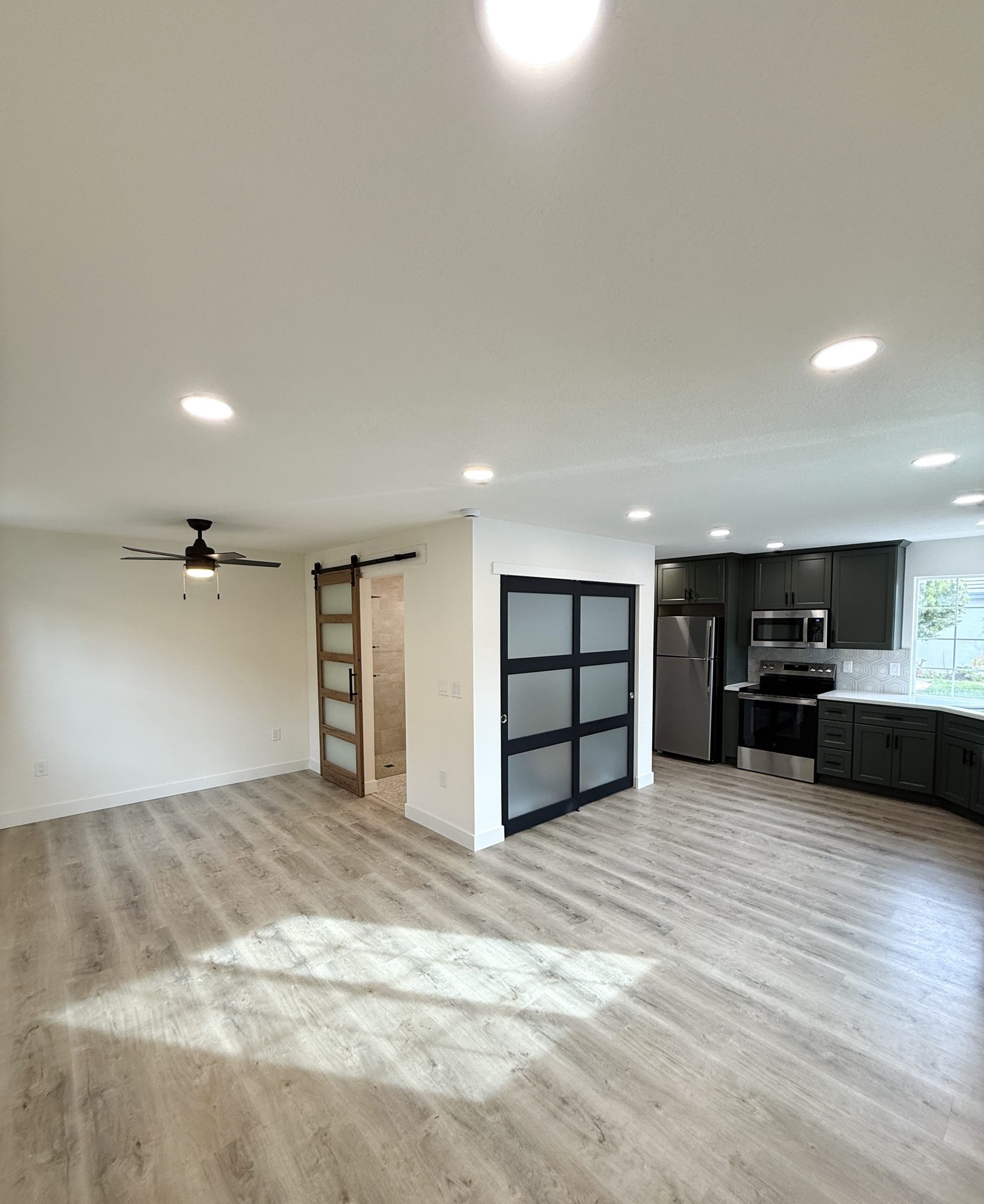



Attached ADU design and construction in Citrus Heights
An attached ADU shares one wall with your house and almost nothing else — its own entrance, its own kitchen, its own bath, a complete second home that happens to be joined to your first. We design and build them across Citrus Heights, about 15 minutes northeast of our Sacramento base. Most of this page is the stuff we wish every homeowner knew before the first call: how the shared wall works, what the City of Citrus Heights wants, why power runs through SMUD, and where the real money goes on these older ranch homes.
Attached or detached on a flat lot
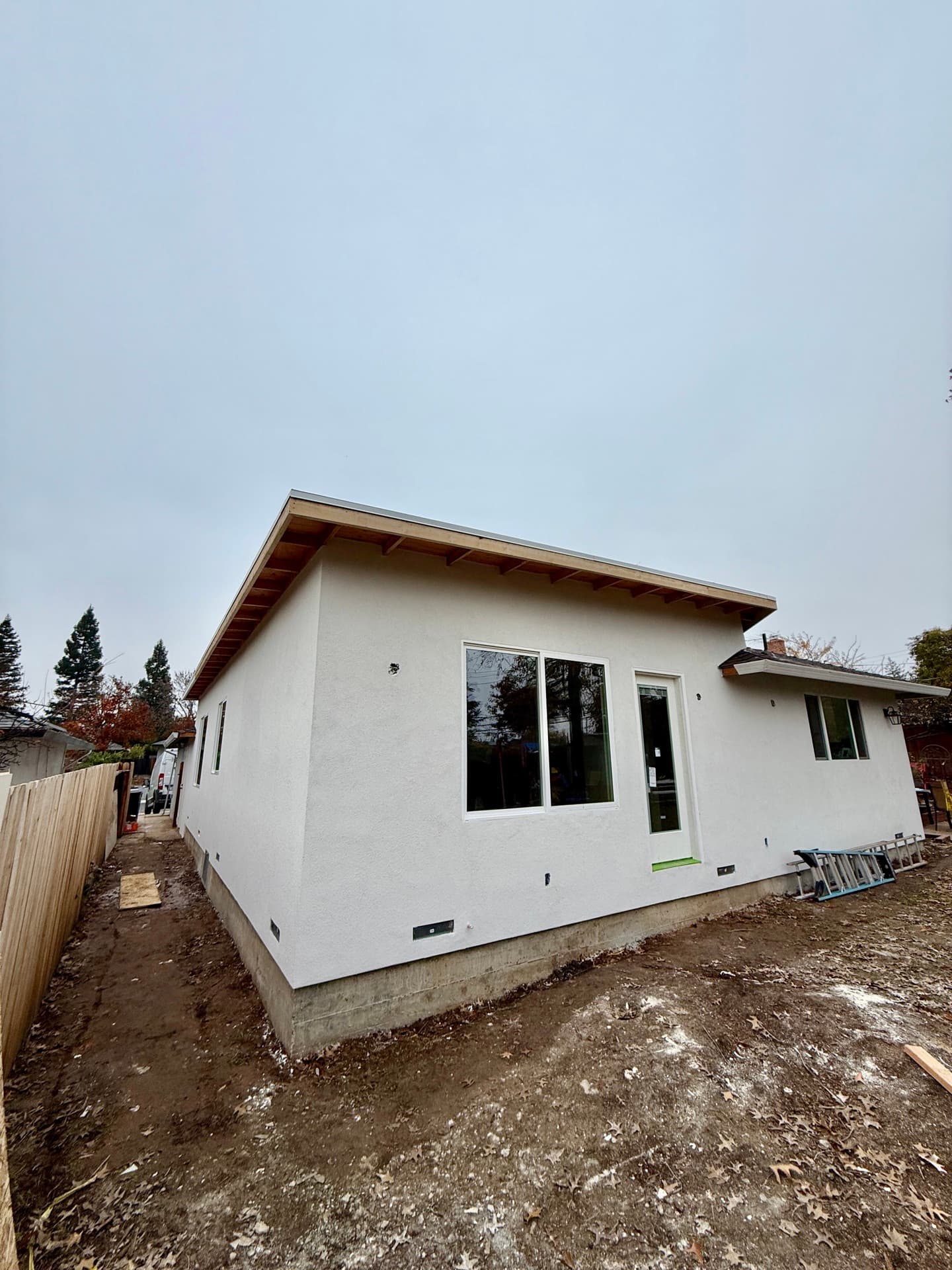
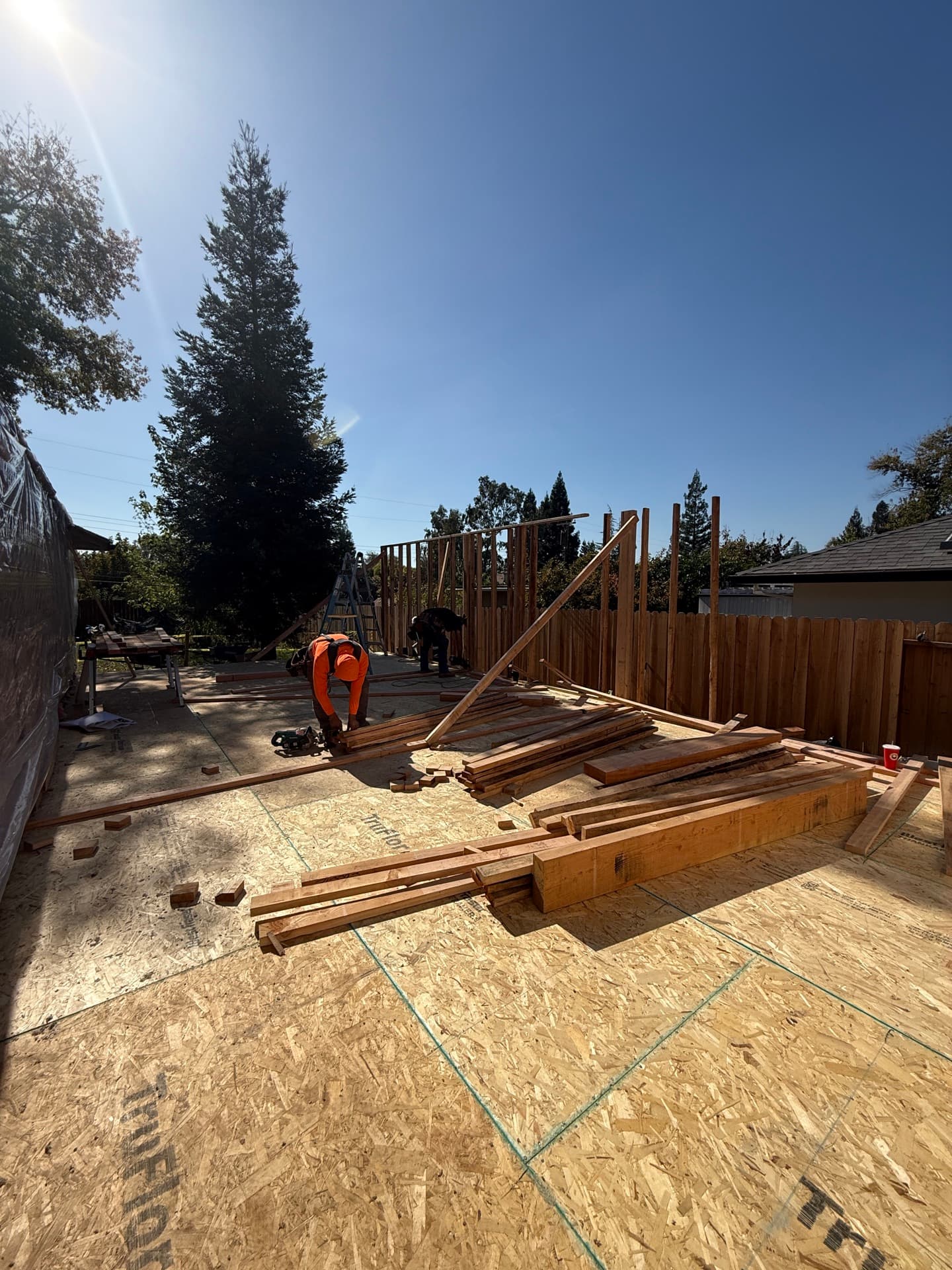
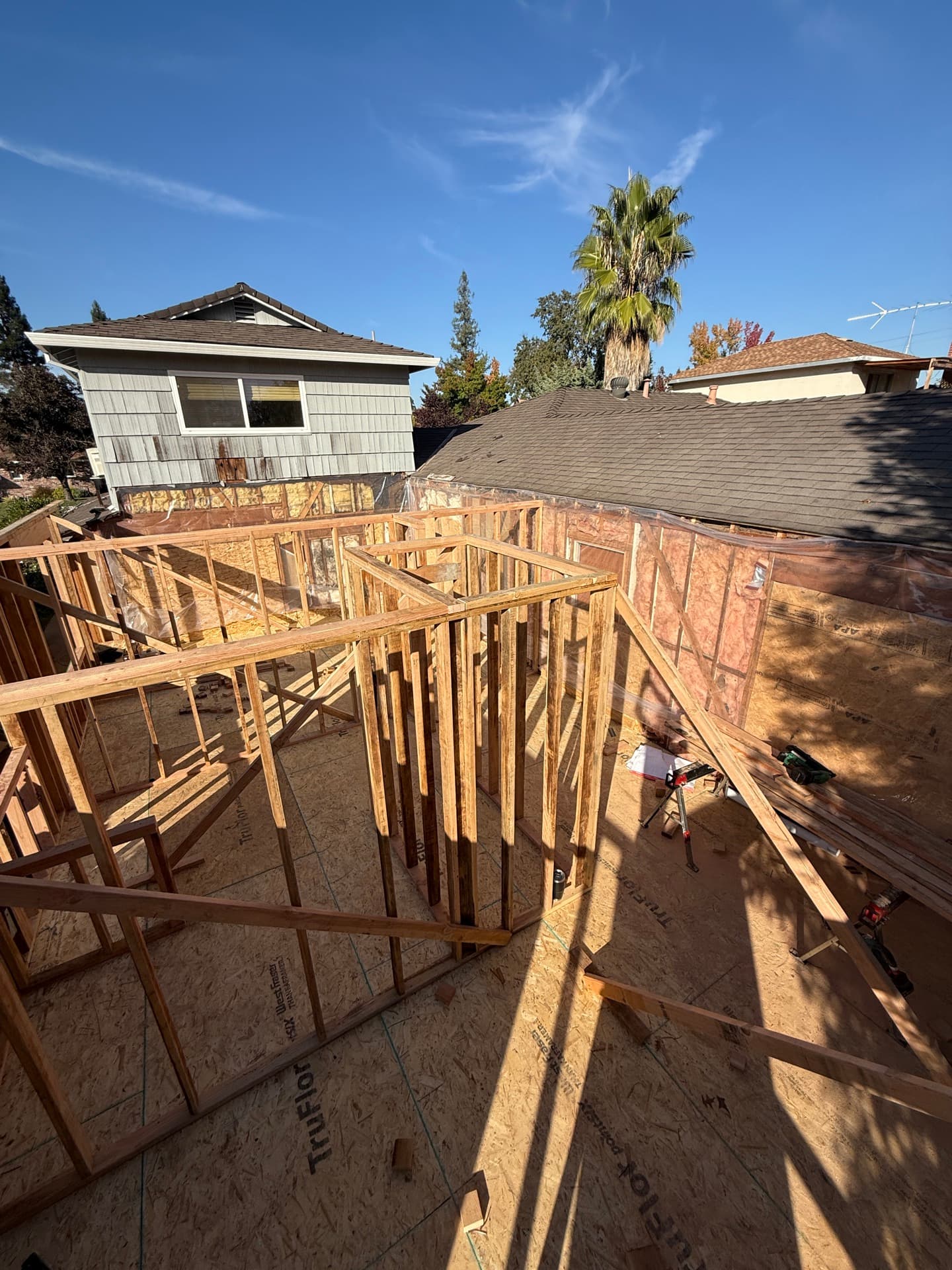
The first fork in any ADU conversation is attached versus detached, and on a Citrus Heights lot the answer usually comes down to geometry. An attached ADU grows off your house, sharing one wall. A detached unit stands alone in the backyard. People assume detached is the default, but plenty of parcels here — the modest tract lots around Stock Ranch and Mariposa, narrower ranch lots near the Sunrise corridor — don't have the clear space a freestanding cottage needs on every side to clear setbacks. Hang the unit off the house and you only clear the setback on the outer sides. That's frequently the difference between a project that pencils and one that doesn't.
There's a structural trade in both directions. Detached buys total independence: no shared wall, no tie-in to your roof, no question of whether your existing footing can carry a new load. You pay for that with a second foundation and a second roof. Attached borrows your wall, your roofline, and usually your utilities, which trims the budget — but it asks more of the house you already own. If the wall it joins is in rough shape, which is common on a 1960s ranch, some of that savings goes right back into making the connection sound.